Belgium’s Fiscal Clean-Up Still Has a Long Way to Go
Companies Mentioned

Why It Matters
The widening deficit threatens Belgium’s compliance with EU fiscal rules and could trigger a sovereign‑rating downgrade, raising borrowing costs for the government and private sector.
Key Takeaways
- •Net savings of 1.1% of GDP projected by 2028
- •Defence‑free savings could reach 1.6% of GDP
- •Deficit may climb to 6% of GDP by 2030
- •Primary balance expected around –2% of GDP in 2030
- •Rating agencies likely to reassess Belgium’s credit outlook
Pulse Analysis
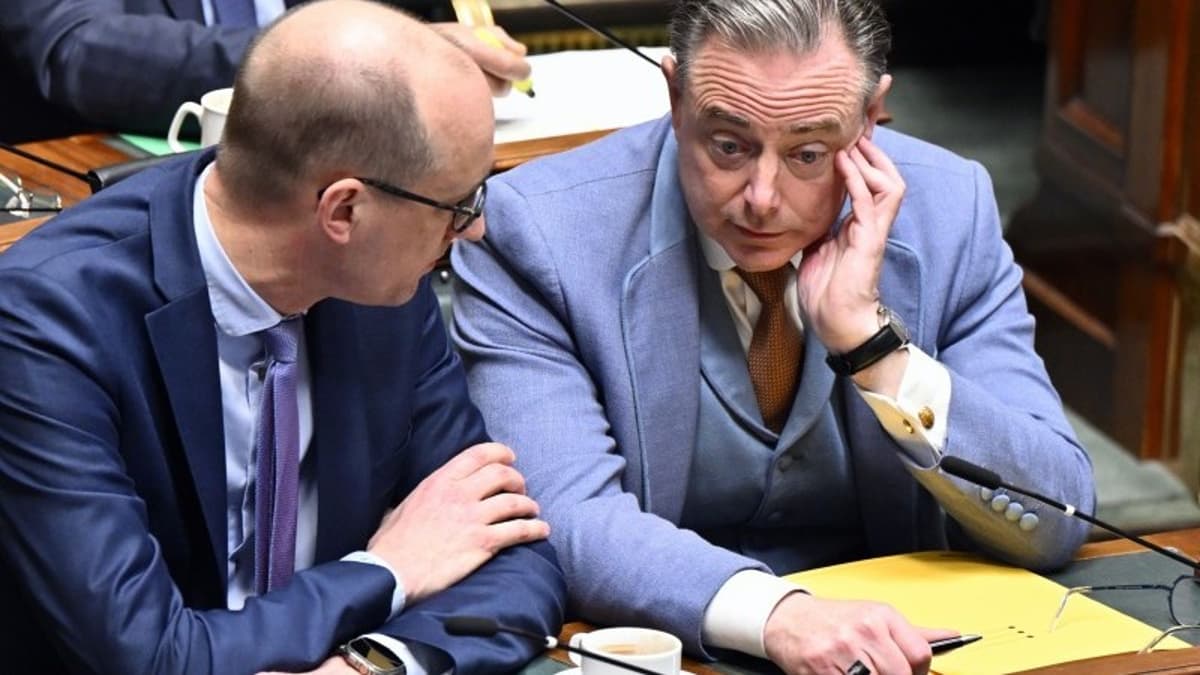
Belgium’s fiscal overhaul reflects a broader European push to tighten public finances after years of high deficits. Prime Minister Bart De Wever inherited a shortfall exceeding 5% of GDP, a level that strains both domestic confidence and EU fiscal surveillance. The government’s reform package targets the biggest pressure points—pensions, unemployment benefits and indirect taxes—aiming to curb spending while bolstering revenue. Early estimates from the National Bank of Belgium and the Federal Planning Bureau suggest the measures could shave roughly 1.1 percentage points off the deficit by 2028, with additional gains if defence outlays are excluded.
Even with those reforms, the outlook remains precarious. Projections under unchanged policy assumptions show the deficit slipping back toward 6% of GDP by 2030, well above the 3% threshold needed to stabilise the debt‑to‑GDP ratio. Slower growth forecasts—around 0.7% for 2024—combined with rising interest rates further erode the primary balance, which is slated to sit at –2% of GDP. The fiscal gap is compounded by social tensions and political frictions that limit the government’s ability to introduce further austerity measures without sparking unrest.
The stakes extend beyond Brussels. A downgrade from Moody’s or S&P would raise sovereign borrowing costs, pressuring Belgium’s already high public‑debt service burden and potentially spilling over into corporate financing conditions. Moreover, the country remains in an EU excessive‑deficit procedure, meaning persistent deficits could trigger sanctions or forced corrective actions. Investors and policymakers alike are watching closely to see whether additional reforms—perhaps targeting earned‑income taxes or further pension adjustments—can keep the deficit below the 5% ceiling and preserve Belgium’s credit standing.
Belgium’s fiscal clean-up still has a long way to go
Comments
Want to join the conversation?
Loading comments...