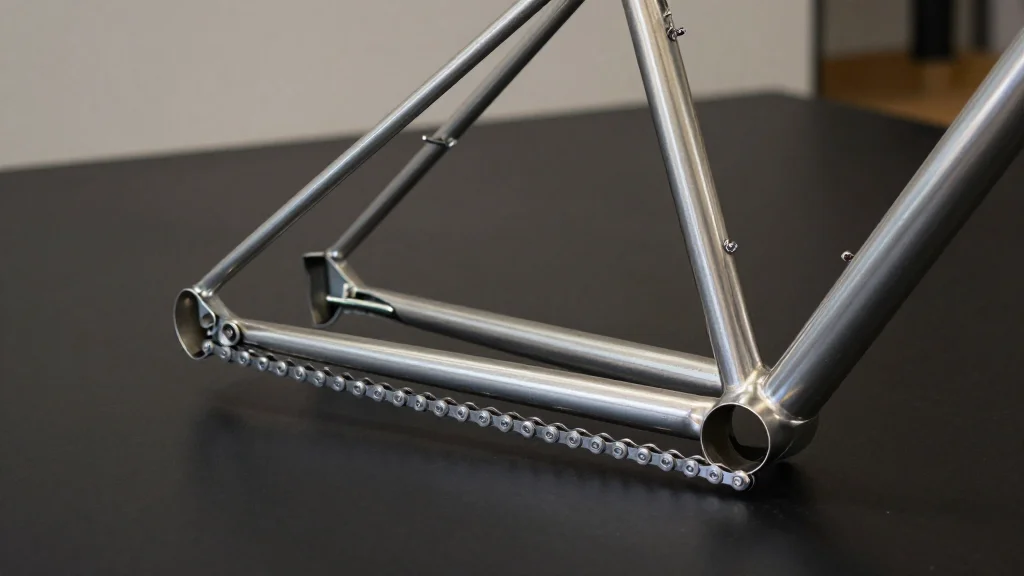
Bid to Add Bicycles to Steel and Aluminum Tariffs Is Denied
Why It Matters
The decision preserves price stability for consumers and protects the competitive balance between domestic and foreign bike manufacturers, limiting further trade protectionism in the cycling sector.
Key Takeaways
- •50% metal tariff proposal rejected by US government
- •Guardian Bikes and aluminum council initiated tariff request
- •E‑bike and parts removed from existing steel tariffs
- •PeopleforBikes led industry opposition to new duties
- •US bike market remains open to foreign manufacturers
Pulse Analysis
The United States' recent refusal to broaden the 50% steel and aluminum tariff to bicycles reflects a cautious approach to trade policy in a sector already feeling the pressure of global supply chain disruptions. While the administration announced a revised tariff schedule, it deliberately omitted bicycles, signaling that policymakers are weighing the broader economic impact of higher consumer prices against protectionist ambitions. This move also underscores the influence of industry advocacy groups, such as PeopleforBikes, which mobilized stakeholders to highlight the potential damage to retail margins and rider adoption rates.
For manufacturers, the outcome maintains a level playing field between domestic producers and overseas competitors. Guardian Bikes, the sole domestic proponent of the tariff, argued that a metal‑content duty would level the playing field for U.S. makers facing lower-cost imports. However, the rejection preserves the current cost structure for imported frames, allowing brands to continue offering competitively priced models, especially in the fast‑growing e‑bike segment. Retailers can avoid abrupt price spikes, and consumers benefit from a broader selection without sudden cost increases.
Looking ahead, the decision may set a precedent for how the U.S. handles sector‑specific tariffs amid broader trade negotiations. While the administration remains open to adjusting duties on other metal products, the cycling industry’s successful pushback suggests that future proposals will likely encounter rigorous scrutiny from both advocacy groups and market analysts. Companies should monitor policy developments closely, diversify supply chains, and consider strategic pricing to mitigate any potential shifts in tariff regimes.
Bid to add bicycles to steel and aluminum tariffs is denied
Comments
Want to join the conversation?
Loading comments...