Big Risks Hover over Strait of Hormuz Blockade
Companies Mentioned
Why It Matters
The blockade threatens global oil supply routes, potentially raising fuel costs and amplifying market volatility for investors and consumers alike.
Key Takeaways
- •Blockade restricts cargoes to/from Iranian ports, humanitarian aid only
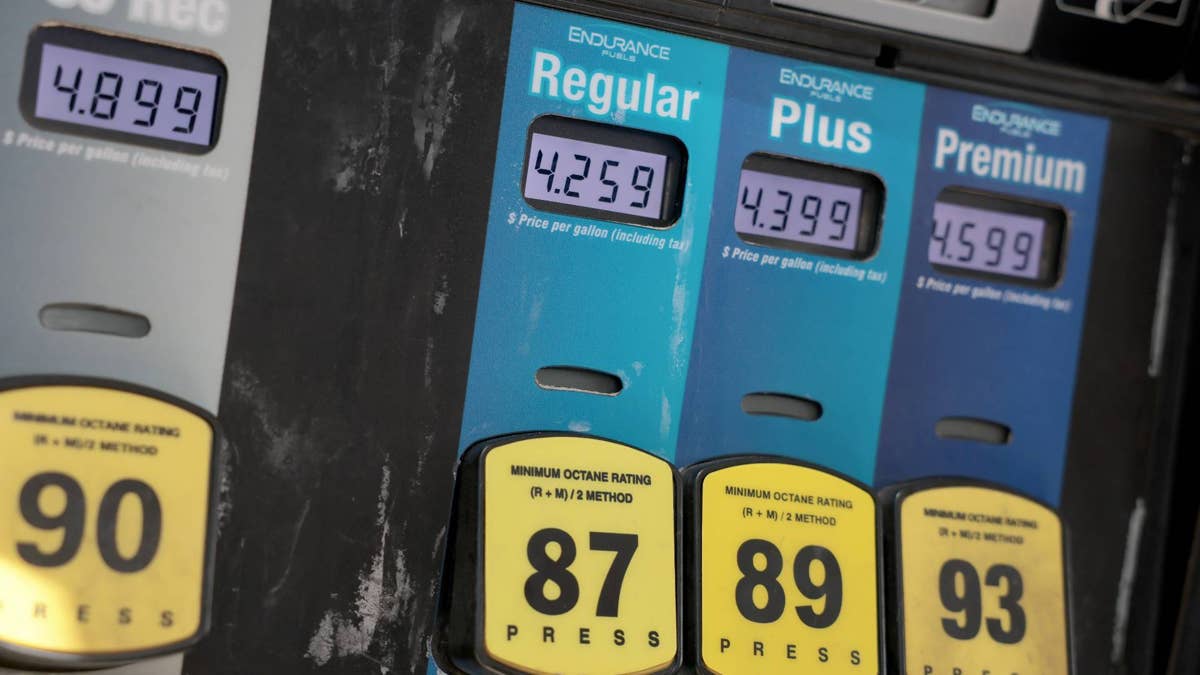
- •Crude fell to $96/bbl, shaving ~7¢ per gallon from U.S. gas prices
- •Iran's $2 million tanker tolls could shift payments to crypto or yuan
- •Potential Houthi action in Bab al‑Mandeb could jeopardize Saudi Red Sea exports
Pulse Analysis
The U.S. Navy’s enforcement of a comprehensive blockade across the Strait of Hormuz introduces a new layer of risk to an already volatile oil market. By halting all non‑humanitarian cargoes, the measure directly targets Iran’s ability to export crude to its primary Asian customers, especially China. Early price reactions saw West Texas Intermediate climb above $105 per barrel before easing to just under $100, a movement that translated into a marginal 7‑cent per‑gallon dip for U.S. drivers. While the immediate impact on consumer fuel costs appears limited, the underlying supply constraints could quickly reverberate through global benchmarks if the blockade persists.
Beyond the immediate price swing, the blockade reshapes the economics of oil transportation. Iran’s reported $2 million tolls for tanker passage—payable in cryptocurrency or Chinese yuan—highlight a shift toward alternative payment mechanisms amid sanctions. Such fees, coupled with the risk of vessel inspections and crew detentions, raise operational costs for shippers and may incentivize rerouting through longer, less efficient pathways. For refiners and traders, these added layers of uncertainty reinforce the need for flexible sourcing strategies and heightened hedging activity to protect margins against sudden spikes.
The geopolitical ripple effects extend further south, where Iran could leverage its Houthi allies to threaten the Bab al‑Mandeb Strait, a critical chokepoint for Saudi oil exports. A closure there would compound supply disruptions, potentially driving up global oil prices and straining the resilience of energy‑dependent economies. Investors are therefore watching the evolving diplomatic dialogue closely; any de‑escalation could stabilize markets, while prolonged tension may cement higher price floors for crude and gasoline well into 2026. In this environment, energy stocks exhibit mixed reactions—technology shares rally on optimism, while majors like Exxon Mobil and Chevron see modest gains—reflecting the market’s cautious optimism amid geopolitical uncertainty.
Big risks hover over Strait of Hormuz blockade
Comments
Want to join the conversation?
Loading comments...