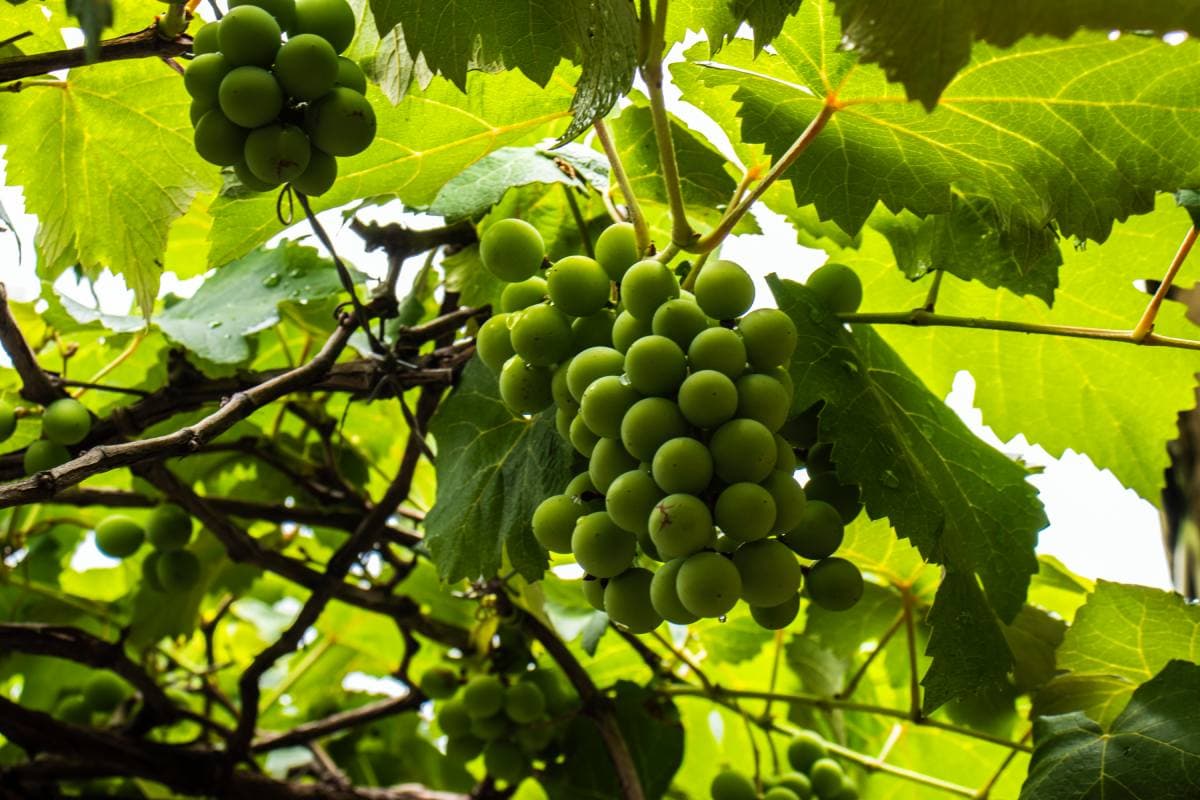
Brazilian Table Grapes Seal Zero-Tariff Deal with the EU
Why It Matters
Zero tariffs give Brazilian grape exporters a price advantage in Europe, boosting export volumes and encouraging investment in Brazil’s fruit sector. The broader EU‑Mercosur liberalisation could reshape global fruit supply chains and deepen South‑South trade ties.
Key Takeaways
- •EU-Mercosur deal grants zero tariffs on Brazilian table grapes
- •2025 grape exports hit 62,000 tons, $158.7M revenue
- •Pernambuco supplies 41.5% of Brazil’s grape exports
- •Tariff-free coverage will rise to 93% of Mercosur goods by 2035
Pulse Analysis
The provisional EU‑Mercosur agreement, now in effect for Brazilian table grapes, removes import duties that previously added 10‑15% to European prices. By granting immediate zero‑tariff access, the deal sharpens Brazil’s competitive edge against traditional Mediterranean growers and opens a direct pipeline to high‑margin markets in the Netherlands, the United Kingdom and Spain. Analysts expect the tariff elimination to translate into higher export volumes, better margins for growers, and increased foreign investment in Brazil’s horticultural infrastructure.
Regional production dynamics underpin the deal’s impact. Pernambuco, home to the São Francisco Valley, accounts for 41.5% of Brazil’s grape output, while Rio Grande do Sul contributes another 38%, creating a diversified supply base that can meet rising European demand. The logistics advantage of using Dutch and UK ports as redistribution hubs further streamlines the supply chain, reducing transit times and spoilage risk. As EU buyers gain reliable, cost‑competitive sources, long‑term contracts and joint‑venture opportunities are likely to expand, reinforcing Brazil’s position as a key fruit exporter.
Looking ahead, the tariff‑free framework will extend to avocados, lemons, limes, melons and watermelons over the next decade, with a full 93% of Mercosur exports slated for duty‑free status by 2035. This phased approach encourages Brazilian producers to upgrade quality standards and adopt sustainable practices to satisfy EU regulations. The upcoming Global Grape Convention in Santiago on August 12 will provide a platform for stakeholders to discuss market trends, traceability, and investment prospects, cementing the strategic importance of the EU‑Mercosur partnership for the global fruit trade.
Brazilian table grapes seal zero-tariff deal with the EU
Comments
Want to join the conversation?
Loading comments...