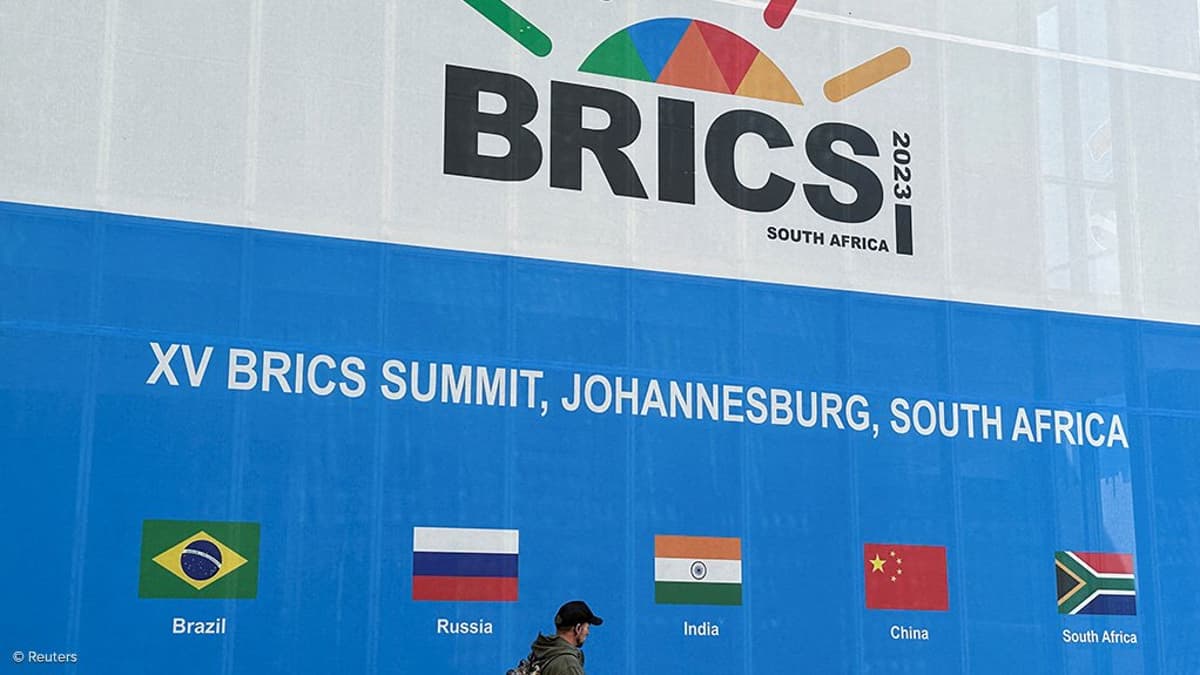
BRICS Plus Countries Increase Gold Reserves to More than 6 000 T
Why It Matters
The rapid accumulation of gold by BRICS Plus central banks signals a strategic hedge against dollar‑centric risks and could cement a higher floor for gold prices, reshaping reserve‑allocation dynamics worldwide.
Key Takeaways
- •BRICS Plus gold holdings exceed 6,000 tonnes, 17.4% global reserves.
- •Russia and China together hold about 74% of bloc’s gold.
- •Central banks bought over 50% of world gold 2020‑2024.
- •Dollar’s reserve share dropped to roughly 57% by 2025.
- •2026 central‑bank gold purchases forecast 750‑850t, 20% mine supply.
Pulse Analysis
The acceleration of gold purchases by BRICS Plus central banks reflects a broader geopolitical recalibration. After Western sanctions froze roughly US$300 billion of Russian foreign‑exchange reserves in 2022, sovereigns turned to physical gold, a non‑SWIFT‑exposed asset, to preserve liquidity. Russia and China, the bloc’s dominant players, have leveraged their substantial fiscal buffers to amass gold at a pace that now exceeds one‑thousand tonnes annually, dwarfing pre‑2022 levels. This trend underscores gold’s renewed role as a strategic reserve rather than merely an inflation hedge.
Simultaneously, the dollar’s reserve share has slipped to about 57%—its lowest point since the mid‑1990s—while holdings of euros, yen, and especially gold have risen. Central bankers, according to the World Gold Council, expect the dollar’s dominance to erode further, prompting many to boost gold allocations to 5% or more. The projected 750‑850 t of central‑bank purchases in 2026 will represent roughly one‑fifth of annual mine output, creating a structural floor that limits price corrections and reinforces gold’s appeal amid currency uncertainty.
Looking ahead, the next wave of reserve diversification may hinge on new entrants like Saudi Arabia and the United Arab Emirates formalizing larger gold positions, as well as China resuming transparent reporting of its holdings. Such moves could amplify sovereign demand, tighten supply, and encourage investors to reassess portfolio risk. For market participants, monitoring IMF COFER data releases and BRICS Plus policy signals will be essential to gauge the pace of this shift and its implications for both the gold market and the broader financial system.
BRICS Plus countries increase gold reserves to more than 6 000 t
Comments
Want to join the conversation?
Loading comments...