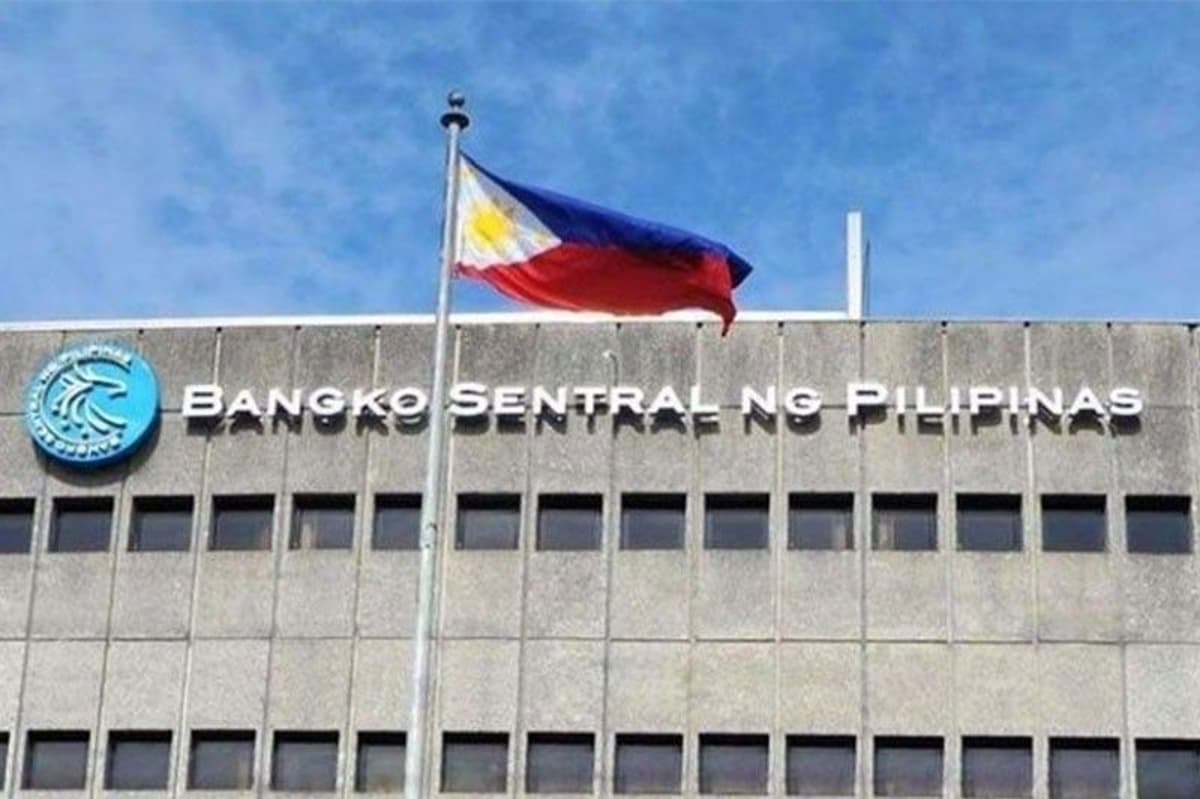
BSP Flags Faster Inflation in February
•February 28, 2026
0
Why It Matters
A faster‑than‑expected inflation pick‑up narrows the BSP’s policy space, influencing future rate decisions and affecting consumer purchasing power across the Philippines.
Key Takeaways
- •February inflation forecast 2.3‑3.1% versus 2% in January.
- •Rice ban lifts rice prices, influencing CPI heavily.
- •Global oil and commodity risks could push imports higher.
- •BSP may consider additional 25‑bp rate cut soon.
- •Full‑year 2026 inflation projected around 3.7%
Pulse Analysis
The Philippines’ inflation trajectory is entering a new phase as food and energy components reassert pressure on the consumer price index. Rice, which accounts for roughly nine percent of the CPI basket, has surged following a temporary import ban aimed at protecting domestic farmers. Coupled with higher domestic petroleum prices and rising electricity tariffs from Meralco, these factors outweigh the modest deflationary signals from vegetables, fruits, and meat, while a stronger peso offers a modest offset against imported inflation.
From a monetary‑policy perspective, the BSP’s recent 225‑basis‑point easing cycle, culminating in a 4.25% benchmark rate, reflects confidence that inflation remains within its 2‑4% target band. However, the projected February range of 2.3‑3.1% signals a tightening of that cushion. Analysts suggest a further 25‑basis‑point cut could be on the table if growth stays soft, global commodity price shocks subside, and the peso remains stable. Such a move would aim to sustain domestic demand, especially as the government ramps up infrastructure spending.
Looking ahead, the central bank must balance emerging supply‑side risks—namely volatile oil prices and geopolitical tensions affecting metal imports—with the need to keep inflation anchored near the 3% median. A full‑year 2026 inflation estimate of 3.7% indicates a modest uptick from the previous year’s 1.7%, but still within manageable limits. Investors and businesses will watch the BSP’s policy signals closely, as any shift could influence borrowing costs, real wages, and the broader outlook for the Philippine economy.
BSP flags faster inflation in February
0
Comments
Want to join the conversation?
Loading comments...