Cameroon Clamps Down on Shadow Fleet as Flag Purge Begins
Why It Matters
The crackdown reduces unsafe, ageing ships in global trade and curtails Russia’s sanctions‑evasion pathways, affecting freight rates and compliance costs for operators.
Key Takeaways
- •Flag fleet grew 126% in past year.
- •Cameroon now Africa's third‑largest ship registry.
- •Average vessel age under Cameroon flag: 32.7 years.
- •Government suspends new shadow‑fleet registrations.
- •Deregistration plan targets Russian‑linked ageing vessels.
Pulse Analysis
The rapid expansion of Cameroon’s flag registry reflects a broader trend of ship owners seeking low‑cost, permissive flags of convenience. By offering minimal regulatory oversight, registries like Cameroon have attracted vessels that struggle to meet stricter standards elsewhere, especially those linked to Russian interests seeking to sidestep sanctions. This influx has propelled the country to become Africa’s third‑largest ship‑flag holder, but it also brings a fleet of older, less efficient ships that can strain port infrastructure and insurance markets.
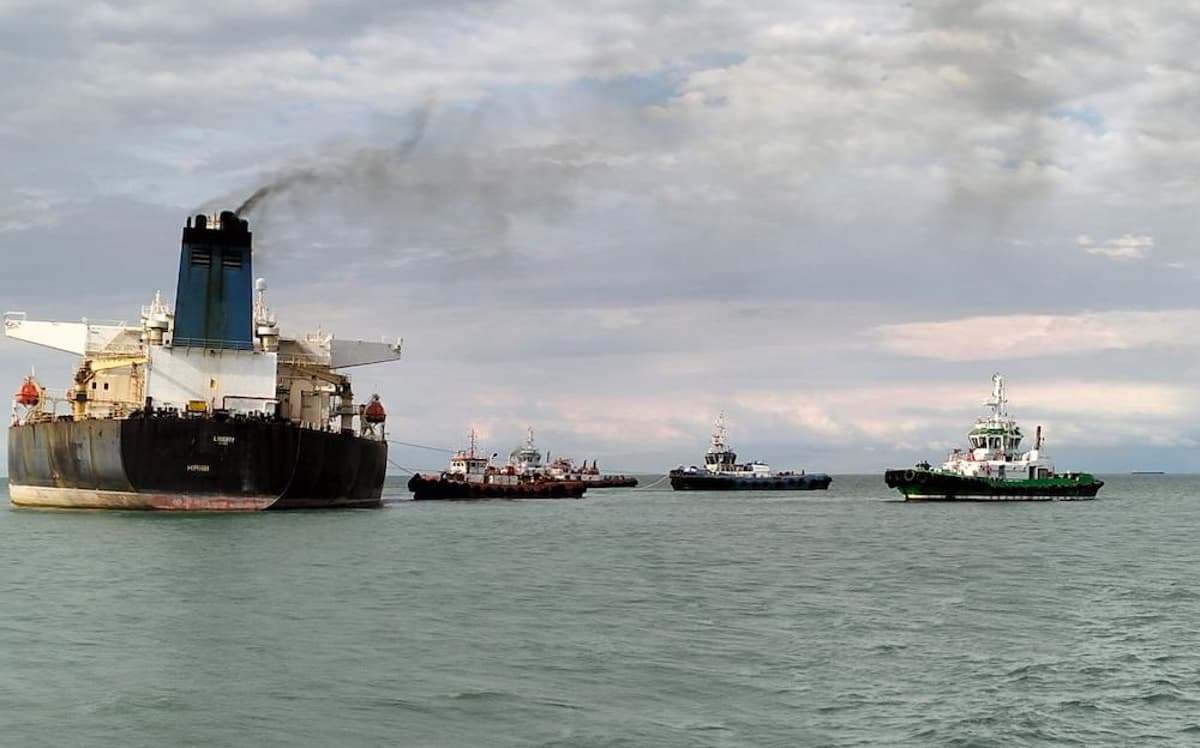
Safety concerns have sharpened the spotlight on Cameroon’s flag after multiple accidents involving its ageing tonnage, such as the Liberty suezmax grounding off Batam. International bodies, notably the European Union and Ukraine, have urged tighter controls to prevent shadow fleets from undermining maritime security and environmental standards. In response, Prime Minister Joseph Dion Ngute’s administration has halted new registrations suspected of belonging to the shadow fleet and launched a systematic deregistration of existing vessels, signaling a shift toward greater compliance with global maritime conventions.
The purge carries significant market implications. Shipping companies may face higher compliance costs as they seek alternative registries that balance affordability with safety and regulatory credibility. Meanwhile, the reduction of Russian‑linked vessels under the Cameroon flag could diminish avenues for sanctions evasion, potentially reshaping freight routes and pricing dynamics. For African maritime hubs, the move underscores the need to develop robust oversight mechanisms that attract reputable business while deterring high‑risk, outdated ships, fostering a more sustainable and secure shipping environment.
Cameroon clamps down on shadow fleet as flag purge begins


Comments
Want to join the conversation?
Loading comments...