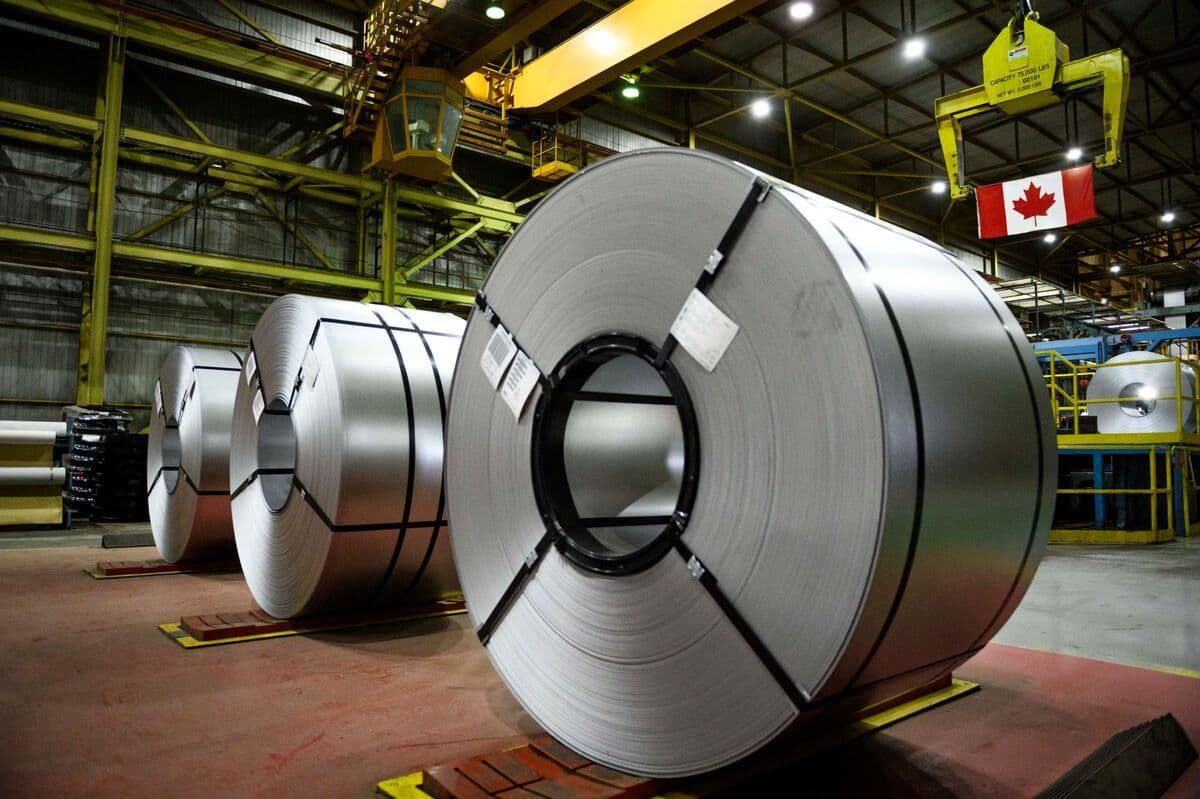
Canada Giving $1.1 Billion to Firms Hit by US Metal Tariffs
Why It Matters
The assistance shields Canadian exporters from sudden cost spikes, sustaining trade flows and employment while the U.S. tariff reshapes North American metal markets.
Key Takeaways
- •Canada allocates C$1.5 billion to offset U.S. metal tariff impact.
- •New U.S. rule adds 25% surcharge on metal‑containing product value.
- •Previous tariff targeted only metal content, now broader base increases costs.
- •Aid includes grants, low‑interest loans, and export credit enhancements.
Pulse Analysis
The United States’ recent shift in tariff policy—moving from a 50% duty on the metal content of goods to a 25% surcharge on the overall value of steel, aluminum and copper‑laden products—has sent shockwaves through North American supply chains. For Canadian manufacturers and exporters that rely on cross‑border shipments, the broader tax base translates into higher landed costs, eroding price competitiveness and threatening profit margins. The change, announced in April, reflects a protectionist stance that seeks to shield domestic producers but inadvertently penalizes downstream users in allied economies.
In response, Prime Minister Mark Carney’s government unveiled a C$1.5 billion ($1.1 billion) relief package designed to blunt the fiscal impact on affected firms. The program blends direct cash grants, low‑interest loan guarantees, and expanded export‑credit facilities, targeting sectors from automotive parts to construction materials. By injecting liquidity and reducing financing costs, the aid aims to preserve jobs, maintain export volumes, and keep Canadian supply chains integrated with U.S. markets. Early industry feedback suggests the measures will mitigate immediate cash‑flow pressures, though firms remain cautious about longer‑term tariff exposure.
The broader implication is a potential recalibration of North American trade dynamics. While the U.S. seeks to bolster its own metal producers, Canada’s counter‑measure underscores the interdependence of the two economies and the political risk of unilateral tariff escalations. Analysts predict that sustained protectionism could prompt further policy coordination, such as bilateral negotiations or adjustments to existing trade agreements. For investors and corporate strategists, monitoring the evolution of these tariffs and Canada’s fiscal response will be critical to forecasting sector performance and supply‑chain resilience in the coming years.
Canada Giving $1.1 Billion to Firms Hit by US Metal Tariffs
Comments
Want to join the conversation?
Loading comments...