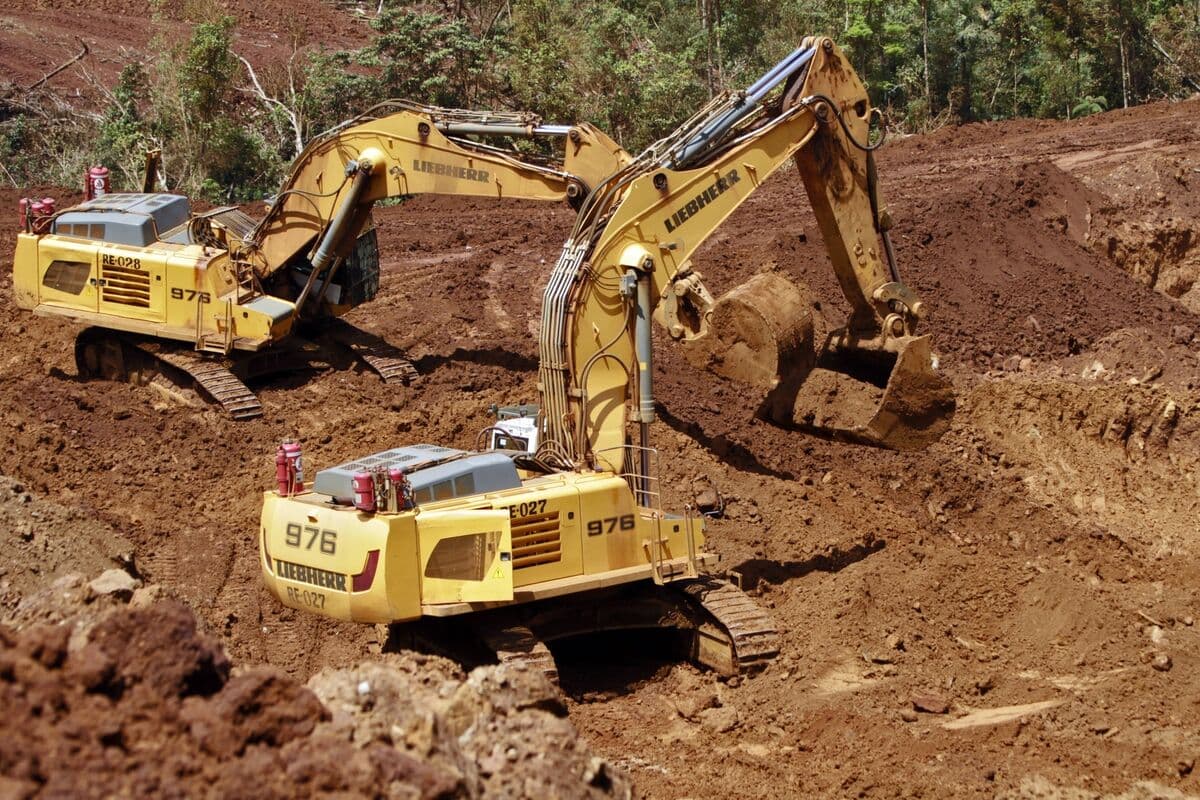
Canada Miner Sherritt Pulls Out of Cuba on Sanctions Threat
Companies Mentioned
Why It Matters
The suspension highlights how U.S. sanctions can quickly disrupt foreign mining projects, raising risk for investors and threatening Cuba’s mineral export revenues. It signals a broader caution for resource firms operating in politically sensitive jurisdictions.
Key Takeaways
- •Sherritt suspends all joint‑venture operations in Cuba
- •Company begins repatriating its 200‑plus Cuban‑based staff
- •Cuban partners asked to return Canadian personnel to Canada
- •No short‑term effect on Sherritt’s Fort Saskatchewan refinery
- •Sanctions raise uncertainty for foreign investors in Cuba’s mining sector
Pulse Analysis
The United States’ latest sanctions package, announced under President Donald Trump, targets entities that facilitate trade with Cuba’s strategic sectors, including mining. Sherritt International, a Canadian firm with a long‑standing presence in Cuba’s nickel‑cobalt industry, chose to suspend its joint‑venture projects rather than risk secondary penalties. This decision reflects a growing trend where multinational resource companies pre‑emptively withdraw from markets when compliance costs outweigh projected returns, especially in regions where political risk is volatile.
Cuba’s economy, already strained by limited access to global capital, relies heavily on mineral exports to fund public spending. Sherritt’s exit removes a key source of foreign direct investment, technology transfer, and employment for hundreds of local workers. The abrupt halt may also delay planned expansion of the Moa nickel‑cobalt complex, a project that could have boosted the island’s export earnings by an estimated $200 million annually. As Cuban authorities scramble to find alternative partners, the broader investment climate is likely to sour, prompting other foreign firms to reassess exposure to similar sanction‑driven risks.
For Canadian resource firms, the Sherritt episode serves as a cautionary tale about geopolitical due diligence. Companies must embed robust sanction‑compliance frameworks and scenario‑planning into their operational strategies, especially when dealing with jurisdictions subject to U.S. extraterritorial measures. While the immediate impact on Sherritt’s domestic refinery is negligible, the longer‑term implication could be a tighter capital allocation toward lower‑risk assets, potentially reshaping Canada’s mining export profile in the coming years.
Canada Miner Sherritt Pulls Out of Cuba on Sanctions Threat
Comments
Want to join the conversation?
Loading comments...