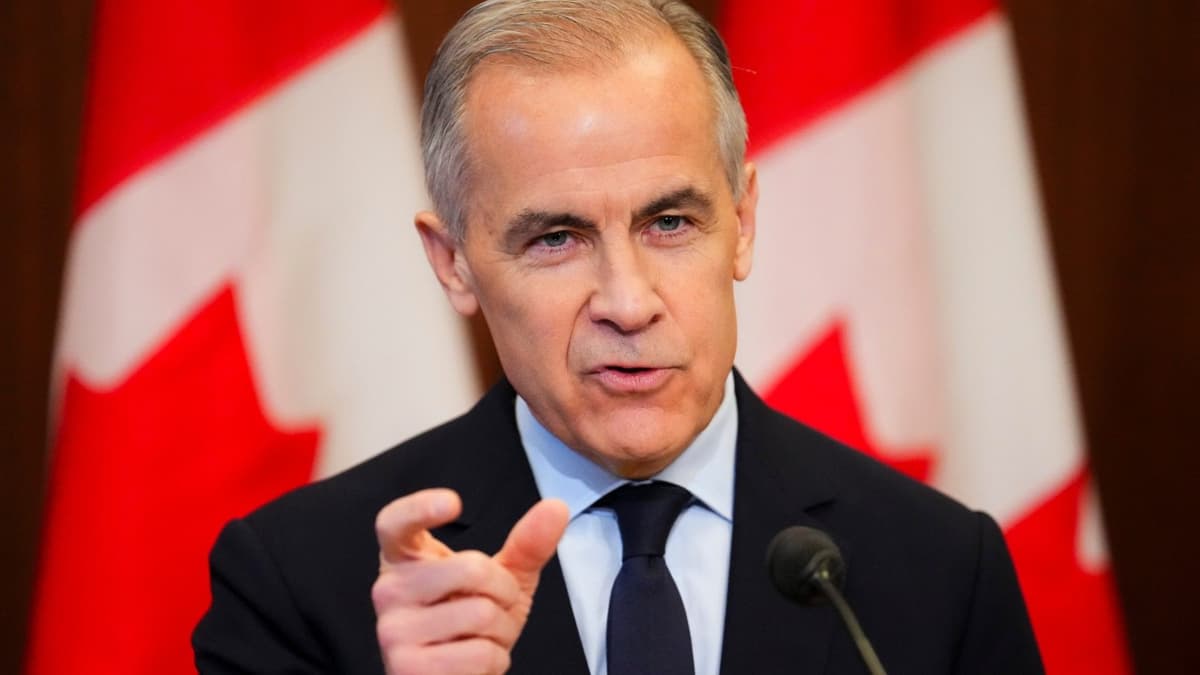
Canada Takes Key Step Towards New Oil Pipeline to Serve Asia Markets
Why It Matters
The pipeline could diversify Canada’s export base away from the United States, boosting revenues and geopolitical leverage, while the carbon‑pricing framework aims to mitigate climate concerns.
Key Takeaways
- •Canada and Alberta agree carbon price rising to C$130/ton by 2040.
- •Pipeline proposal for Asian markets must be submitted by July 1.
- •New carbon capture initiative tied to pipeline approval.
- •Indigenous groups pledge opposition to any Alberta‑to‑Pacific pipeline.
- •Alberta separatist support hits 30%, reflecting oil policy tensions.
Pulse Analysis
Canada’s push to open Asian markets for its crude reflects a strategic pivot away from an over‑reliance on the United States. Prime Minister Mark Carney has framed the move as a way to secure stable, long‑term revenue streams while positioning Canada as a reliable energy partner for fast‑growing economies in China, India and Southeast Asia. By targeting a pipeline that would transport Alberta oil to the Pacific coast, the government hopes to tap into demand for higher‑grade crude, potentially adding billions of dollars to the national balance sheet and reshaping trade dynamics in North America.
The carbon‑pricing deal signed with Alberta is a cornerstone of the project’s environmental narrative. Setting a fee that climbs to C$130 (US$96) per tonne by 2040, the policy is deliberately softer than the C$170 (US$126) per tonne target proposed by the previous administration, aiming to appease oil producers while still signaling a commitment to emissions reduction. Oil companies have expressed concern over the added cost, but the agreement also promises a “largest global initiative” for carbon capture and storage, which could offset the fee’s impact and provide a technological edge for the industry. This hybrid approach seeks to balance fiscal incentives with climate accountability, a model other resource‑rich jurisdictions may watch closely.
Political headwinds remain formidable. Indigenous groups and several First Nations have pledged to block any route crossing their territories, citing environmental and sovereignty concerns. The New Democratic Party has condemned the move as a capitulation to the oil lobby, while separatist sentiment in Alberta has surged to roughly 30%, fueled by frustration over federal control of provincial resources. These dynamics could delay regulatory approvals and increase project costs, underscoring the need for careful stakeholder engagement if the pipeline is to move beyond the planning stage.
Canada takes key step towards new oil pipeline to serve Asia markets
Comments
Want to join the conversation?
Loading comments...