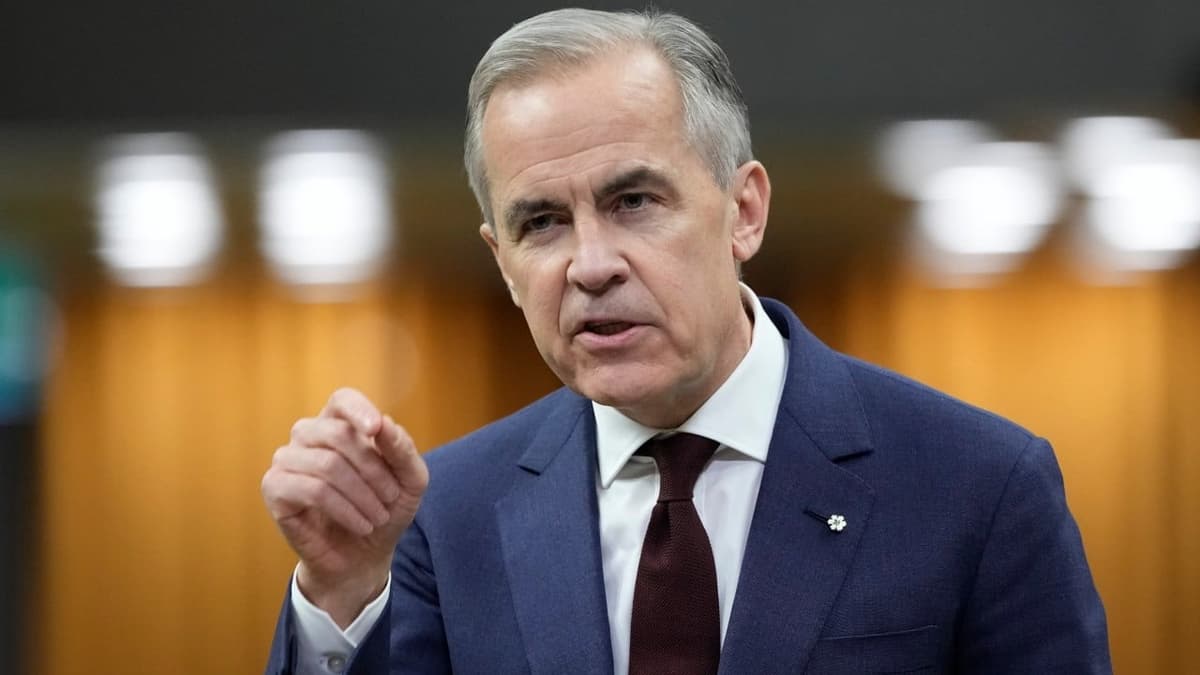
Canada’s Economic Ties with US Are a Weakness that Must Be Corrected, Says Carney
Why It Matters
Canada’s pivot away from a single‑market dependency could reshape North American trade flows and open new investment corridors for global firms. The shift also signals heightened geopolitical risk management as Canada seeks greater economic sovereignty.
Key Takeaways
- •Carney calls US reliance a strategic weakness for Canada
- •Canada aims to attract new foreign investment beyond the US
- •Upcoming NAFTA review may reshape North American trade rules
- •Government plans to double clean‑energy capacity and cut domestic tariffs
- •Defence spending increase signals broader security diversification
Pulse Analysis
Mark Carney’s recent video address marks a watershed moment for Canadian trade policy. After years of benefiting from a seamless border with the United States, Canada now faces higher U.S. tariffs reminiscent of the Great Depression era and a political climate that questions the bilateral relationship. Carney, a former governor of both the Bank of Canada and the Bank of England, leverages his credibility to argue that reliance on a single partner creates systemic risk, especially as Washington adopts protectionist measures under President Trump’s administration.
In response, the Canadian government is rolling out a multi‑pronged diversification strategy. It plans to court investment from Europe, Asia and emerging markets, while fast‑tracking trade agreements that reduce reliance on U.S. markets. Domestically, Carney pledged to double clean‑energy capacity, cut internal trade barriers, and lower taxes to make Canada a more attractive destination for high‑tech and green‑energy firms. The upcoming review of the North American Free Trade Agreement in July offers a legislative window to renegotiate terms that could give Canada more leverage in cross‑border commerce.
For investors and businesses, Carney’s message signals both risk and opportunity. Companies dependent on U.S. supply chains may need to reassess exposure, whereas sectors such as renewable energy, advanced manufacturing, and services stand to benefit from new trade routes and incentives. The broader geopolitical implication is a Canada that is positioning itself as a more autonomous economic actor, potentially reshaping the balance of power in North America and offering a stable, diversified market for multinational corporations. This strategic shift is likely to influence capital allocation decisions throughout the continent.
Canada’s economic ties with US are a weakness that must be corrected, says Carney
Comments
Want to join the conversation?
Loading comments...