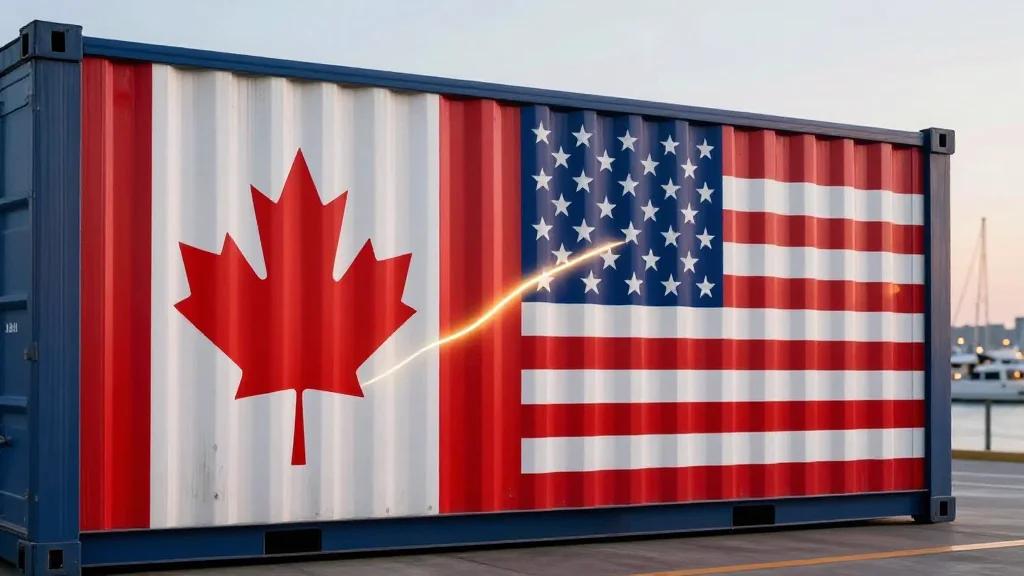
Canada's Prime Minister Says the US Does Not Get to Dictate Terms for a Trade Agreement
Why It Matters
The stance signals a tougher Canadian bargaining position that could reshape North American trade dynamics and affect key sectors such as agriculture and automotive manufacturing.
Key Takeaways
- •Carney rejects U.S. dictating USMCA terms.
- •Both nations cite trade irritants affecting dairy, alcohol.
- •U.S. challenges Canada’s Buy Canadian $18 M threshold.
- •Canada seeks diversification beyond U.S. market.
- •USMCA review scheduled for July, negotiations ongoing.
Pulse Analysis
The United States‑Mexico‑Canada Agreement, first signed in 1994 and modernized in 2020, is due for its mandatory review in July. That review provides a rare window for member countries to address lingering disputes and update provisions that affect billions of dollars in cross‑border trade. Analysts view the timing as critical because the USMCA underpins supply‑chain integration for automotive, agriculture, and technology sectors across North America. Any shift in the agreement’s rules can ripple through pricing, investment decisions, and regulatory compliance for firms on both sides of the border.
At the heart of the current friction are what officials label “trade irritants.” The United States has flagged Canadian provincial bans on American alcohol and high tariffs on U.S. dairy, while Canada defends its “Buy Canadian” policy that gives preference to domestic firms on projects exceeding $18 million. Carney’s comments underscore that Canada is unwilling to accept a unilateral U.S. agenda and is prepared to leverage its own strengths, including recent concessions to China on electric‑vehicle tariffs. The dialogue reflects broader geopolitical currents, where trade policy is increasingly used as a lever in larger strategic contests.
Looking ahead, Canada’s push to diversify its trade portfolio could reshape its economic landscape. By courting new partners in Europe and Asia, Ottawa aims to reduce reliance on the U.S. market, a move that may buffer Canadian exporters against future tariff shocks. However, the success of this strategy hinges on the outcome of the USMCA review; a stalemate could delay diversification efforts and keep key sectors—particularly dairy, poultry, and auto manufacturing—exposed to policy uncertainty. Stakeholders are therefore watching the negotiations closely, as the final terms will influence investment flows, commodity prices, and the competitive balance within the continent.
Canada's prime minister says the US does not get to dictate terms for a trade agreement
Comments
Want to join the conversation?
Loading comments...