Canadian Inflation Comments
Why It Matters
Persistently high core inflation and volatile energy markets limit the Bank of Canada’s policy flexibility, while fiscal tools remain modest, shaping consumer spending and broader economic momentum.
Key Takeaways
- •Canada’s gasoline average ~C$2/L (~US$1.48/L) in Greater Montreal
- •Temporary excise tax cut trims pump price by C$0.11/L (~US$0.08/L)
- •Core CPI stays above 2% target, pressuring BoC policy
- •Strait of Hormuz tension may delay oil flow, slowing growth
- •BoC likely to hold rates on April 29 amid upside inflation risk
Pulse Analysis
Canada’s recent gasoline price surge has reignited concerns about household budgets. The national average for unleaded fuel now hovers around C$2 per litre, which translates to roughly US$1.48 per litre in the Greater Montreal market where prices tend to be higher. In response, the federal government introduced a temporary suspension of the gasoline excise tax, cutting pump prices by about C$0.11 per litre (approximately US$0.08). While the measure offers short‑term relief, economists argue it does little to address the underlying commodity price shock that continues to pressure consumers.
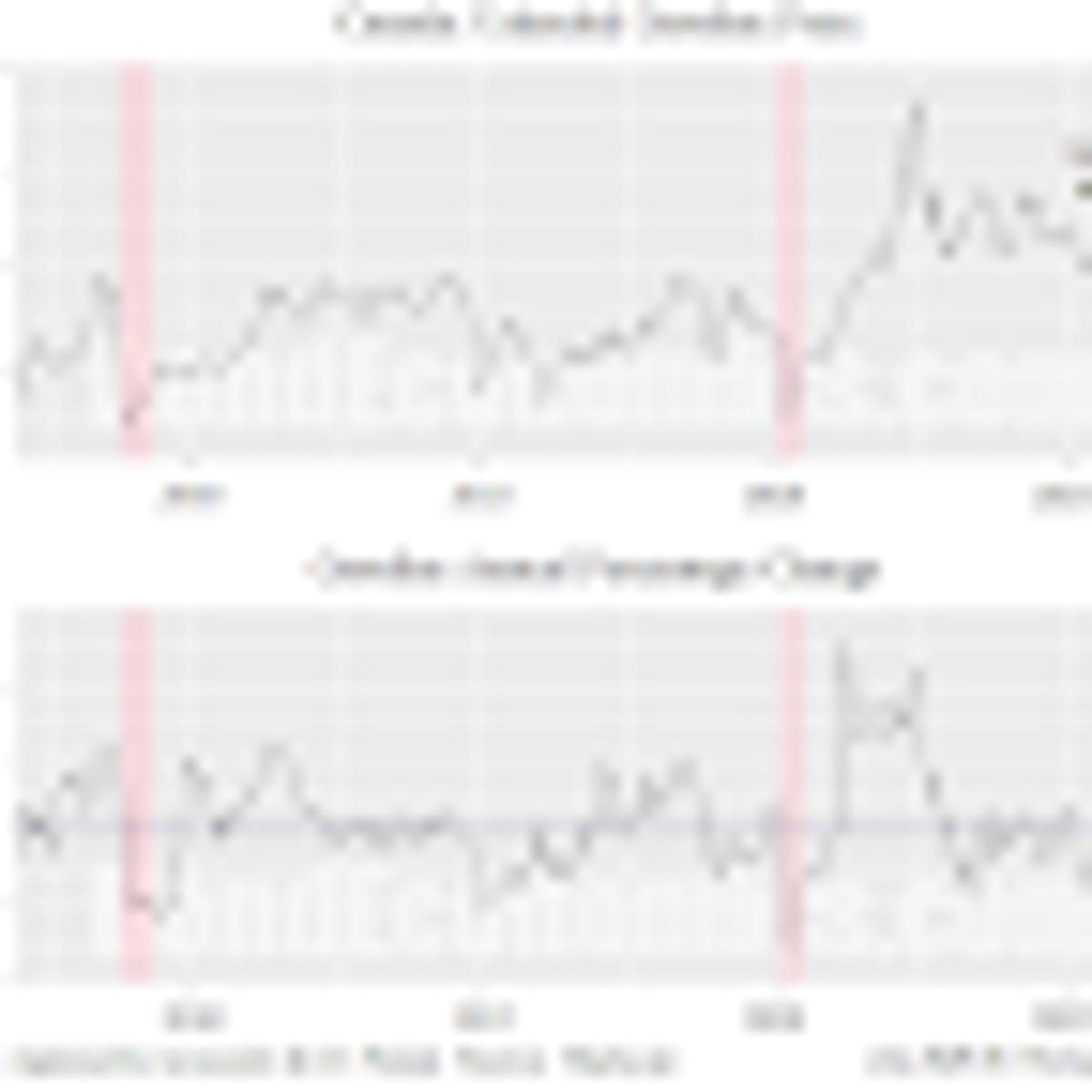
At the same time, Canada’s core inflation rate remains stubbornly above the central bank’s 2% target, signaling that price pressures are not yet easing. The Bank of Canada faces a delicate balancing act: tightening policy could curb inflation but risk further dampening growth, especially as global demand for oil remains uncertain. With the next policy‑rate decision slated for April 29, the consensus among analysts is that the BoC will hold rates steady, citing upside inflation risks and downside growth concerns. This stance underscores the central bank’s cautious approach amid mixed domestic data and external headwinds.
Geopolitical factors add another layer of complexity. Ongoing tensions in the Strait of Hormuz threaten to disrupt oil flows, potentially extending the period of elevated energy prices. Coupled with a fraught trade relationship with the United States, where political rhetoric hints at possible challenges to the trilateral trade pact, Canada’s fiscal response is expected to stay limited. While higher commodity prices could benefit export‑oriented sectors, the broader economy may feel the squeeze through reduced consumer spending and slower growth, reinforcing the need for vigilant monetary policy.
Canadian Inflation Comments
Comments
Want to join the conversation?
Loading comments...