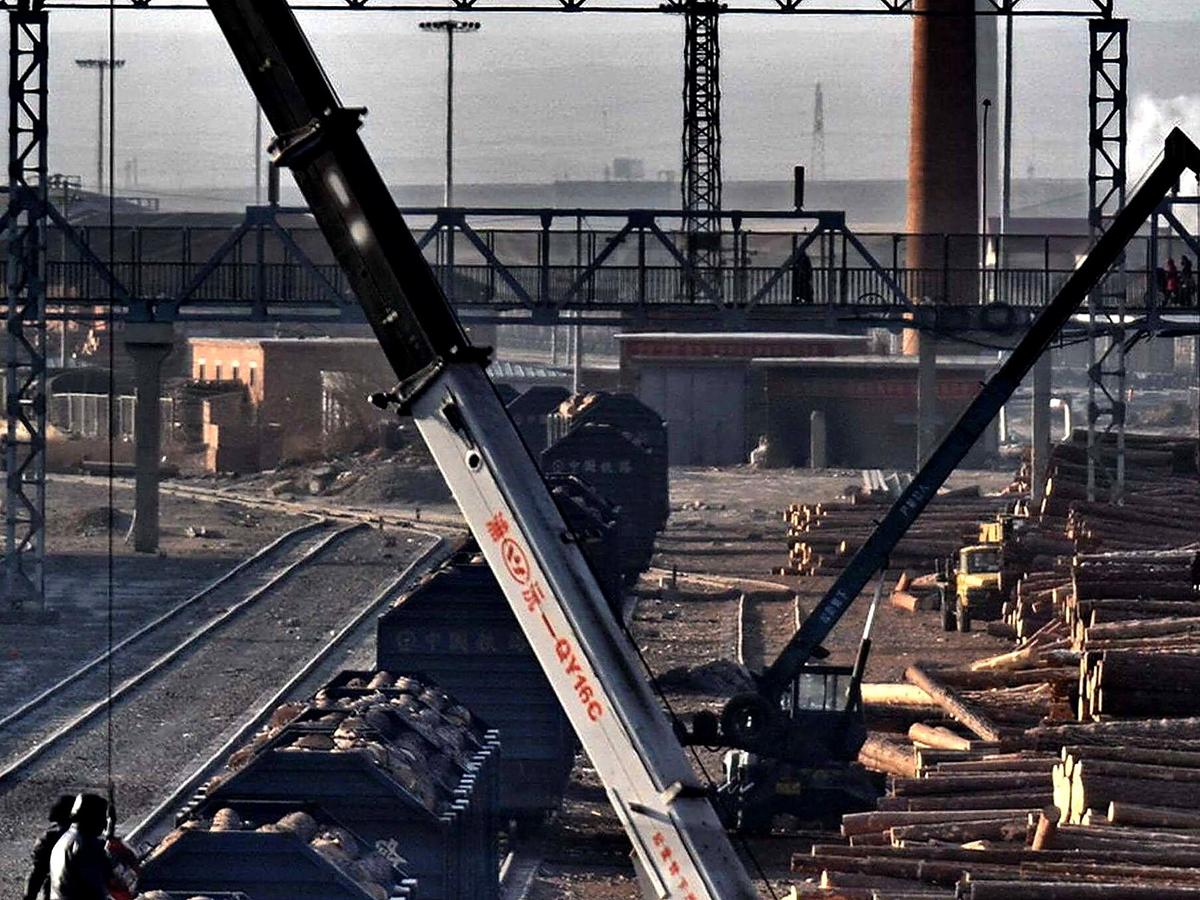
Canberra Pressed to Close Russia’s ‘Safe Haven’ for Conflict Timber
Why It Matters
If unaddressed, the loophole erodes Australia’s timber sector, fuels illegal logging profits for Russia, and weakens the country’s credibility in enforcing Western sanctions.
Key Takeaways
- •LVL imports jumped 63% as Chinese mills process Russian timber
- •Testing found half of Chinese LVL samples contained unverifiable Russian wood
- •AFPA seeks 35% tariff on all products with Russian material
- •EU imposes 86.8% duty on Chinese plywood linked to Russia
- •Domestic mills face stock backlogs and falling demand due to cheap imports
Pulse Analysis
Australia’s timber market is confronting a hidden surge of conflict‑origin wood that bypasses the 35% duty imposed after Russia’s invasion of Ukraine. Industry data shows laminated veneer lumber (LVL) volumes soaring by more than 60% in the year to October 2025, with 69% of that supply arriving from China. Independent testing confirmed that a significant share of these imports contains Russian timber, a fact that undermines the Forest Stewardship Council’s certification standards and highlights the limits of Australia’s reliance on third‑party origin verification. The AFPA’s submission argues that the current sanctions framework, which targets only directly imported Russian wood, is being outflanked by sophisticated supply‑chain rerouting through third countries.
The economic fallout for Australian sawmills is already evident. Unsold stock piles up in yards, production shifts are trimmed, and local timber prices are squeezed by the influx of low‑cost, duty‑free alternatives. This not only threatens jobs in regional manufacturing hubs but also raises broader concerns about market distortion and the loss of revenue that could be redirected to domestic producers. By extending the tariff to any product containing Russian material and introducing anti‑dumping actions, the government could level the playing field and restore confidence in Australian‑sourced timber.
Globally, the EU and United States have moved to close similar loopholes, imposing steep duties—up to 86.8% on Chinese plywood linked to Russia—and flagging suspect shipments. Aligning Australia with these stricter regimes would send a clear signal to illicit traders and reinforce the country’s commitment to the broader Western sanctions architecture. Moreover, adopting advanced source‑identification technologies could provide an independent verification layer, reducing reliance on certification alone and curbing the flow of illegal logging profits back to the Kremlin.
Canberra Pressed to Close Russia’s ‘Safe Haven’ for Conflict Timber
Comments
Want to join the conversation?
Loading comments...