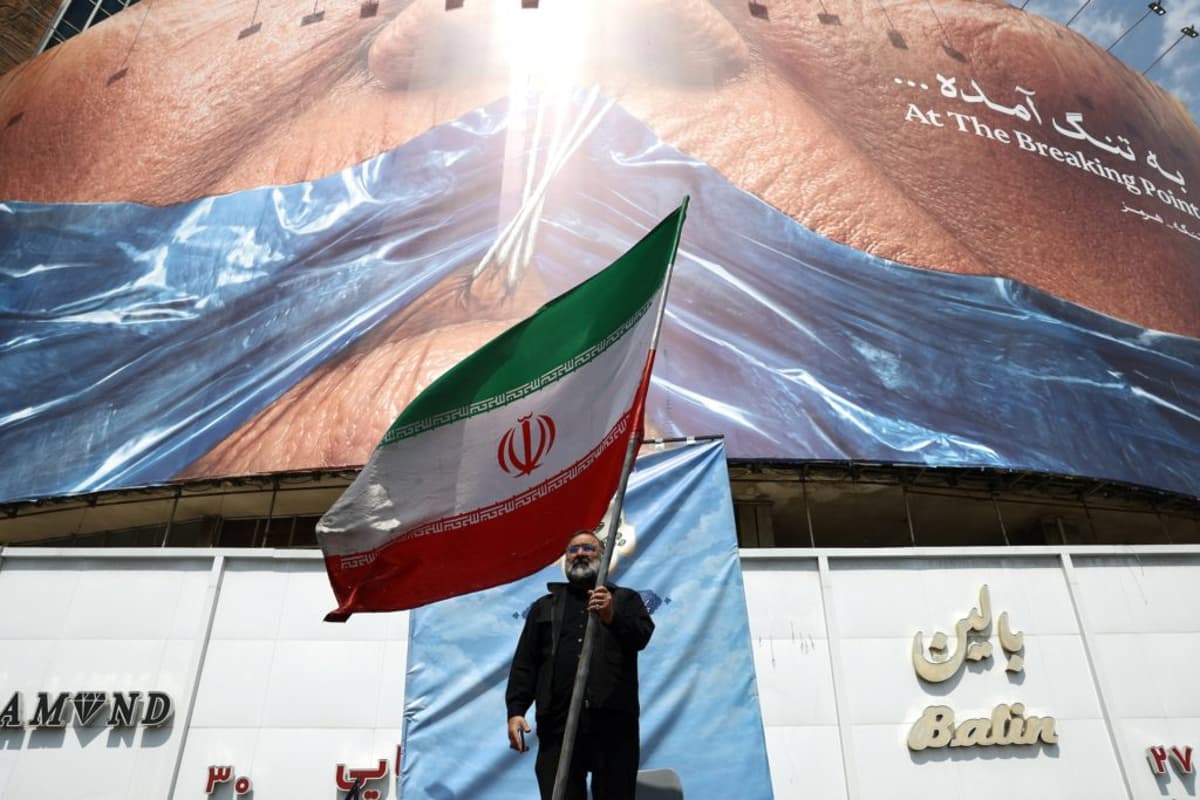
Ceasefire Offers Reprieve as Iranians Endure Conflict in Tehran
Why It Matters
The ceasefire’s durability will shape regional stability, influencing global oil markets and the trajectory of U.S.–Iran diplomatic efforts. For Iran, the economic strain and social unrest sparked by the conflict could accelerate internal pressures for reform or further repression.
Key Takeaways
- •Four‑week US‑Iran ceasefire eases immediate civilian casualties in Tehran
- •Airstrike destroyed a 15‑year music academy, symbolizing war’s cultural toll
- •Inflation spikes as oil exports slump under U.S. blockade and sanctions
- •Tehran sees relaxed dress codes, yet protests and executions persist
- •Analysts warn Iran may prepare for a third attack if ceasefire fails
Pulse Analysis
The recent ceasefire marks a rare pause in a conflict that escalated after a series of U.S. and Israeli strikes on Iranian targets in March. While diplomatic channels remain fragile, the lull has allowed humanitarian aid to reach neighborhoods scarred by bombings, and it offers a window for back‑channel negotiations that could prevent a broader escalation involving regional allies. Observers note that the ceasefire’s success hinges on both sides’ willingness to address underlying grievances, including Iran’s demand for sanctions relief and the United States’ concerns over Tehran’s regional activities.
Economically, the war has pushed Iran’s currency toward historic lows and driven inflation to unprecedented levels, eroding purchasing power for ordinary Iranians. The U.S. naval presence in the Strait of Hormuz has choked traditional oil export routes, forcing Tehran to explore overland pipelines through friendly neighbors—a costly and logistically complex alternative. Sanctions on the financial sector further restrict Iran’s ability to attract foreign investment, deepening the fiscal crisis and prompting the government to consider limited social concessions to stave off unrest.
On the societal front, Tehran’s streets reveal a paradox: while the regime tightens security, citizens are testing new freedoms, from street musicians defying bans to women riding motorcycles without hijabs. These cultural shifts reflect a resilient public yearning for normalcy and expression, even as the state continues to execute dissenters and suppress large‑scale protests. The interplay between limited liberalization and harsh crackdowns will likely shape Iran’s internal dynamics and influence how the ceasefire evolves into a lasting peace or a prelude to renewed hostilities.
Ceasefire offers reprieve as Iranians endure conflict in Tehran
Comments
Want to join the conversation?
Loading comments...