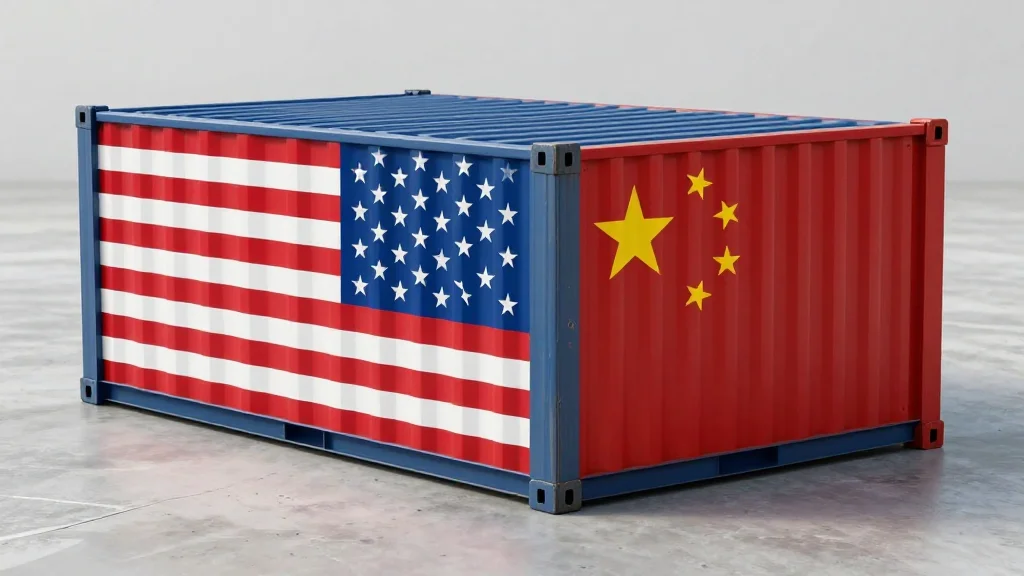
Chad P. Bown on the State of US-China Trade
Why It Matters
The steep drop in trade volumes signals rising supply‑chain risk and heightened geopolitical tension, influencing corporate strategy and investor sentiment across both economies.
Key Takeaways
- •US imports from China fell 20% since 2021
- •US exports to China dropped 15% in same period
- •Tariff escalations drove supply chain reshoring
- •Trade decline raises geopolitical tension ahead of summit
- •Policy uncertainty hampers multinational investment decisions
Pulse Analysis
Chad P. Bown’s briefing underscores a fundamental shift in the U.S.–China trade dynamic that began with the second Trump administration’s aggressive tariff regime. By the end of 2025, U.S. customs data showed a 20 percent contraction in imports from China, while exports to Beijing slipped 15 percent, a reversal of the long‑standing trade surplus that had defined the relationship for decades. The analyst attributes this decline not only to tariff hikes but also to tighter export controls, investment curbs, and a broader move toward economic decoupling that has reshaped global supply chains.
For multinational corporations, the trade squeeze translates into higher costs and strategic uncertainty. Companies that once relied on low‑cost Chinese components are accelerating reshoring and diversifying sourcing to Southeast Asia, Mexico, and Eastern Europe. The tariff‑induced price differentials have spurred a wave of “friend‑shoring,” as firms seek to mitigate risk while complying with new export‑control rules. Meanwhile, U.S. manufacturers are experiencing a modest rebound in domestic demand, yet they face capacity constraints that could limit the speed of substitution.
The upcoming summit between President Trump and President Xi will be a litmus test for whether diplomatic overtures can soften the trade friction. Analysts anticipate that any concession—such as limited tariff rollbacks or clearer rules of origin—could stabilize market expectations and revive cross‑border investment flows. However, entrenched political pressures on both sides suggest that only incremental adjustments are likely, leaving the broader trajectory of U.S.–China trade to remain cautious and highly dependent on policy signals.
Chad P. Bown on the state of US-China trade
Comments
Want to join the conversation?
Loading comments...