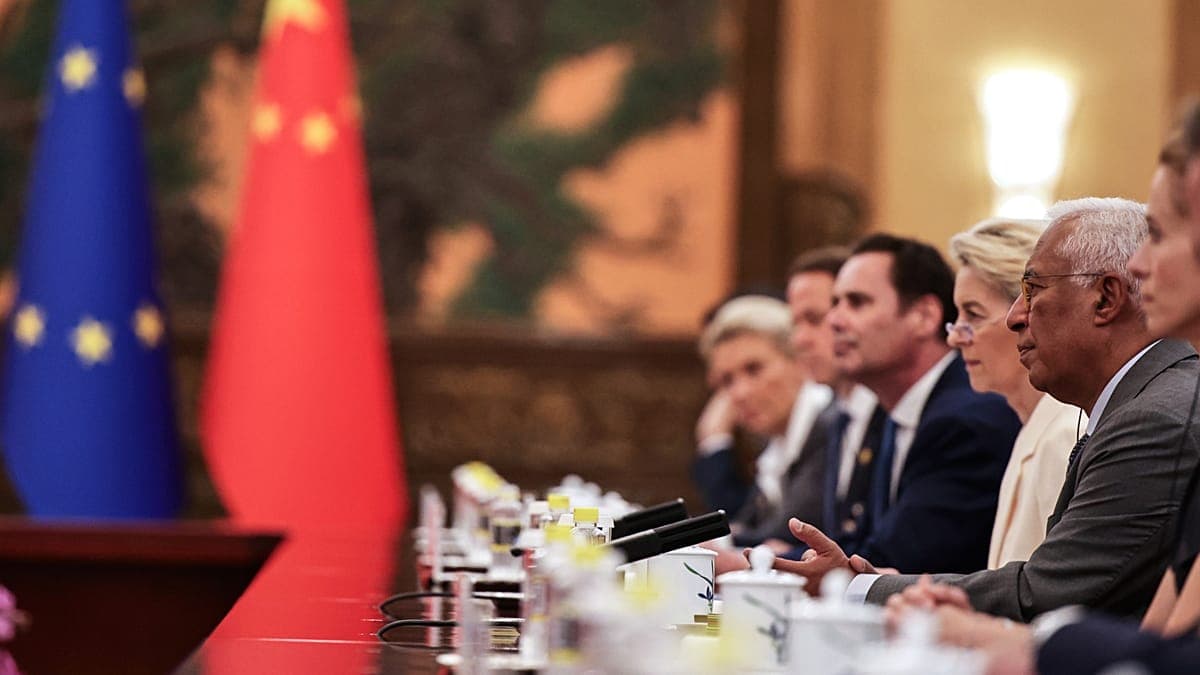
China Hawks Are Gaining Ground in the Commission. Will EU Countries Follow?
Why It Matters
A firmer EU stance could protect European manufacturers from undercutting and reshape global supply‑chain dynamics, while signaling a more confrontational Europe‑China relationship.
Key Takeaways
- •EU eyes Anti‑Coercion Instrument as “trade bazooka” against China
- •German‑China trade deficit hits €87 bn ($94 bn), prompting policy shift
- •Activation of ACI needs qualified majority of all 27 EU members
- •Chinese threats target Made in Europe and cybersecurity rules
- •EU split: Germany favors deals, France/Belgium demand hard line
Pulse Analysis
Europe’s trade architecture is at a crossroads as the Commission grapples with a surge of Chinese economic leverage. The catalyst was Germany’s disclosure of a €87 bn ($94 bn) trade deficit with China, a stark reminder that the continent’s reliance on low‑cost imports is eroding domestic competitiveness. Coupled with Beijing’s recent retaliation threats over the Made in Europe and Cybersecurity Acts, Brussels is reassessing its historically balanced approach of “compete‑cooperate‑confront” and moving toward a more defensive posture.
Central to this shift is the Anti‑Coercion Instrument (ACI), a legal tool introduced in 2023 but never deployed. The ACI would allow the EU to impose tariffs, restrict public procurement, or even limit intellectual‑property access in response to coercive economic measures from third countries. While the instrument promises rapid response—far quicker than the 18‑month lag of traditional anti‑dumping duties—its activation hinges on a qualified majority of all 27 member states, a political hurdle given divergent national interests. Germany’s Chancellor leans toward a long‑term trade deal, whereas France and Belgium push for a hard line, reflecting a broader east‑west divide within the Union.
If the Commission adopts the ACI, European industries—from automotive to renewable‑energy components—could gain a shield against sudden surges of cheap Chinese goods, preserving jobs and encouraging domestic investment. However, a confrontational stance also risks supply‑chain disruptions, especially for sectors still dependent on Chinese lithium batteries, solar panels, and medical devices. The outcome of the May 29 debate will therefore set the tone for Europe’s trade policy for years, influencing not only EU‑China relations but also the global balance of manufacturing power.
China hawks are gaining ground in the Commission. Will EU countries follow?
Comments
Want to join the conversation?
Loading comments...