China Hit Brakes on Fiscal Stimulus as Economy Holds Up Amid War
Why It Matters
The slowdown signals Beijing’s test of domestic demand resilience while tightening fiscal discipline, affecting global commodity markets and investor sentiment. It highlights a pivot from state‑driven growth toward private sector dynamism and structural reforms.
Key Takeaways
- •Public spending fell 2.5% YoY in March, biggest drop since Oct 2023
- •Fiscal slowdown aligns with Iran war disruptions and tighter local‑government debt rules
- •Reduced stimulus may shift growth reliance to private sector and reforms
- •Investors watch for future stimulus or monetary easing if growth stalls
Pulse Analysis
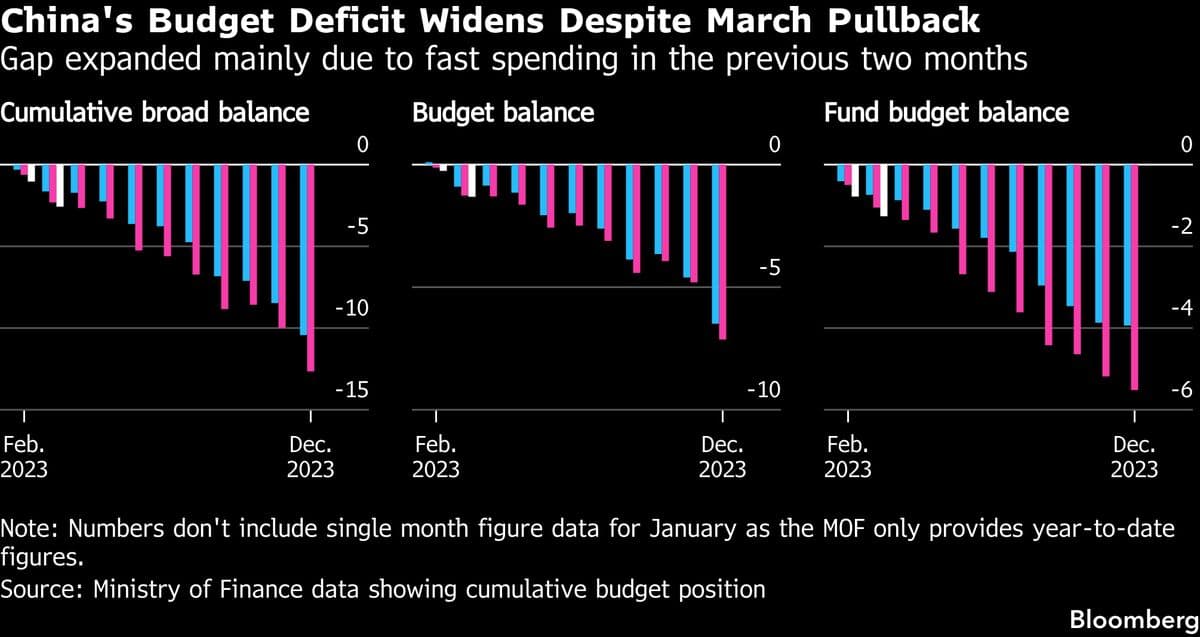
China's fiscal engine has been a cornerstone of its post‑COVID recovery, with the central government routinely injecting billions of yuan into infrastructure, social welfare, and local government financing vehicles. In March 2026, however, Bloomberg's analysis of Ministry of Finance data shows a 2.5 % year‑on‑year drop in total public expenditure, the steepest decline since October 2023. The contraction signals a deliberate pause after a series of aggressive stimulus packages that helped the economy rebound earlier in the year. The March figure translates to roughly $1.2 billion less in spending compared with the same month a year earlier, underscoring the scale of the pullback.
The timing coincides with heightened geopolitical risk stemming from the war in Iran, which has disrupted trade routes and heightened energy price volatility. By scaling back spending, Beijing appears to be testing the resilience of its domestic demand while avoiding fiscal overheating. Analysts note that the slowdown in spending may also reflect tighter debt controls on local governments, who have faced mounting repayment pressures after years of borrowing against central‑backed bonds. Furthermore, the central bank has kept interest rates steady, signaling that monetary policy will shoulder more of the stabilization burden.
For investors, the shift suggests that future growth will rely more on private sector dynamism and structural reforms than on state‑driven projects. While the modest pullback may temper short‑term construction and steel demand, it could improve fiscal sustainability and reduce the risk of hidden debt buildups. Market watchers will monitor whether the government re‑engages stimulus later in the year if growth stalls, or if it continues to lean on monetary tools and targeted reforms to sustain momentum. Should the economy decelerate below the 5 % growth target, policymakers may revive large‑scale projects in transport and green energy to reignite momentum.
China Hit Brakes on Fiscal Stimulus as Economy Holds Up Amid War
Comments
Want to join the conversation?
Loading comments...