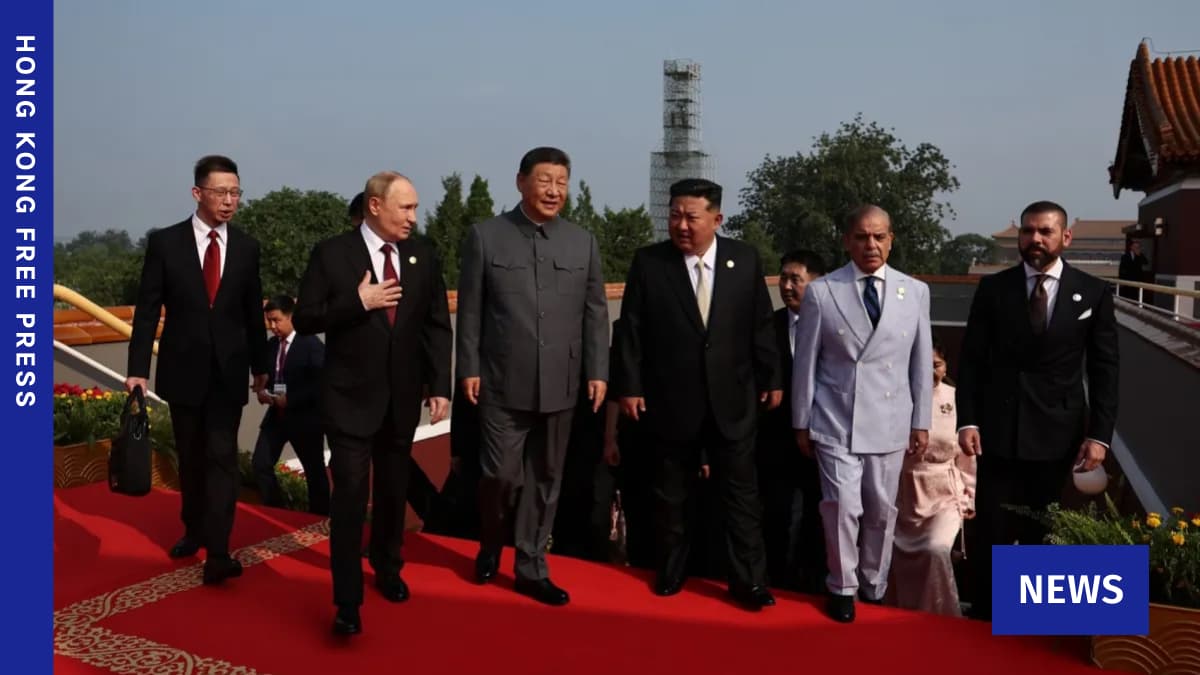
China, Russia Ties Driving North Korean Economic Recovery, Seoul Says
Companies Mentioned
Why It Matters
The revival of North Korea’s economy, anchored by China and Russia, reshapes regional trade dynamics and security calculations, challenging the effectiveness of sanctions. It also forces Seoul to recalibrate its engagement strategy amid evolving geopolitical pressures.
Key Takeaways
- •China resumed direct flights to Pyongyang, boosting trade logistics
- •Russia supplies military tech in exchange for North Korean troops
- •North Korea's GDP estimated at $30 billion, still tiny globally
- •Seoul plans decade‑long engagement strategy despite sanctions
Pulse Analysis
North Korea’s modest economic rebound reflects a strategic pivot toward its two most powerful neighbors, China and Russia, after years of isolation and crippling sanctions. While Pyongyang’s rigid socialist planning and heavy military spending have historically stifled growth, Beijing’s renewed air and rail connections have lowered logistical barriers, facilitating the flow of essential goods and limited consumer items. Moscow’s willingness to trade military technology for North Korean manpower on the Ukrainian front further cements a pragmatic partnership that bypasses Western restrictions, offering Pyongyang a lifeline amid dwindling resources.
The tangible signs of recovery—direct flights by Air China, daily passenger trains, and reported increases in trade volumes—signal more than symbolic goodwill. They hint at a gradual normalization of cross‑border commerce that could expand into energy, construction materials, and food supplies, sectors where North Korea faces chronic shortages. Analysts note that Russian assistance, while primarily military, may also include dual‑use technologies that can be repurposed for civilian infrastructure, subtly enhancing the regime’s capacity to improve living standards without overtly violating sanctions. This nuanced cooperation underscores a broader geopolitical realignment where the two giants leverage North Korea as a strategic foothold in East Asia.
For South Korea and the broader international community, the evolving dynamics pose a complex challenge. Seoul’s decade‑long engagement blueprint aims to balance pressure on Pyongyang’s nuclear ambitions with incentives for economic openness, yet the deepening Sino‑Russian ties limit leverage. Investors and policymakers must monitor how this nascent recovery influences regional supply chains, humanitarian aid distribution, and security postures, especially as the Korean Peninsula remains a flashpoint. Understanding the interplay between economic incentives and geopolitical strategy will be crucial for shaping effective responses in the years ahead.
China, Russia ties driving North Korean economic recovery, Seoul says
Comments
Want to join the conversation?
Loading comments...