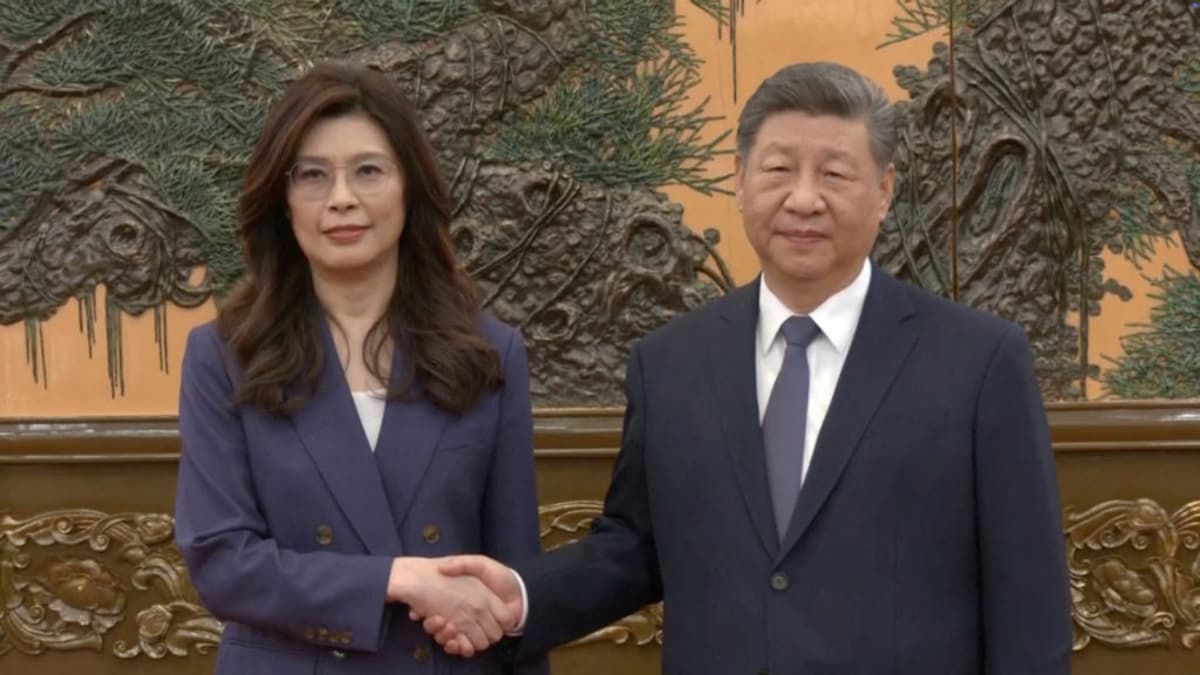
China Says It Will Resume some Ties with Taiwan Following Visit by Opposition Leader
Why It Matters
Re‑engaging limited economic links could ease market volatility and test diplomatic channels, while Taiwan’s rejection underscores the fragility of any de‑escalation without mutual government consent.
Key Takeaways
- •China will restore direct flights to Taiwan's major cities
- •Aquaculture imports from Taiwan to resume after previous ban
- •Proposed bridge linking mainland to Matsu and Kinmen islands
- •Taiwan's government calls Chinese moves political transactions bypassing official talks
Pulse Analysis
The latest cross‑strait overture follows a high‑profile visit by Kuomintang chair Cheng Li‑wun, a figure seen as Beijing‑friendly, marking the first such diplomatic engagement since tensions escalated under President Tsai Ing‑wen. By leveraging the KMT’s historic ties to the Communist Party, China aims to create a back‑channel that could soften the political stalemate while avoiding direct negotiations with Taiwan’s ruling Democratic Progressive Party. This strategy reflects Beijing’s broader playbook of using party‑to‑party dialogue to manage disputes without conceding sovereignty claims.
Beijing’s announced steps—reinstating direct flights to cities like Xi’an and Urumqi, lifting bans on Taiwanese aquaculture, and reviving a bridge project to the Matsu and Kinmen islands—signal a selective easing of economic pressure. While these moves could benefit Taiwanese exporters and travelers, they remain contingent on Taiwan’s approval, which the Mainland Affairs Council has rejected as a unilateral political maneuver. The council’s stance reinforces the principle that any cross‑strait arrangement must involve equal, dignified negotiations between the two governments, highlighting the diplomatic friction that still underpins even modest cooperation.
Analysts view the development as a litmus test for regional stability. If Beijing can translate party‑level contacts into tangible trade benefits, it may encourage other stakeholders, including the United States, to recalibrate their Taiwan policies toward a more nuanced engagement. Conversely, Taiwan’s firm rebuff could entrench the status quo, preserving the risk of military posturing that has intensified in recent years. The outcome will likely shape investment decisions, supply‑chain calculations, and geopolitical calculations across the Indo‑Pacific for the coming months.
China says it will resume some ties with Taiwan following visit by opposition leader
Comments
Want to join the conversation?
Loading comments...