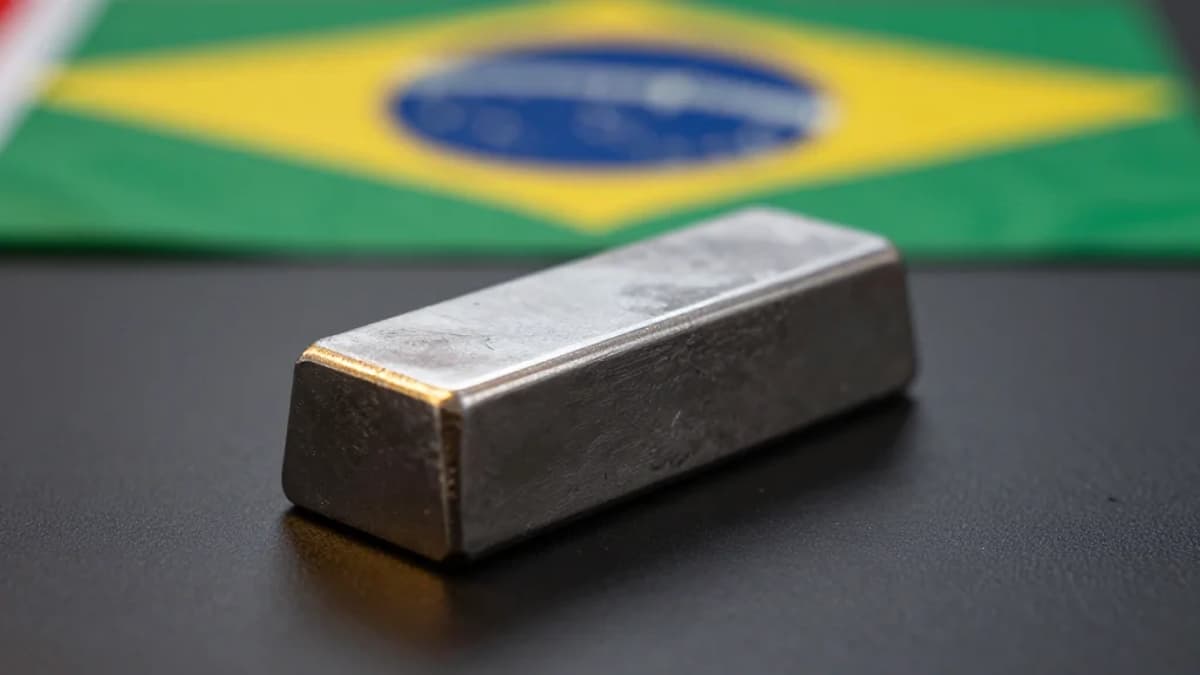
China Searches for a Way Out of Brazil’s Steel Barriers
•March 9, 2026
0
Companies Mentioned
Why It Matters
Brazil's new duties tilt the market toward local producers while forcing Chinese exporters to redesign global supply chains, highlighting escalating trade friction in the steel sector.
Key Takeaways
- •Anti‑dumping duties hit $285‑$710 per tonne
- •Chinese mills consider overseas production to bypass tariffs
- •Brazil expects 10% price rise for domestic steel
- •Shift to finished steel may delay further investigations
- •Mislabelled imports sparked high dumping margins
Pulse Analysis
Brazil’s recent anti‑dumping rulings represent a decisive shift in its steel import policy. By levying duties that often double the landed cost of Chinese pre‑painted, cold‑rolled, and coated products, the government aims to curb what it deems unfair pricing and protect domestic capacity. The measures align with broader protectionist trends in emerging markets, where local lobbying and political cycles intensify scrutiny of foreign competition. For import‑dependent sectors, the immediate effect is tighter supply and higher prices, prompting buyers to reassess sourcing strategies.
Chinese exporters are responding with a multi‑pronged playbook. Companies are relocating production lines to lower‑cost jurisdictions in Latin America, repurposing obsolete equipment, and establishing joint ventures to sidestep tariffs. Others are altering product mixes, moving from semi‑finished to finished steel to exploit classification gaps while investigations linger. The prospect of government subsidies adds another layer, allowing Chinese firms to undercut local prices despite duty burdens. These adaptations illustrate the sector’s resilience but also raise questions about long‑term cost structures and competitive fairness.
For Brazil, the crackdown offers a short‑term boost to domestic mills, which anticipate a 10% price uplift and improved profitability. However, reliance on higher‑priced imports from alternative origins may erode the cost advantage that once made Chinese steel attractive. The situation underscores a broader strategic dilemma: balancing protection of local industry against the risk of supply shortages and inflated construction costs. As the anti‑dumping case proceeds toward a mid‑2026 conclusion, market participants will watch closely for ripple effects across Latin America’s steel landscape and potential retaliatory measures from China.
China searches for a way out of Brazil’s steel barriers
0
Comments
Want to join the conversation?
Loading comments...