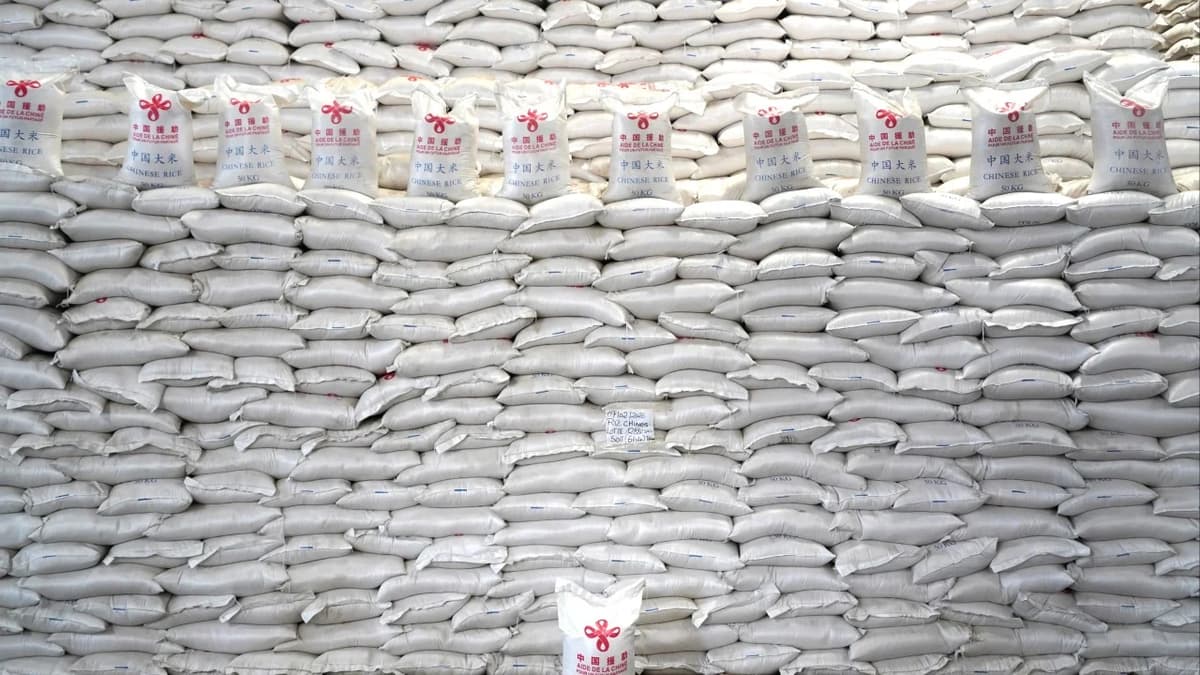
China Steps up Aid to Africa but Huge Funding Gap Left by Trump’s Cuts Remains
Why It Matters
China’s emerging role as a stop‑gap donor reshapes aid dynamics in Africa, yet the limited funding highlights a persistent financing gap left by U.S. cuts.
Key Takeaways
- •China provided drought relief to 217,057 people across Zambia and Zimbabwe
- •Beijing granted $3.49 million to South Africa for HIV prevention among 54,000 youths
- •U.S. aid cuts left $400 million annual gap in South Africa's HIV budget
- •Chinese aid remains modest, seen as supplement, not replacement for U.S. assistance
- •China funded $80 million Africa CDC headquarters, boosting its health diplomacy
Pulse Analysis
China’s aid to Africa has evolved from the iconic medical‑team deployments of the 1960s to a broader portfolio that now includes emergency food shipments and targeted health grants. In March, Vice‑President Han Zheng’s Nairobi trip resulted in cash assistance for drought‑stricken regions, food deliveries that reached more than 217,000 people, and a $3.49 million HIV‑prevention grant for South Africa. The funding also underwrites the $80 million Africa CDC headquarters in Addis Ababa, reinforcing Beijing’s "health Silk Road" and signaling a willingness to step into sectors once dominated by Washington.
The backdrop to China’s recent moves is the abrupt contraction of U.S. assistance after the Trump administration dismantled key USAID programs in early 2025. South Africa, which previously sourced roughly 17 percent of its HIV budget—over $400 million annually—from PEPFAR, now faces a sizable shortfall. While Chinese contributions address immediate humanitarian needs, analysts such as David Shinn and Cameron Hudson stress that the monetary value remains modest and largely symbolic. The aid is framed as an emergency response rather than a long‑term replacement for the comprehensive U.S. portfolio that combined health, education, and governance initiatives.
For African policymakers, the shifting aid landscape presents both opportunities and challenges. Beijing’s willingness to fund high‑visibility projects can bolster infrastructure and health capacity, but its preference for short‑term relief and trade‑linked investments may not cover systemic gaps left by the U.S. withdrawal. As competition for influence intensifies, African nations are likely to diversify partners, seeking a blend of Chinese capital, private‑sector financing, and renewed multilateral commitments to sustain development momentum. Understanding the limits of each donor’s approach will be crucial for crafting resilient, long‑term strategies.
China steps up aid to Africa but huge funding gap left by Trump’s cuts remains
Comments
Want to join the conversation?
Loading comments...