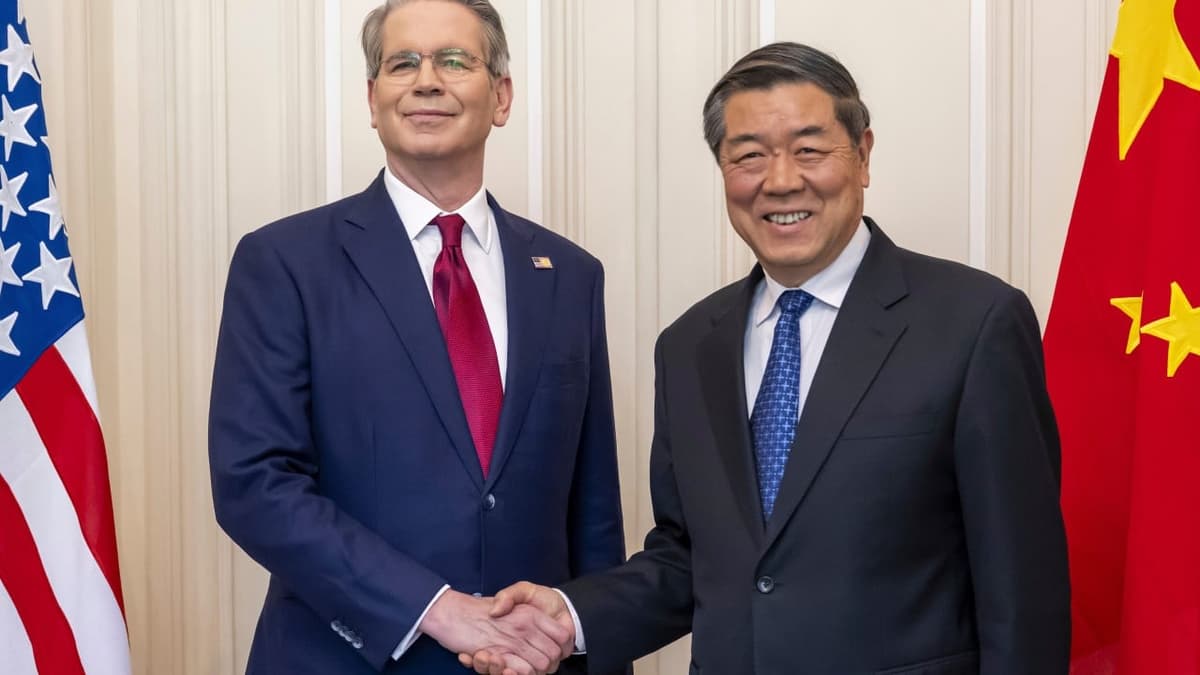
China, US Confirm Seoul Trade Talks Days Before Trump-Xi Summit in Beijing
Why It Matters
The Seoul talks could shape the agenda and tone of the Xi‑Trump summit, influencing global trade flows and market stability. Successful negotiations would signal a de‑escalation of trade tensions that have rattled investors worldwide.
Key Takeaways
- •He Lifeng and Scott Bessent meet in Seoul next week
- •Talks follow Paris round and April video conference
- •Final trade round ahead of Xi‑Trump summit in Beijing
- •Negotiations aim to ease tariffs and address supply‑chain issues
- •South Korea serves as diplomatic bridge for U.S.–China dialogue
Pulse Analysis
U.S.–China trade relations have been strained for years, with tariffs, technology bans, and geopolitical frictions creating uncertainty for multinational firms. Recent diplomatic overtures—including a Paris round in March and a high‑level video call in April—have hinted at a willingness to re‑engage. The upcoming summit in Beijing marks the first face‑to‑face between President Trump and President Xi since 2024, and both administrations are keen to demonstrate progress on economic issues that affect everything from semiconductor supply chains to agricultural exports.
Seoul was chosen as the venue for the final trade talks because South Korea occupies a unique strategic position, balancing strong alliances with both Washington and Beijing. The country’s own trade interests—particularly in high‑tech components and automotive parts—make it a natural facilitator for dialogue. By hosting He Lifeng and Scott Bessent, Seoul provides a neutral ground that can reduce political posturing and focus discussions on concrete policy adjustments, such as tariff reductions on key goods and mechanisms to protect intellectual property.
If the Seoul talks yield substantive agreements, the Xi‑Trump summit could shift from a symbolic diplomatic event to a catalyst for broader market optimism. Investors would likely respond positively to any signal of reduced trade barriers, potentially boosting equity markets in sectors most exposed to U.S.–China tariffs. Conversely, a stalemate could reinforce bearish sentiment and prolong supply‑chain disruptions. Either outcome will be closely watched by policymakers and corporate strategists as they navigate a volatile global economy.
China, US confirm Seoul trade talks days before Trump-Xi summit in Beijing
Comments
Want to join the conversation?
Loading comments...