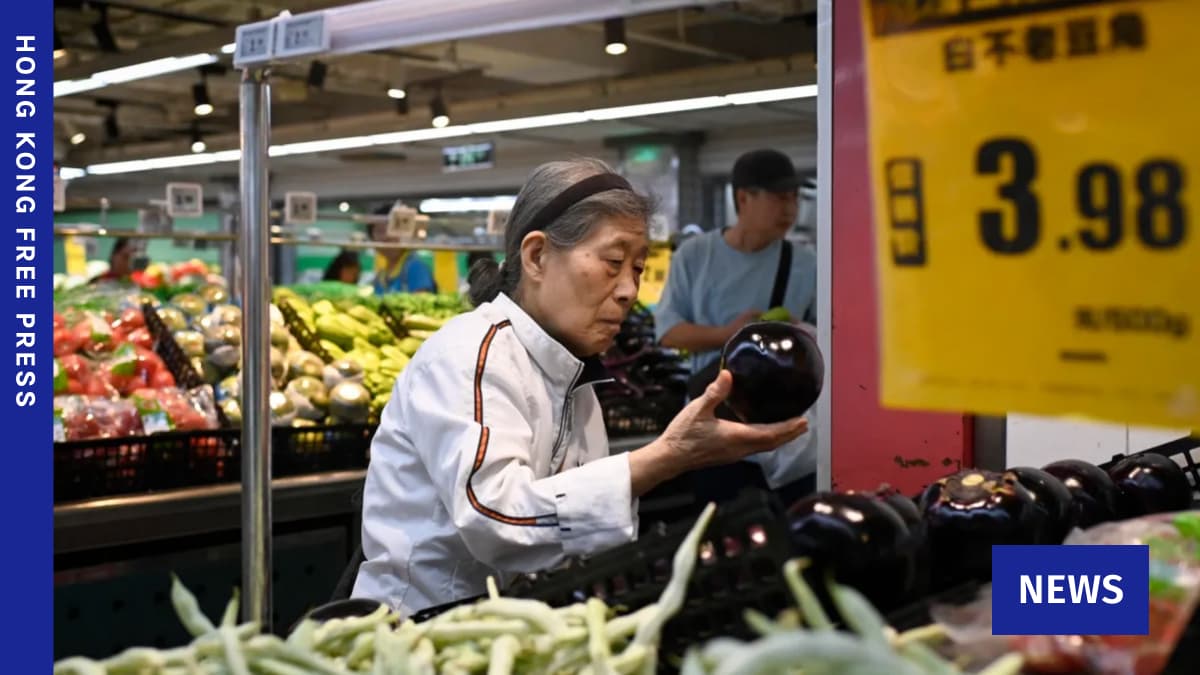
China’s Consumer Prices Rise on Iran War Oil Squeeze
Why It Matters
The modest CPI uptick shows that even a sharp oil shock from the Iran war is unlikely to trigger broad‑based inflation, limiting pressure on the People’s Bank of China to tighten policy.
Key Takeaways
- •CPI up 1.2% YoY in April, driven by oil and travel
- •Domestic gas prices jumped 19.3% YoY amid global commodity spikes
- •PPI rose 2.8% YoY, fastest since July 2022
- •Inflation remains below 2% target, deflation risk persists
- •Overcapacity and weak demand limit broader reflation prospects
Pulse Analysis
The April inflation data underscores how external energy shocks can briefly lift China’s consumer prices, but the effect remains narrow. A surge in crude oil prices following the Iran conflict pushed fuel‑related costs higher, feeding into a 1.2% CPI increase and a 19.3% jump in domestic gas prices. Yet the broader basket of goods stayed subdued, keeping overall inflation well under the 2% ceiling the government has set for the year. This pattern mirrors previous episodes where commodity spikes raised headline numbers without translating into sustained consumer‑price momentum.
On the wholesale side, the producer price index accelerated to 2.8% YoY, marking the quickest pace since mid‑2022. The rebound reflects recovering factory gate prices, especially in sectors tied to petroleum processing and raw‑material manufacturing. However, the gains are offset by lingering overcapacity in many industries and a tepid domestic demand outlook. Analysts caution that without structural demand improvements, the PPI surge may prove transitory, and the economy could revert to deflationary pressures that have haunted growth forecasts since late 2022.
For policymakers, the mixed signals present a delicate balancing act. The People’s Bank of China faces limited impetus to raise rates, as core inflation remains modest and the risk of a broader price spiral appears low. At the same time, the persistent gap between actual inflation and the 2% target suggests that monetary easing may be needed to support demand. International investors will watch how China navigates these dynamics, given the country’s outsized influence on global supply chains and commodity markets.
China’s consumer prices rise on Iran war oil squeeze
Comments
Want to join the conversation?
Loading comments...