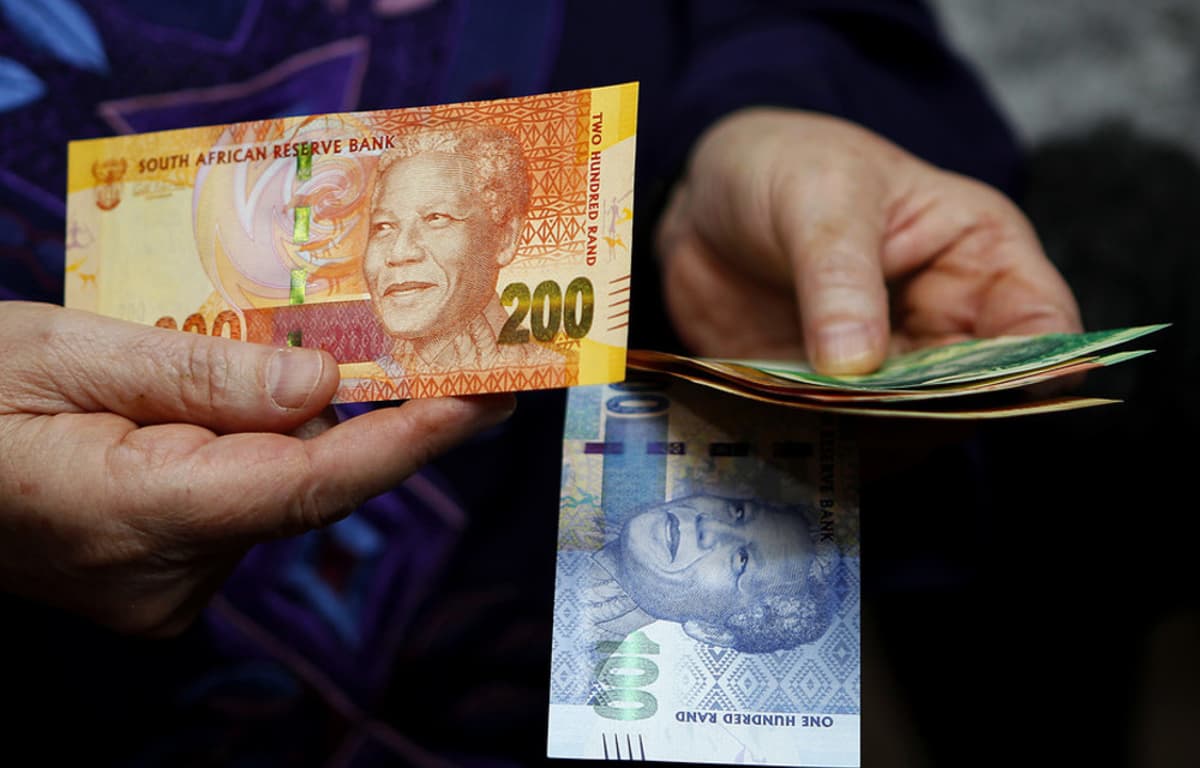
Consumers Face Double Blow as Inflation Rises and Rate Fears Return
Companies Mentioned
Why It Matters
Higher inflation heightens the risk of tighter interest rates, which could strain already vulnerable consumers and curb investment, slowing South Africa’s fragile economic recovery.
Key Takeaways
- •April consumer inflation hit 4%, mid‑point of SARB target
- •Fuel price surge identified as primary driver of price rise
- •Economists warn rate hikes may not curb import‑linked inflation
- •Higher rates could strain households and dampen investment
- •Rand weakness may broaden inflation beyond fuel
Pulse Analysis
The April inflation report underscores how external shocks have re‑entered South Africa’s price dynamics. Global oil markets, rattled by geopolitical tensions in the Middle East, pushed fuel costs higher, feeding directly into transport and food prices. Coupled with a depreciating rand, these forces lifted headline inflation back to 4%, squarely in the middle of the South African Reserve Bank’s 3‑6% target band. While the figure remains within the formal range, the speed of the increase has revived concerns about the central bank’s credibility and its commitment to anchoring inflation near the lower end of the band.
Monetary policymakers now face a classic dilemma: rate hikes are effective against demand‑driven inflation but less so when price pressures stem from imported commodities. Analysts like Daniel Meyer argue that tightening could suppress consumer spending and investment without addressing the root cause—fuel price volatility. For borrowers, a higher repo rate would translate into steeper loan repayments, exacerbating debt burdens already stretched by weak wage growth. Meanwhile, businesses could see reduced capital spending, further dampening growth prospects in an economy still wrestling with high unemployment.
Looking ahead, the SARB may adopt a more hawkish tone, signalling readiness to act if oil prices stay elevated or the rand continues to weaken. However, some experts suggest complementary fiscal tools, such as temporary relief on the fuel levy, to cushion households directly. Investors should monitor both monetary signals and any policy shifts aimed at mitigating external inflationary shocks, as these will shape credit conditions, consumer confidence, and ultimately the trajectory of South Africa’s recovery.
Consumers face double blow as inflation rises and rate fears return
Comments
Want to join the conversation?
Loading comments...