Why It Matters
The energy shortfall and renewed U.S. pressure threaten millions of Cubans and jeopardize Cuba’s vital medical diplomacy, reshaping Caribbean geopolitics and domestic stability.
Key Takeaways
- •Russian tanker Anatoly Kolodkin delivered 730,000 barrels, 10‑day supply
- •US destroyer enforces blockade, heightening Caribbean tensions
- •Cuba’s medical missions have served 8 million patients in Jamaica
- •Racial disparities persist despite revolutionary promises, fueling social unrest
- •Trump’s rhetoric signals potential escalation of US pressure on Havana
Pulse Analysis
The arrival of the Russian‑flagged tanker Anatoly Kolodkin in Matanzas marks the first oil shipment to Cuba in three months, delivering roughly 730,000 barrels—just enough to keep power plants running for ten days. The cargo underscores Moscow’s willingness to bypass U.S. sanctions and keep the grid humming, even as a U.S. destroyer patrols the Caribbean to enforce a blockade that has been in place since 1962. Energy scarcity fuels hospital outages, water shortages and a looming humanitarian emergency, while the naval standoff signals a broader contest for influence in the Western Hemisphere.
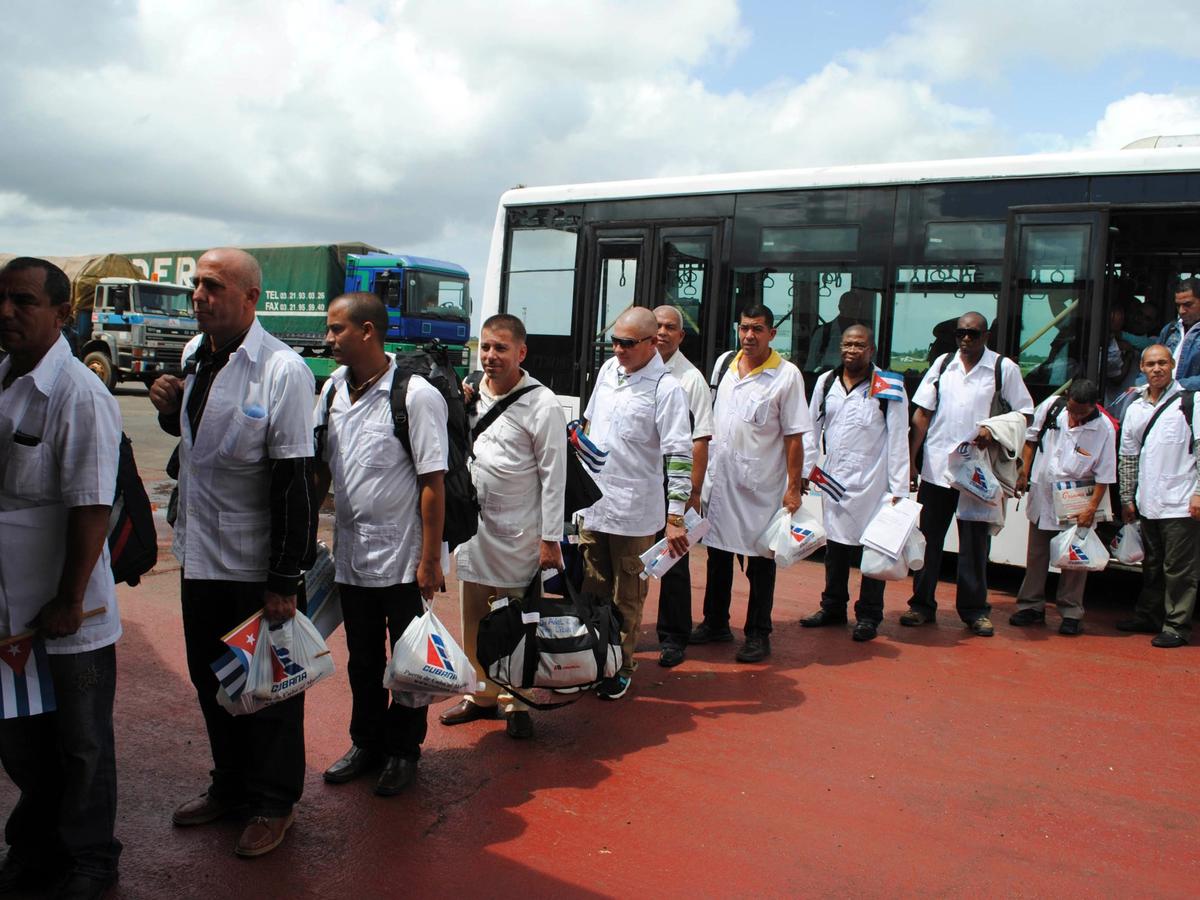
Cuba’s response to the crisis cannot be understood without recalling its decades‑long medical diplomacy. From sending over 300 health workers to West Africa during the 2014 Ebola outbreak to operating more than 30 field hospitals after Pakistan’s 2023 earthquake, the island has exported expertise that saved millions. In Jamaica alone, Cuban doctors treated eight million patients and performed 74,000 surgeries, a program now threatened by U.S. pressure that forced the withdrawal of 277 staff. The disruption of this network not only harms Caribbean health systems but also erodes a rare pillar of South‑South solidarity.
Domestically, the energy shortfall amplifies long‑standing racial and economic gaps that the Revolution never fully closed. Black Cubans, who remain over‑represented in informal economies and under‑represented in state institutions, have led the largest protests since 2021, demanding “patria y vida” and an end to repression. U.S. political rhetoric, exemplified by former President Trump’s boast of “taking” Cuba, risks inflaming tensions and justifying harsher enforcement measures. A policy shift that balances humanitarian aid with diplomatic engagement could preserve critical health collaborations while addressing the island’s energy needs and the underlying social inequities.
Cuba sent doctors. Washington sent a destroyer.
Comments
Want to join the conversation?
Loading comments...