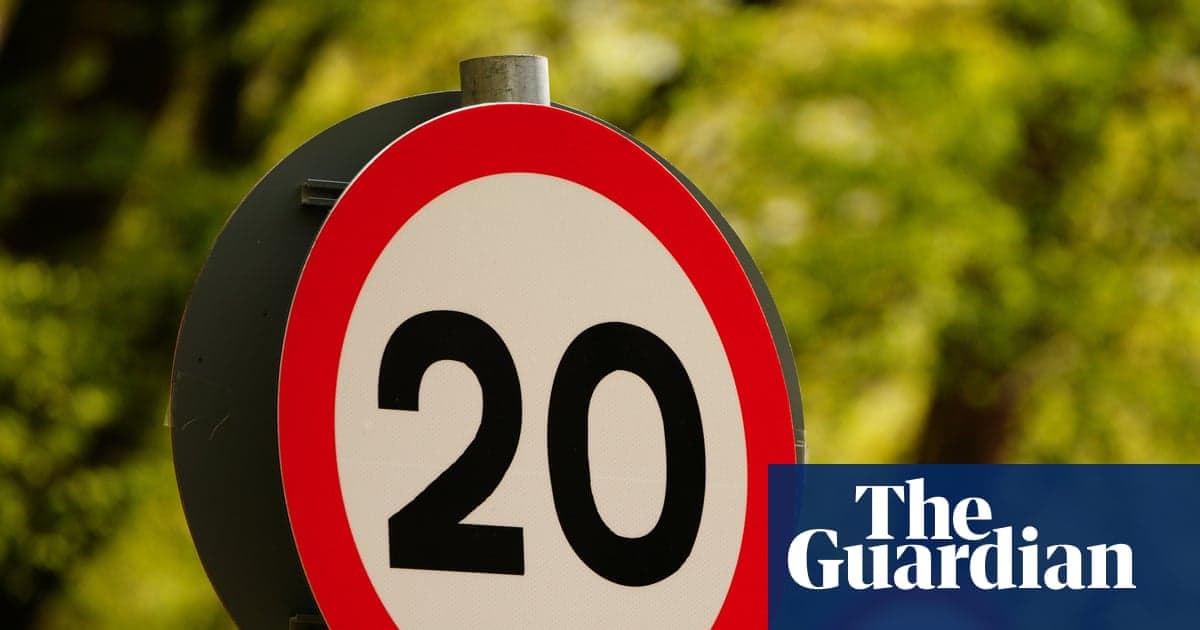
Cut UK Speed Limits to Reduce Iran War Impact on Consumers, Thinktank Urges
Why It Matters
Lowering speed limits and easing fuel taxes directly tackles the inflationary pressure from higher oil costs, protecting consumer purchasing power and stabilising the broader economy. The proposal also offers a cost‑effective alternative to more expansive fiscal stimulus, reducing the risk of higher interest rates and public‑debt strain.
Key Takeaways
- •IPPR proposes 20 mph urban, 60 mph motorway caps
- •Cuts aim to slash fuel demand amid Iran‑driven oil shock
- •Suggested 10‑p fuel duty cut and $6.35 bn price‑cap package
- •Estimated inflation drop up to 2 percentage points, easing rate hikes
- •Treasury could lose £8 bn (~$10.2 bn) without intervention
Pulse Analysis
The IPPR’s speed‑limit proposal arrives at a moment when the Middle‑East conflict has pushed Brent crude to its highest levels since 2022, sending pump prices sharply upward. By capping urban speeds at 20 mph and motorways at 60 mph, the UK could reduce fuel consumption by an estimated 5‑7%, easing pressure on household budgets already strained by an energy‑price cap of roughly $2,540 per year. This approach mirrors the International Energy Agency’s emergency recommendations, which view reduced vehicle mileage as a quick‑acting lever to temper demand while the supply side remains volatile.
Beyond the immediate fuel savings, the IPPR pairs speed reductions with a 10‑pence per litre cut to fuel duty and a targeted price‑cap scheme, costing about $6.35 bn annually. Compared with the $96.5 bn spent during the 2022 energy crisis, the plan represents a modest fiscal outlay that could prevent the Treasury from losing up to $10.2 bn in revenue and avoid a projected 2‑percentage‑point inflation surge. By keeping inflation below the Bank of England’s 5‑percent tolerance, the measures could spare the central bank from raising rates beyond the current 3.75%, preserving borrowing conditions for businesses and households.
Politically, the suggestion faces headwinds; a recent BBC poll showed over half of Britons oppose permanent 20 mph zones despite a 10 % drop in road casualties after Wales’ trial. Yet the IPPR frames the policy as a temporary, crisis‑driven tool, bundled with incentives for remote work and car‑pooling. If adopted, it could set a precedent for using transport policy as an economic stabiliser, linking climate‑friendly speed limits with consumer protection in a post‑pandemic, energy‑uncertain landscape.
Cut UK speed limits to reduce Iran war impact on consumers, thinktank urges
Comments
Want to join the conversation?
Loading comments...