Cuts to Overseas Aid Will Worsen Shocks to Global Economy, David Miliband Says
Why It Matters
Reduced aid erodes the safety net that stabilizes fragile economies, heightening global recession risk and diminishing donor nations’ strategic influence.
Key Takeaways
- •OECD reports $174.3 bn aid cuts by rich nations in 2025.
- •UN warns 32.5 million could fall into poverty from Iran war.
- •Miliband calls aid cuts “food security timebomb” amid fertilizer blockade.
- •US and UK aid reductions threaten global economic stability.
- •Aid is a strategic “good investment” for Britain, Miliband says.
Pulse Analysis
The wave of overseas‑aid reductions sweeping the United States, United Kingdom, Germany, France and other advanced economies reflects a fiscal pivot toward higher defense spending and debt‑service concerns. OECD figures reveal a $174.3 billion contraction in aid for 2025, roughly a 25% drop from the prior year, underscoring a broader retreat from the post‑World‑II development model. While policymakers cite budget constraints, the cumulative effect is a shrinking pool of resources that traditionally underpins humanitarian response, health initiatives, and climate‑resilience projects in low‑income nations.
These cuts arrive at a volatile moment. The Iran‑triggered conflict has choked the Strait of Hormuz, spiking global energy and fertilizer prices and igniting a “food security timebomb” that threatens widespread hunger. The United Nations estimates that 32.5 million people could be pushed into poverty as a direct fallout, a figure that would likely swell without the stabilising cushion that foreign aid provides. Historical evidence shows that timely assistance can blunt refugee flows, reduce inflationary pressures in import‑dependent economies, and preserve social cohesion, thereby limiting the spill‑over of instability into richer markets.
Beyond the humanitarian calculus, aid serves as a strategic instrument of soft power. The United States historically positioned itself as a “global anchor,” leveraging development assistance to build alliances, open markets and counter rival influence. Britain’s own aid budget, though politically contentious, has been framed as a “good investment” that aligns moral imperatives with economic returns. Reversing the current trajectory could restore credibility, reinforce multilateral institutions like the IMF and World Bank, and safeguard long‑term global growth. Policymakers face a clear choice: treat aid cuts as short‑term savings or recognize them as a costly gamble with worldwide economic stability.
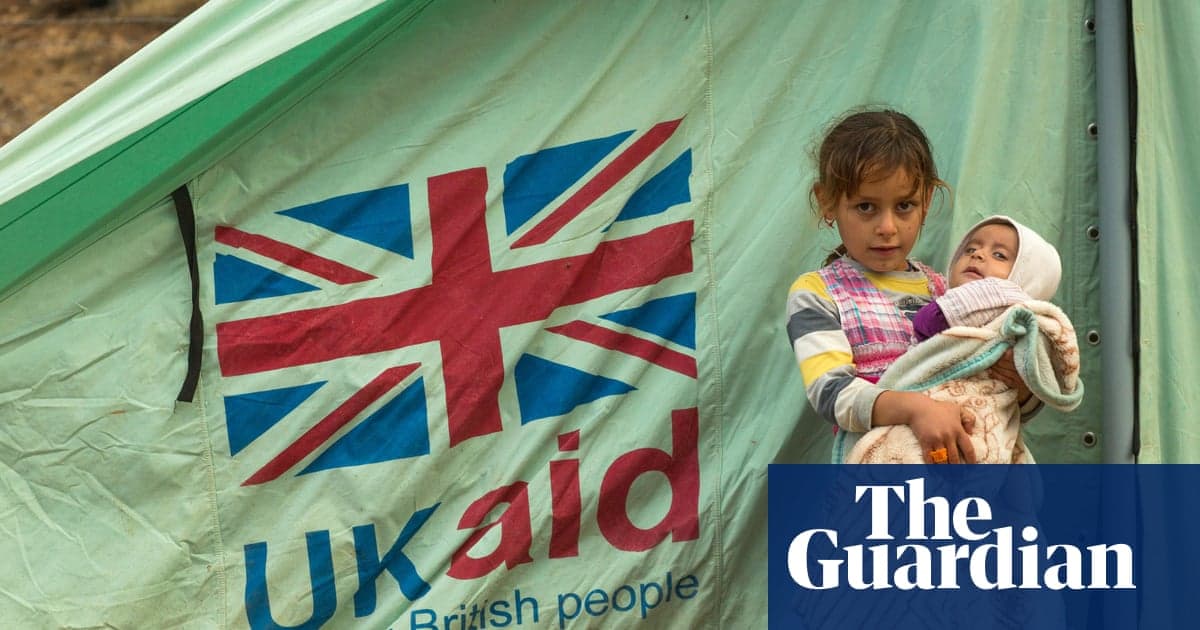
Cuts to overseas aid will worsen shocks to global economy, David Miliband says
Comments
Want to join the conversation?
Loading comments...