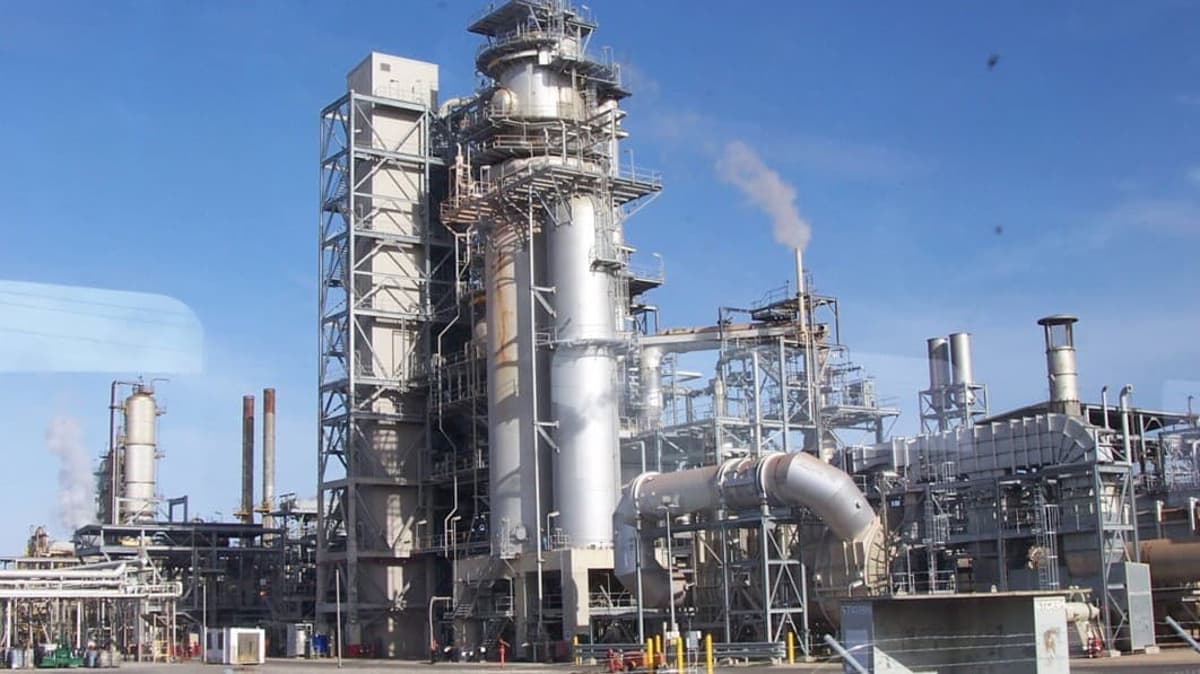
Dangote at Full Throttle as Nigeria Becomes a Net Fuel Exporter
Companies Mentioned
Why It Matters
By turning a crude‑exporting nation into a net fuel exporter, Dangote boosts Nigeria’s trade balance and offers Europe a reliable supply source amid tightening inventories, while signaling a shift toward private‑sector‑driven downstream growth in Africa.
Key Takeaways
- •Dangote refinery ran at 94% capacity, covering Nigeria’s gasoline demand
- •Nigeria exported 55,000 b/d gasoline and 100,000 b/d jet fuel in March
- •Freight costs curb additional diesel and jet fuel exports to Europe
- •Dangote aims to double capacity to 1.4 million b/d by 2028, adding petrochemicals
- •Crude supply disruptions force blending imported WTI with domestic Nigerian oil
Pulse Analysis
Nigeria’s refining landscape has long been dominated by three moribund state plants, leaving the country dependent on imported fuels despite being a major crude exporter. The commissioning of the 650,000‑bpd Dangote refinery in early 2024 abruptly altered that equation. By March 2026 the complex was running at roughly 94% of its design capacity, producing enough gasoline to satisfy the nation’s estimated 300,000 b/d demand and generating a surplus that turned Nigeria into a net gasoline exporter for the first time. This rapid scale‑up underscores how private investment, coupled with modern technology, can overcome chronic infrastructure decay that has plagued Africa’s downstream sector.
The timing of Dangote’s surge coincides with an unprecedented squeeze in refined‑product markets worldwide. Jet fuel crack spreads in Europe have hovered between $86 and $108 per barrel, while ARA inventories sit at multi‑year lows, prompting buyers to seek alternative sources. Leveraging its high‑margin jet output, Dangote has already shipped about 100,000 b/d of jet fuel, with roughly half destined for France, Spain and the UK. However, freight costs of $8.5‑$10 per barrel for Aframax and smaller vessels erode part of the arbitrage, especially for diesel, which remains largely bound for regional African markets. The logistics bottleneck highlights the delicate balance between market incentives and transportation economics.
Looking ahead, Dangote’s roadmap to double capacity to 1.4 million b/d by 2028 includes a petrochemical hub capable of producing 750,000 t/yr of propylene and 400,000 t/yr of detergents. This vertical integration aims to capture higher‑value margins and reduce reliance on volatile crude imports, as the refinery currently blends one‑third imported WTI with two‑thirds domestic crude. Yet, supply chain risks—pipeline theft, inconsistent NNPC deliveries, and policy shifts—remain. If freight rates stabilize and European margins stay elevated, Nigeria could evolve from a regional fuel hub to a strategic node in global fuel supply chains, reshaping trade flows and encouraging further private investment across Africa’s energy value chain.
Dangote at Full Throttle as Nigeria Becomes a Net Fuel Exporter
Comments
Want to join the conversation?
Loading comments...