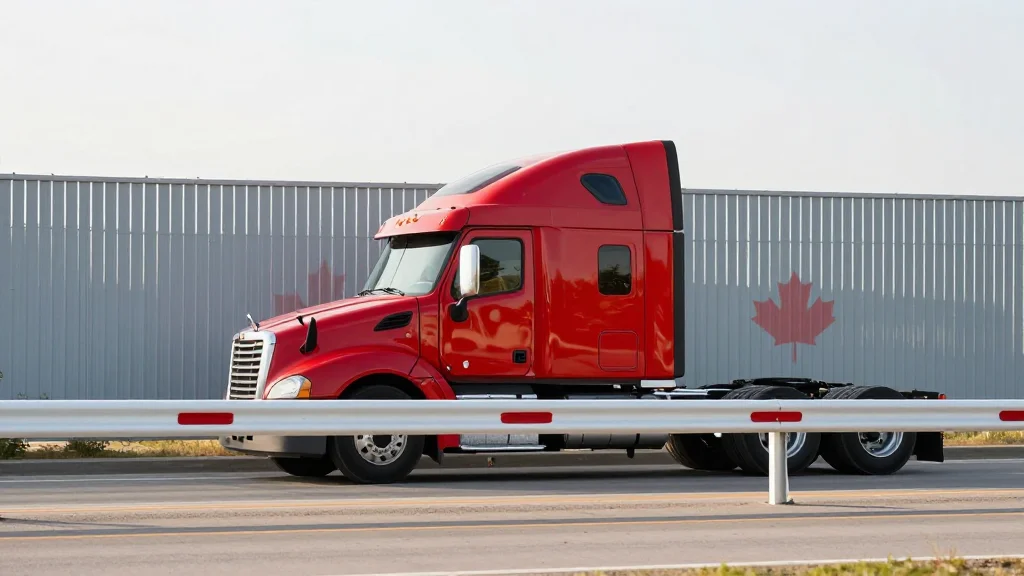
Do U.S. Automakers Have a Future in Canada?
Companies Mentioned
Why It Matters
Tariff‑driven disruptions threaten thousands of Canadian auto jobs and force U.S. manufacturers to rethink supply‑chain strategies, reshaping the continent’s automotive future.
Key Takeaways
- •U.S. auto exports to Canada fell 15% after 2018 tariffs.
- •GM, Ford, Stellantis cut Canadian production capacity since 2019.
- •Canada seeks EV partnerships to offset declining ICE vehicle demand.
- •Policy uncertainty threatens thousands of auto jobs in Ontario.
Pulse Analysis
The United States and Canada have long shared a symbiotic automotive ecosystem, with Detroit‑based firms relying on Ontario’s skilled labor and logistics hub to fuel North‑American production. That interdependence was cemented by the 1990s‑era Canada‑U.S. Auto Agreement, which allowed duty‑free parts movement and helped U.S. manufacturers capture a sizable share of Canadian exports. However, the 2018‑2020 tariff regime introduced by the Trump administration—targeting a broad range of vehicles and components—has eroded that advantage, prompting a measurable decline in cross‑border shipments and a reassessment of plant footprints.
The immediate fallout is evident on the factory floor. GM’s Oshawa plant, once a marquee of unionized production, has seen output trimmed and workforce reductions, while Ford and Stellantis have shuttered or idled facilities in the Windsor‑Oakville corridor. The contraction coincides with a broader industry pivot toward electric vehicles (EVs), a segment where Canada is positioning itself as a battery‑materials supplier rather than a traditional assembly hub. Automakers are now courting Canadian firms for EV battery packs and software, hoping to offset the loss of internal‑combustion‑engine (ICE) volume with greener technology partnerships.
Looking ahead, the sector’s resilience will hinge on policy clarity and strategic investment. If Washington eases tariff pressures or negotiates a new automotive trade framework, U.S. firms could revive Canadian production lines, especially for EV components that benefit from local sourcing incentives. Conversely, prolonged uncertainty may accelerate the migration of supply‑chain nodes to Mexico or the United States, reshaping employment patterns in Ontario. Canadian policymakers are therefore courting both domestic EV initiatives and bilateral talks to safeguard jobs while aligning with the global shift toward electrification.
Do U.S. Automakers Have a Future in Canada?
Comments
Want to join the conversation?
Loading comments...