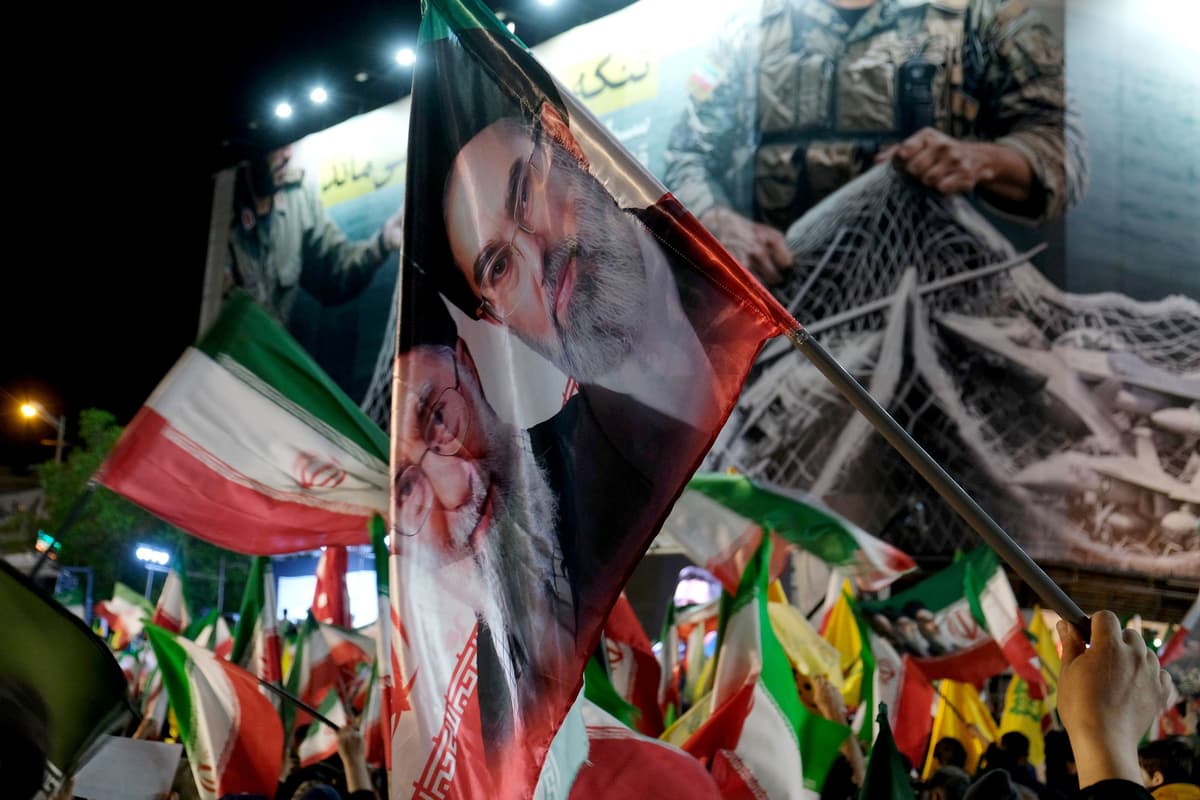
Donald Trump’s Lose-Lose Negotiations with Iran
Why It Matters
The impasse threatens global oil supplies, inflates energy prices, and forces the U.S. to balance geopolitical goals with domestic political costs.
Key Takeaways
- •Trump cancelled Islamabad trip, maintaining Iran blockade
- •Iran can sustain oil exports to China for 2‑3 months
- •Both sides refuse unconditional surrender, creating lose‑lose stalemate
- •Talks hint at toll consortium for Strait of Hormuz
- •Revolutionary Guard now dominates Iran’s strategic decisions
Pulse Analysis
The Trump administration’s hard‑line stance on Iran has reignited a geopolitical tinderbox in the Middle East. By extending a fragile cease‑fire while keeping the Strait of Hormuz effectively sealed, the United States has forced Iran into a high‑stakes game of chicken. The blockade has already squeezed global oil markets, prompting airlines to curtail flights and pushing petrochemical prices higher across Asia. As the U.S. grapples with domestic political pressure ahead of the World Cup and a planned visit to China’s President Xi, the economic fallout from the standoff could ripple through supply chains worldwide.
Inside Tehran, the power balance has shifted dramatically. The death of Ayatollah Khamenei’s son and the injury of the new Supreme Leader have elevated the Islamic Revolutionary Guard Corps to the forefront of decision‑making. This new guard‑centric leadership is less inclined toward cautious diplomacy and more willing to test U.S. resolve, as evidenced by recent overtures to Pakistan, Oman, and Russia. Without a face‑saving pathway, Trump’s demand for unconditional Iranian surrender clashes with Tehran’s insistence on sovereignty over the Strait, stalling any meaningful progress.
The broader implications extend beyond regional security. Prolonged disruption of oil flow threatens to elevate global fuel costs, exacerbate food price volatility in the Global South, and undermine investor confidence. Analysts argue that a pragmatic compromise—such as a joint toll‑collection consortium for the Strait—could defuse tension while preserving strategic interests for both parties. Ultimately, the conflict underscores the limits of pressure‑only tactics and highlights the urgent need for a diplomatic framework that allows both the United States and Iran to save face and stabilize the world economy.
Donald Trump’s Lose-Lose Negotiations with Iran
Comments
Want to join the conversation?
Loading comments...