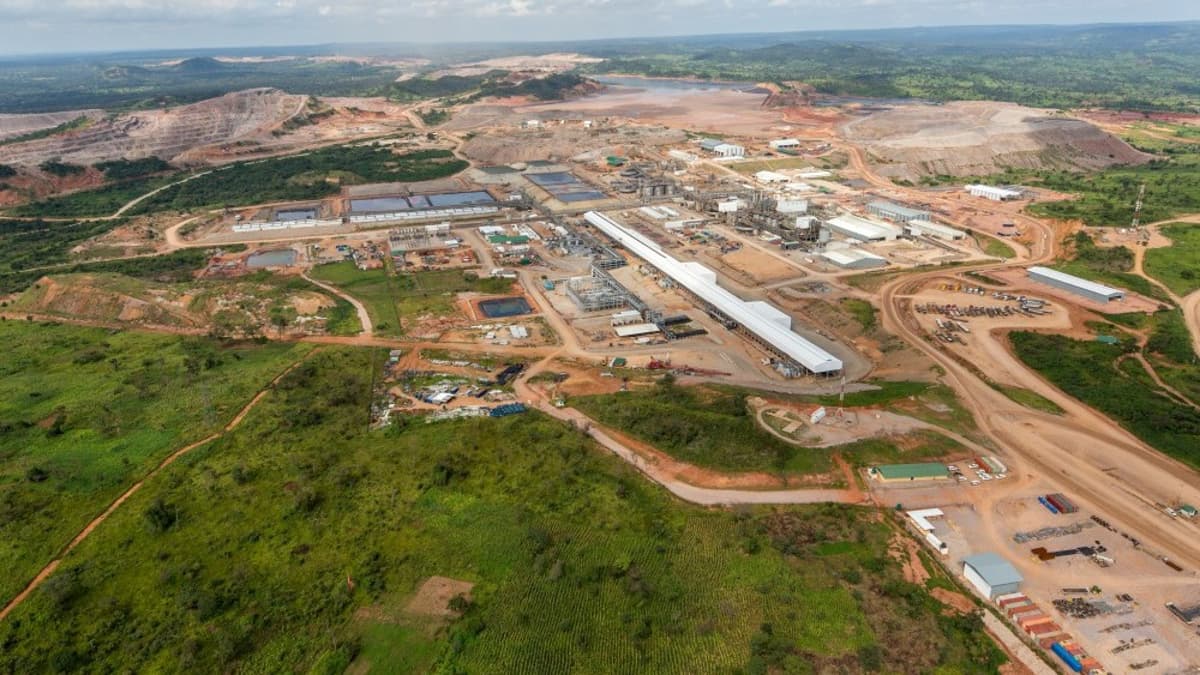
DR Congo’s Cobalt Miners Pivot To Copper Amid Price Crash
Companies Mentioned
Why It Matters
The pivot reshapes the battery‑metal supply chain, tightening cobalt availability while bolstering copper markets that underpin the EV and AI infrastructure boom.
Key Takeaways
- •DRC export quotas limit cobalt to 96,600 t in 2026‑27.
- •Glencore’s cobalt output fell 39% YoY, copper rose 19% Q1 2026.
- •CMOC maintains 100‑120 k t cobalt, targets 31,200 t export quota.
- •Copper prices hover $14,500/tonne, supply tightening spurs DRC shift.
- •DRC mining export value projected to rise 24% by 2027.
Pulse Analysis
The Democratic Republic of Congo, responsible for roughly 70% of global cobalt, has moved from a blanket export ban to precise annual quotas of 96,600 tonnes for 2026‑27. The shift follows a steep price decline from a post‑COVID peak of $77,000 per metric ton to a nine‑year low of $22,000 in 2025. By limiting shipments, the government hopes to tighten global supply, raise prices, and encourage downstream processing within its borders, a strategy that could add an estimated 24% to export earnings by 2027.
Major miners are reacting in divergent ways. Glencore, the Swiss conglomerate, slashed its DRC cobalt output by 39% in the first quarter of 2026, relying on existing inventories to meet quota obligations, while copper production rose 19% as the firm pivots to the higher‑margin metal. CMOC, a Chinese‑controlled miner, maintains an aggressive cobalt target of 100‑120 kilotonnes for 2026, supported by a 31,200‑tonne export allowance, and leverages soaring copper prices—around $14,500 per tonne—to boost profitability. The company reported net income of roughly $2.8 billion in Q1 2025, a 50% increase driven largely by copper gains.
Globally, the move reverberates through the battery and EV supply chain. Copper demand is accelerating as AI data centers, electrified transportation, and renewable‑energy storage require massive wiring and heat‑dissipation solutions. Simultaneously, cobalt’s role in high‑energy‑density batteries makes its scarcity a pricing lever for EV manufacturers. By rebalancing production toward copper and tightening cobalt exports, the DRC is positioning itself as a more resilient supplier of critical metals, while also nudging the industry toward greater on‑site processing and value‑addition, a trend that could reshape investment flows across the battery‑materials ecosystem.
DR Congo’s Cobalt Miners Pivot To Copper Amid Price Crash
Comments
Want to join the conversation?
Loading comments...