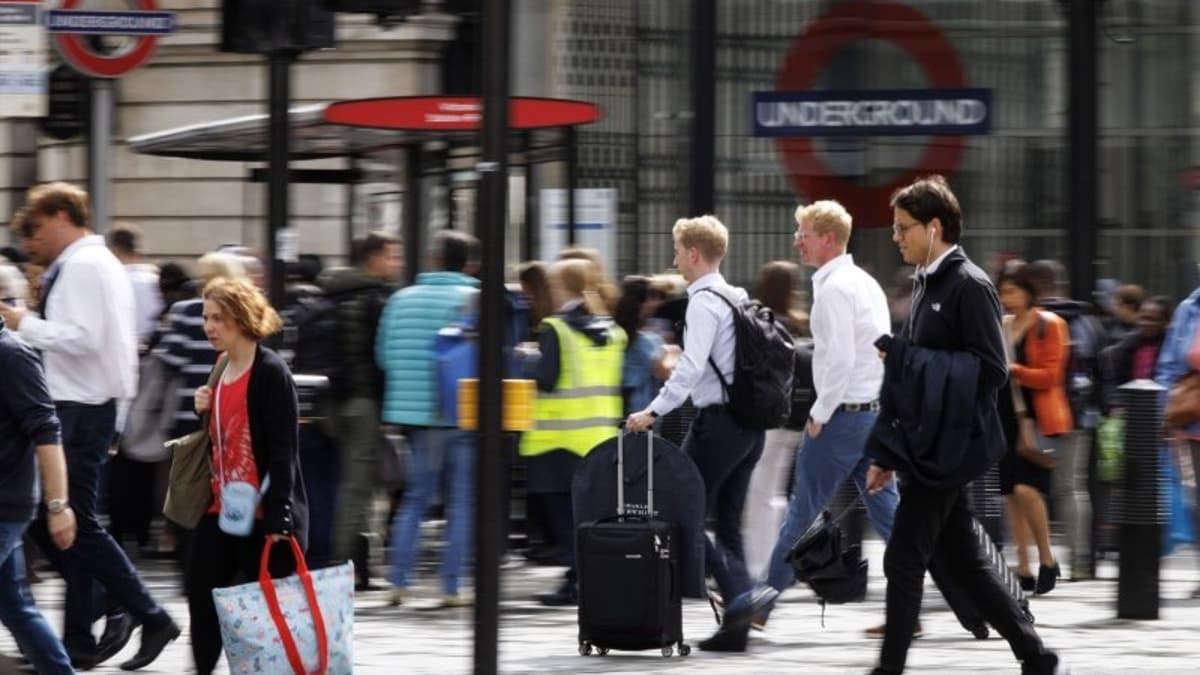
Drop in UK Unemployment Isn’t All It Seems
Why It Matters
The headline drop in unemployment masks underlying labour‑market weakness, signaling tighter consumer spending and limited wage‑growth potential. Policymakers must weigh this fragility when shaping monetary policy amid an energy‑price shock.
Key Takeaways
- •Unemployment fell to 4.9% due to rising economic inactivity.
- •Private sector payrolls dropped 1.6% annualized, led by hospitality and retail.
- •Recent NI tax and minimum‑wage hikes hurt employment more than inflation.
- •Private‑sector pay growth slowed to 3.2%, near BoE’s 2% target.
- •BoE likely to hold rates at 3.75% amid fragile labour market.
Pulse Analysis
The latest Office for National Statistics release shows the UK unemployment rate edging lower, yet the improvement is largely statistical. A surge in "economic inactivity"—people neither working nor seeking work—especially among students, accounts for most of the dip. This nuance matters because it suggests the labour market is not absorbing new talent, and the pool of available workers is shrinking, which could constrain future growth once economic conditions stabilize.
Meanwhile, private‑sector payroll data paints a bleaker picture. PAYE figures reveal a 1.6% annualised contraction in employment across consumer‑facing services, with hospitality and retail bearing the brunt. Analysts link this decline to last year’s higher National Insurance contributions and a rise in the minimum wage, policy moves that have proven more disruptive than inflationary pressures. As energy costs climb again, firms may face tighter margins, prompting further hiring freezes or cuts.
The wage‑growth story adds another layer of concern. Private‑sector earnings have slowed to 3.2%, aligning closely with the Bank of England’s 2% inflation target but leaving real wages vulnerable as headline inflation nudges toward 4% in the third quarter. With a fragile labour market and limited wage‑price momentum, the central bank is likely to keep the policy rate steady at 3.75% rather than risk stoking inflation with additional hikes. Stakeholders should monitor these dynamics as they will shape consumer spending, corporate cost structures, and broader economic resilience.
Drop in UK unemployment isn’t all it seems
Comments
Want to join the conversation?
Loading comments...