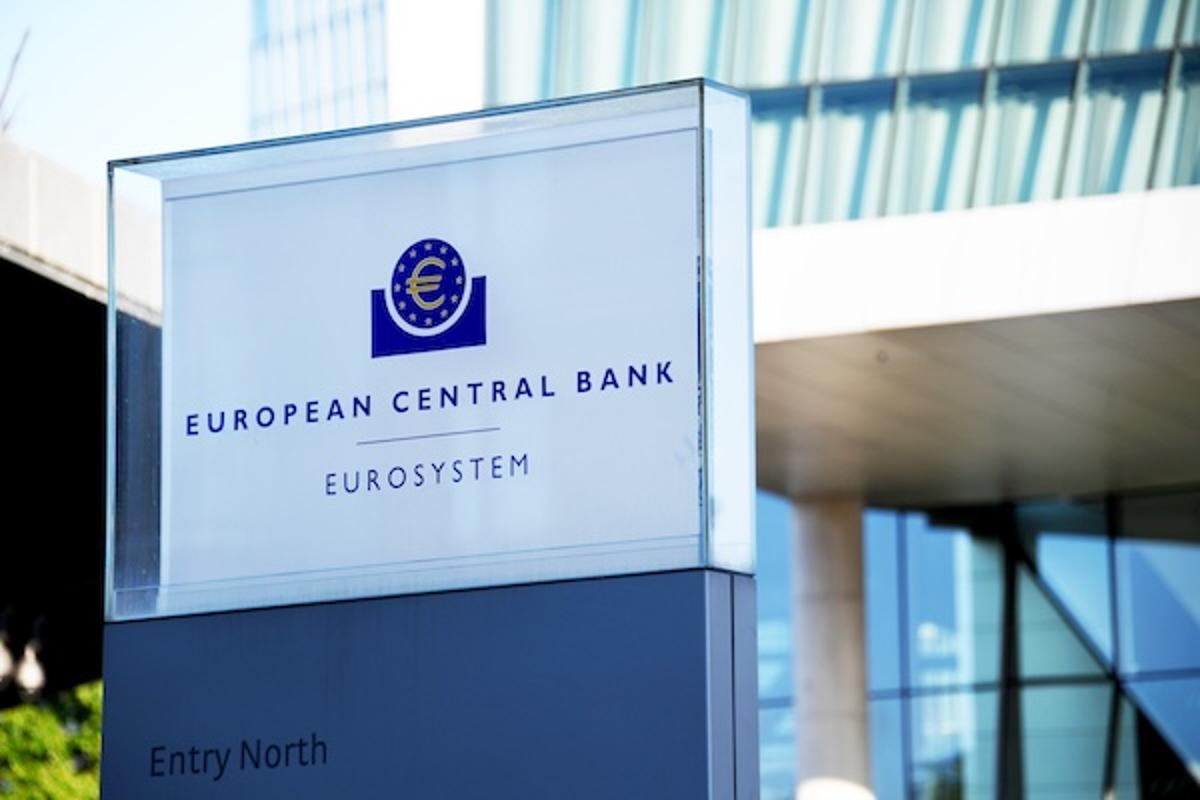
ECB Flags Private Credit as Emerging Financial Stability Risk
Why It Matters
Regulatory warnings could tighten funding for private‑credit lenders, while the continued flow of private‑equity capital signals confidence in sector‑specific growth opportunities despite oversight pressures.
Key Takeaways
- •ECB warns private credit could destabilize European financial system
- •SEC highlights “emerging pressures” in US private credit market
- •EQT launches dedicated AI infrastructure investment strategy
- •CVC and GTCR propose $2bn take‑private of Teleflex
- •Kpler seeks minority stake at $5bn valuation
Pulse Analysis
Regulators in both Europe and the United States are turning a sharper eye toward private‑credit markets, which have ballooned into a multi‑trillion‑dollar asset class. The ECB’s recent bulletin warns that the rapid growth of non‑bank lending could amplify systemic risk if borrowers face tightening liquidity or if market participants lack adequate oversight. Across the Atlantic, the SEC’s "emerging pressures" alert underscores similar concerns about transparency, valuation practices, and the potential for cascading defaults. Together, these signals suggest that policymakers may soon introduce stricter reporting standards or capital requirements, potentially reshaping the funding landscape for private‑credit managers and their institutional investors.
Even as regulators raise alarms, private‑equity activity remains vigorous. EQT’s launch of an AI‑infrastructure strategy reflects a broader shift toward technology‑focused investments, capitalizing on the surge in demand for data centers and cloud services. Meanwhile, CVC and GTCR’s joint $2 billion bid to take Teleflex private illustrates confidence in consolidating niche medical‑device players despite macro‑economic headwinds. Kpler’s minority‑stake sale at a $5 billion valuation highlights the appetite for logistics and commodity‑trading platforms, while Azalea’s exploration of an evergreen fund model points to evolving capital‑raising structures that aim to retain assets longer and reduce fund‑cycle pressure.
The juxtaposition of regulatory scrutiny and robust deal‑making creates a nuanced outlook for the private‑equity ecosystem. Firms may need to bolster compliance frameworks and enhance disclosure to satisfy tighter oversight, yet the continued flow of capital into sector‑specific strategies—such as climate‑transition funds backed by UAE‑based Alterra and potential IPOs like Roark Capital’s Dunkin’ owner—suggests that investors are still seeking differentiated returns. Market participants that can navigate the emerging compliance landscape while deploying capital into high‑growth niches are likely to emerge as the next generation of private‑equity leaders.
ECB flags private credit as emerging financial stability risk
Comments
Want to join the conversation?
Loading comments...