Economic Crosscurrents Go Global as Energy Shock Meets AI Wave
Why It Matters
The split highlights divergent growth paths, forcing investors and policymakers to navigate a landscape where tech‑driven expansion coexists with energy‑driven constraints.
Key Takeaways
- •AI funding surge lifts trade and consumer spending in advanced economies
- •Iran war spikes oil prices, tightening energy supply globally
- •Energy shock curtails investment in energy‑intensive regions
- •Divergent trends create uneven growth across continents
- •Policymakers balance tech incentives with energy stability concerns
Pulse Analysis
The AI investment surge is reshaping global economic dynamics. Venture capital and corporate spending on artificial intelligence have topped $500 billion this year, fueling productivity gains and new business models. Sectors ranging from manufacturing to finance are seeing faster automation, which in turn lifts trade volumes and boosts consumer confidence in regions that can quickly adopt the technology. This momentum is especially evident in North America, Europe and parts of East Asia, where AI‑driven efficiencies translate into higher disposable incomes and stronger demand for digital services.
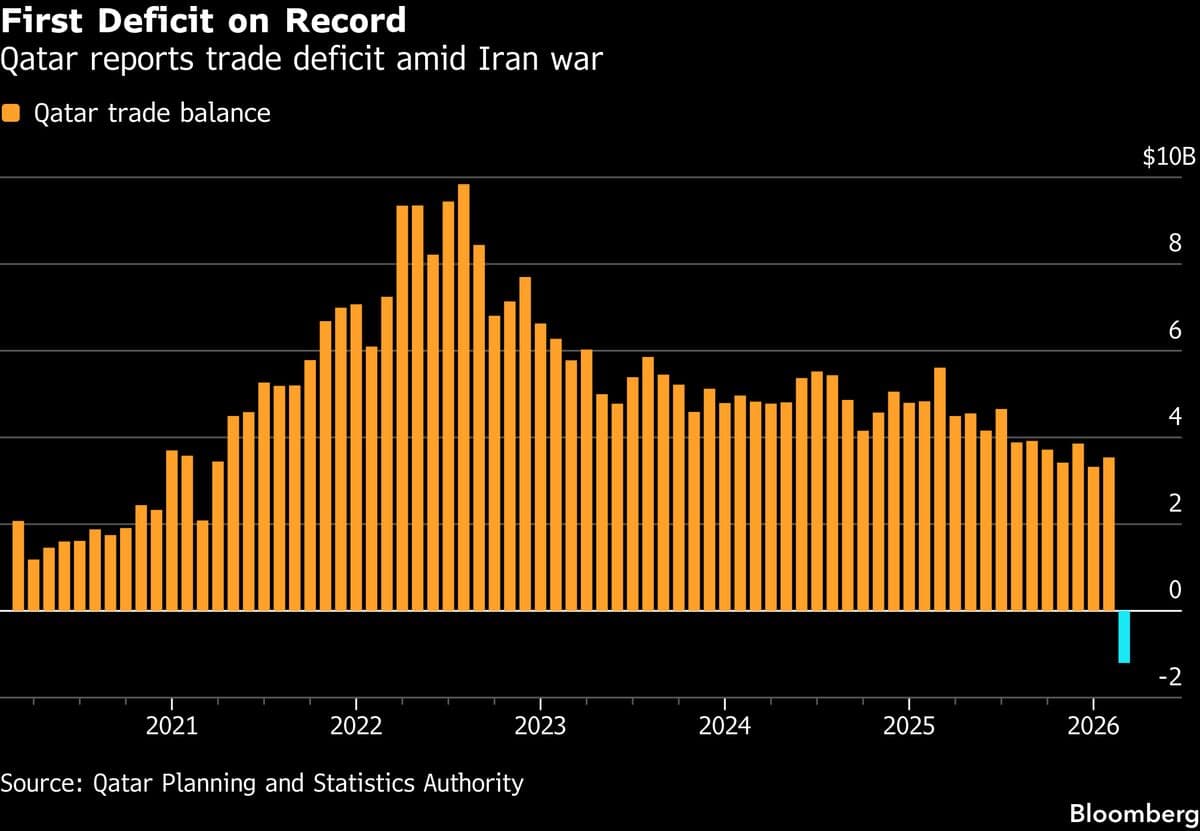
Conversely, the Iran war has ignited a fresh energy shock that reverberates through every corner of the economy. Oil prices have jumped more than 30% since the conflict began, tightening supply chains and inflating costs for transportation, chemicals and electricity‑intensive industries. Emerging markets that rely heavily on imported energy face heightened inflationary pressures, eroding real wages and curbing capital spending. The surge in energy costs also pressures corporate profit margins, prompting firms to delay expansion projects and reconsider supply‑chain strategies.
The juxtaposition of AI‑driven growth and energy‑driven slowdown forces policymakers to strike a delicate balance. While incentives for AI research and deployment can sustain the positive momentum, governments must also address energy security through diversified sources and strategic reserves. Investors are likely to favor companies that combine robust AI capabilities with resilient energy management, creating a new competitive frontier. Understanding how these opposing forces interact will be crucial for navigating the next phase of global economic development.
Economic Crosscurrents Go Global as Energy Shock Meets AI Wave
Comments
Want to join the conversation?
Loading comments...