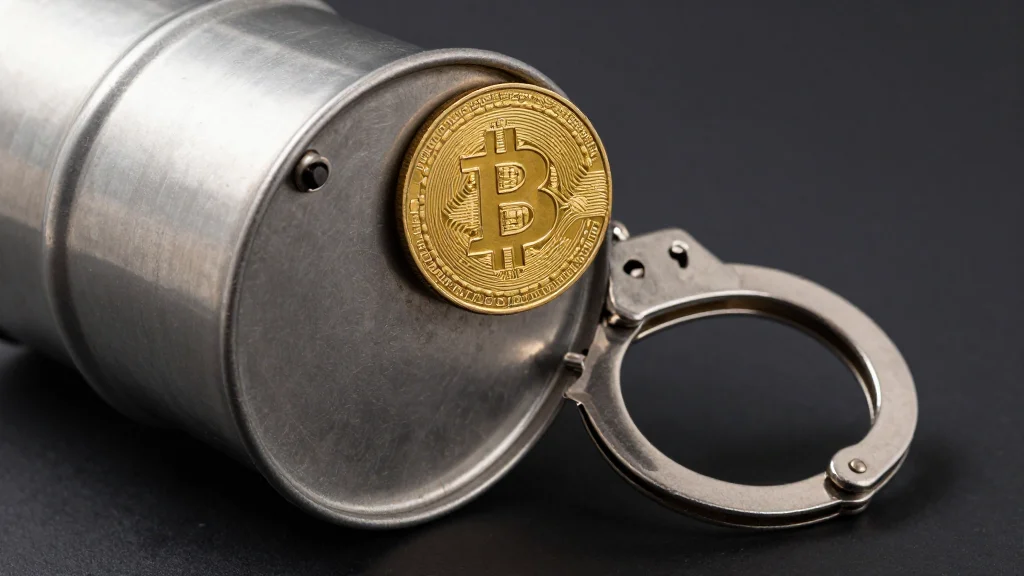
Economic Fury Tightens Stranglehold on Iranian Dark Fleet
Why It Matters
By cutting off crypto channels that fund Iran’s sanctioned oil fleet, the U.S. pressures the regime’s war chest and raises compliance costs for global counterparties, potentially curbing illicit revenue streams.
Key Takeaways
- •OFAC sanctioned Nobitex and three other top Iranian crypto exchanges
- •Nobitex handled over 50% of Iran's digital asset inflows in 2025
- •Designations freeze roughly $500 million in regime‑linked cryptocurrency
- •Iranian dark‑fleet oil shipments face delays and higher evasion costs
- •UAE tightens AML controls to avoid FATF gray‑list repercussions
Pulse Analysis
The latest OFAC designations mark a decisive escalation in the United States’ strategy to choke off Iran’s illicit financing. By targeting Nobitex—an exchange that moved more than half of Iran’s crypto inflows in 2025—the Treasury not only disrupts a critical conduit for IRGC‑linked payments but also sends a clear signal to the broader digital‑asset ecosystem. Financial institutions, airlines and other intermediaries now face heightened scrutiny and potential penalties for any dealings with the sanctioned platforms, prompting a rapid reassessment of compliance frameworks across the sector.
Beyond the immediate freeze of roughly $500 million in cryptocurrency, the sanctions reverberate through regional markets. The United Arab Emirates, eager to avoid placement on the Financial Action Task Force’s gray list, has intensified anti‑money‑laundering enforcement, curbing the use of front companies in Turkey and the UAE that previously facilitated Iranian oil trade. This shift forces Tehran’s dark‑fleet operators to seek alternative, less efficient channels, inflating transaction costs and delaying oil shipments. As a result, the already‑strained Iranian oil export logistics—evident in the idle tankers off Kharg and Kooh Mobarak—face further bottlenecks, eroding revenue at a time when the regime is desperate for cash to stave off domestic unrest.
For global stakeholders, the crackdown underscores the growing intersection of sanctions policy and cryptocurrency regulation. Companies that once viewed digital assets as a low‑risk bridge for sanctioned trade must now invest in robust monitoring tools and consider whistleblower incentives that offer up to 30% of collected penalties. The broader implication is a tightening of the financial net around Iran, compelling the regime to either find new, riskier financing avenues or negotiate concessions that could reshape its oil‑export strategy and regional diplomatic posture.
Economic Fury Tightens Stranglehold on Iranian Dark Fleet
Comments
Want to join the conversation?
Loading comments...