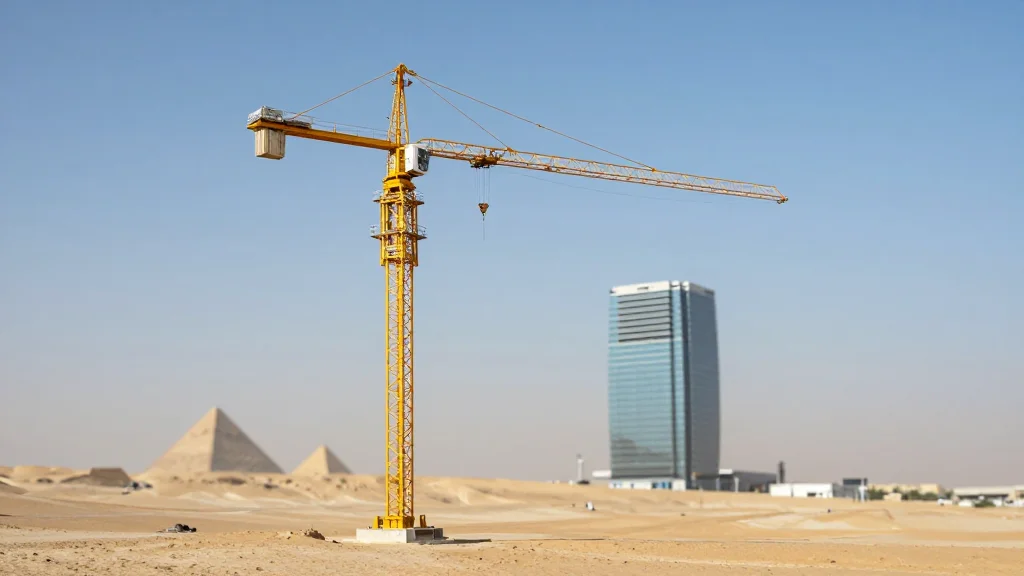
Egypt’s Bet on Land Monetization
Companies Mentioned
Why It Matters
Land‑monetization supplies immediate foreign‑currency inflows and eases debt‑service burdens, but without deeper fiscal consolidation Egypt’s macro‑economic stability remains at risk.
Key Takeaways
- •Egypt's external debt reached $163 billion, costing $8 billion annually.
- •Ras el‑Hekma deal brings $35 billion, Egypt keeps 35% stake.
- •Qatar Diar invests $30 billion; Egypt receives 15% post‑cost revenue share.
- •Chinese banks fund 85% of New Administrative Capital’s CBD towers.
- •Land sales boost foreign‑exchange but do not replace needed fiscal reforms.
Pulse Analysis
Egypt’s soaring external debt has become a fiscal time‑bomb, consuming a sizable share of the nation’s foreign‑exchange reserves and crowding out new borrowing for growth projects. Traditional reliance on IMF tranches and aid is giving way to a hybrid model where the state contributes underutilized desert and coastal land as equity, while sovereign‑wealth funds and Chinese banks supply capital and expertise. This asset‑monetization strategy mirrors earlier Gulf‑backed developments but operates on a far larger scale, positioning land as a strategic financial lever rather than merely a real‑estate asset.
The most visible outcomes are the mega‑projects along the Mediterranean coast and the New Administrative Capital east of Cairo. The ADQ‑led Ras el‑Hekma venture, valued at $35 billion, grants Egypt a 35 percent stake and an upfront cash infusion that bolsters the balance‑of‑payments position and eases pressure on the pound. Similarly, Qatar Diar’s $30 billion commitment at Alam el‑Aroum offers a 15 percent post‑cost revenue share, while Chinese banks underwrite 85 percent of the CBD towers in the capital, delivering both hard currency and a showcase of state‑capacity. These inflows improve debt‑service ratios and can unlock further financing, but they are essentially equity investments, not debt forgiveness.
Despite the short‑term fiscal relief, the approach carries structural risks. Revenue streams are contingent on project execution and market demand, and profit‑sharing arrangements may favor foreign partners if domestic capacity remains limited. Moreover, the IMF warns that without sustained fiscal consolidation—tax reform, subsidy rationalization, and a more business‑friendly climate—Egypt could slip back into a rent‑seeking model that masks underlying imbalances. Land sales alone cannot reverse the debt‑to‑GDP trajectory; they must be paired with reforms that broaden the tax base, contain deficits, and stimulate private‑sector growth to ensure lasting macro‑economic stability.
Egypt’s bet on land monetization
Comments
Want to join the conversation?
Loading comments...