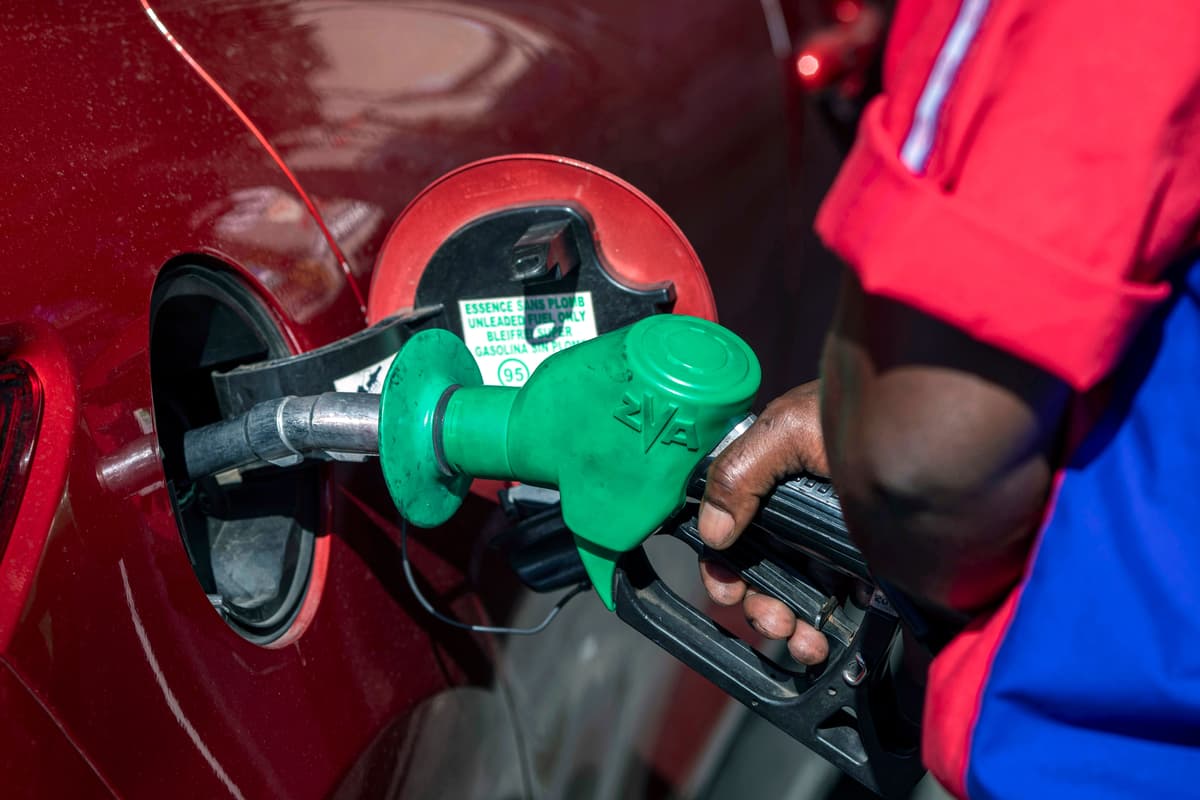
Energy Crisis Pushes South Africa Into Classic Policy Trap
Why It Matters
The looming removal of fuel subsidies could ignite inflation and erode household purchasing power, jeopardizing both economic stability and the ruling coalition’s electoral prospects. It also highlights how temporary relief measures can become entrenched fiscal liabilities, limiting policy flexibility.
Key Takeaways
- •Fuel levy cut costs R17bn ($1bn) but may become permanent
- •Social Relief grant grew to R200bn ($12bn), now core fiscal pillar
- •Sudden levy end could spike fuel prices, hitting low‑income commuters
- •High fuel costs risk inflation, freight, and farm production
- •Political pressure limits government from removing subsidies before elections
Pulse Analysis
The recent suspension of South Africa’s fuel levy was framed as a short‑term buffer against global price spikes tied to the Iran‑Ukraine conflict. At R17 billion, the fiscal hit is modest compared with the R200 billion social grant that has morphed from a six‑month pandemic stopgap into a permanent pillar of the national budget. By treating the levy cut as a temporary fix, policymakers risk repeating the classic policy trap where relief becomes expectation, eroding fiscal discipline and crowding out long‑term investments.
The Social Relief of Distress grant illustrates how emergency assistance can ossify into a political mainstay. Initially designed for six months, the program now supports 8.2 million recipients and consumes more than a third of the state’s annual education spending. This entrenched expenditure limits the Treasury’s ability to reallocate resources toward infrastructure, energy diversification, or debt reduction. Moreover, the grant’s political salience—anchored to the African National Congress’s electoral strategy—means any attempt to scale it back would face fierce resistance, further constraining policy options.
If the fuel levy suspension ends abruptly in July, the immediate impact will be a sharp rise in pump prices, disproportionately affecting commuters who already allocate up to 40 percent of their income to transport. Higher fuel costs will cascade through logistics, raising freight rates and food prices, thereby stoking inflation at a time when real wages have stagnated. The timing also coincides with local elections, creating a dilemma for the coalition government: maintain subsidies and risk fiscal strain, or withdraw them and risk voter backlash. The episode underscores the need for a calibrated transition—phasing out subsidies while investing in renewable energy and public transport—to avoid a repeat of short‑term fixes that become long‑term burdens.
Energy crisis pushes South Africa into classic policy trap
Comments
Want to join the conversation?
Loading comments...