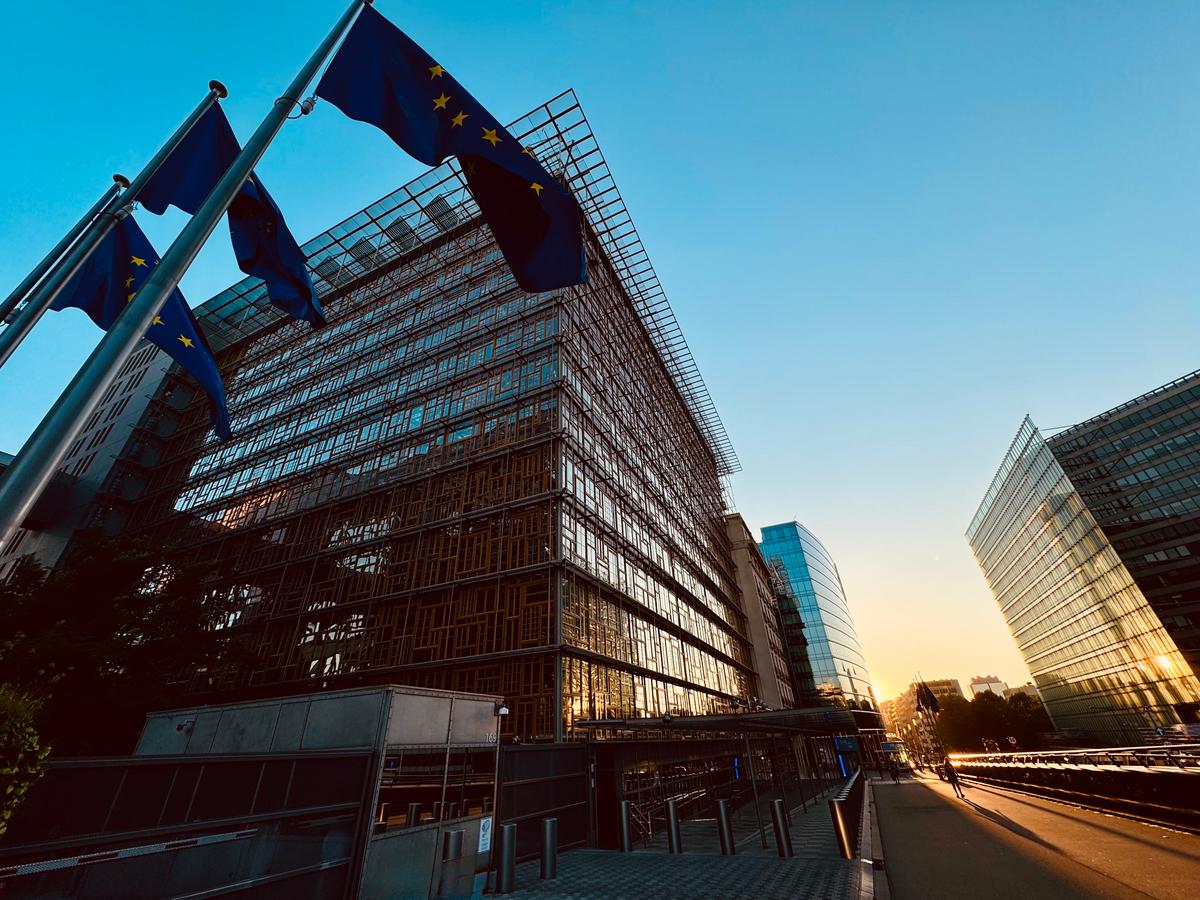
EU Declines to Suspend Israel Trade Agreement Despite International Pleas
Why It Matters
The ruling keeps the EU as Israel’s top trade partner, allowing continued economic benefits while exposing the bloc to criticism over human‑rights compliance and highlighting limits on using trade policy as a geopolitical lever.
Key Takeaways
- •EU foreign ministers rejected suspension despite Spain, Slovenia, Ireland support
- •Germany and Italy blocked motion, keeping EU‑Israel trade ties intact
- •Association Agreement grants Israel tariff‑free access to EU agricultural markets
- •Over 60 NGOs and 1 million signatures urged suspension
- •Some EU states passed legislation limiting ties with Israeli settlements
Pulse Analysis
The EU‑Israel Association Agreement, first signed in 1995, grants Israel preferential, tariff‑free entry for a range of goods, especially agricultural products, into the European single market. In 2023, bilateral trade exceeded €10 billion, making the EU Israel’s largest trading partner. The arrangement not only fuels Israeli export growth but also supports European agribusinesses seeking stable supply chains. By maintaining the pact, EU firms continue to benefit from reduced customs costs and predictable market access, reinforcing the economic interdependence that underpins broader diplomatic ties.
Human‑rights concerns have intensified since the 2023 Gaza conflict, prompting a UN expert panel to invoke Article 2 of the agreement, which obliges parties to respect democratic principles. The panel’s appeal was bolstered by a citizen‑driven petition surpassing one million signatures and an open letter signed by over 60 NGOs, including Amnesty International and Oxfam. While Spain, Slovenia and Ireland pushed for suspension, Germany and Italy’s opposition reflected fears of economic fallout and domestic political pressures. Parallel legislative moves in several EU states aim to curb business with Israeli settlements, signaling a fragmented approach to the issue.
The EU’s refusal to suspend the deal raises questions about the bloc’s credibility on human‑rights enforcement. Companies operating under the agreement must navigate heightened scrutiny from investors and advocacy groups, potentially prompting supply‑chain reassessments. For policymakers, the episode underscores the challenge of aligning trade policy with ethical standards without jeopardizing economic interests. Future negotiations may explore targeted measures—such as conditional licensing or enhanced monitoring—rather than a full suspension, offering a compromise that addresses both market stability and the EU’s commitment to international law.
EU declines to suspend Israel trade agreement despite international pleas
Comments
Want to join the conversation?
Loading comments...