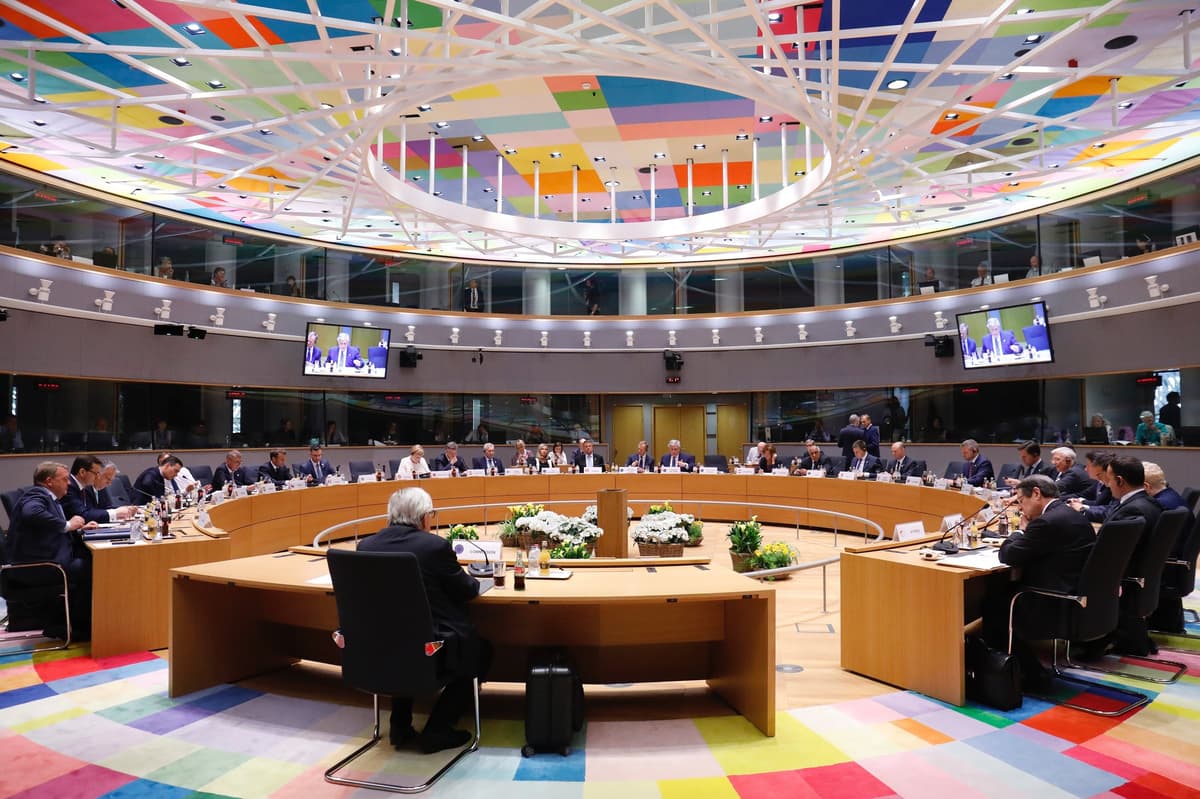
EU Ministers Split over Crisis Spending as Iran Shock Hits Energy Markets
Why It Matters
The split determines whether EU fiscal policy will exacerbate demand for fossil fuels or protect households without inflating budgets, shaping the bloc’s energy transition and inflation outlook.
Key Takeaways
- •EU finance ministers debate targeted vs untargeted energy aid.
- •Roughly $11.4 bn pledged, 80% untargeted fuel tax cuts.
- •Netherlands earmarks $1.1 bn for vulnerable households and firms.
- •Spain leads with $5.5 bn package; Germany follows with $1.7 bn.
- •IMF urges focus on income support for most exposed sectors.
Pulse Analysis
The escalation of hostilities in Iran has sent a fresh shock through global energy markets, pushing oil and gas prices to multi‑year highs. European households and industrial users, already reeling from earlier supply disruptions, face sharply higher fuel and electricity bills. In response, EU finance ministers convened in Brussels to discuss emergency relief, echoing the rapid policy moves seen after the 2022‑23 energy crisis. The urgency of the situation forces governments to balance short‑term consumer protection with longer‑term fiscal sustainability.
Member states diverge sharply on the design of that relief. 4 bn, yet about 80 % of the spend is allocated to untargeted measures such as across‑the‑board fuel‑tax cuts and VAT reductions. 7 bn packages dominated by blanket subsidies. The International Monetary Fund has been invited to advise a shift toward income‑support mechanisms that limit fiscal waste and avoid distorting fuel demand.
The policy split carries weighty implications for the EU’s fiscal framework and its climate agenda. Broad tax cuts risk stimulating demand for fossil fuels, potentially undermining the bloc’s emissions‑reduction targets and inflating inflationary pressures. Targeted aid, meanwhile, can shield the most exposed households without encouraging higher consumption, preserving room in the EU’s multi‑annual financial plan for green investments. As the Iran conflict persists, the outcome of this debate will shape the balance between immediate economic relief, fiscal discipline, and the long‑term transition to cleaner energy sources.
EU ministers split over crisis spending as Iran shock hits energy markets
Comments
Want to join the conversation?
Loading comments...