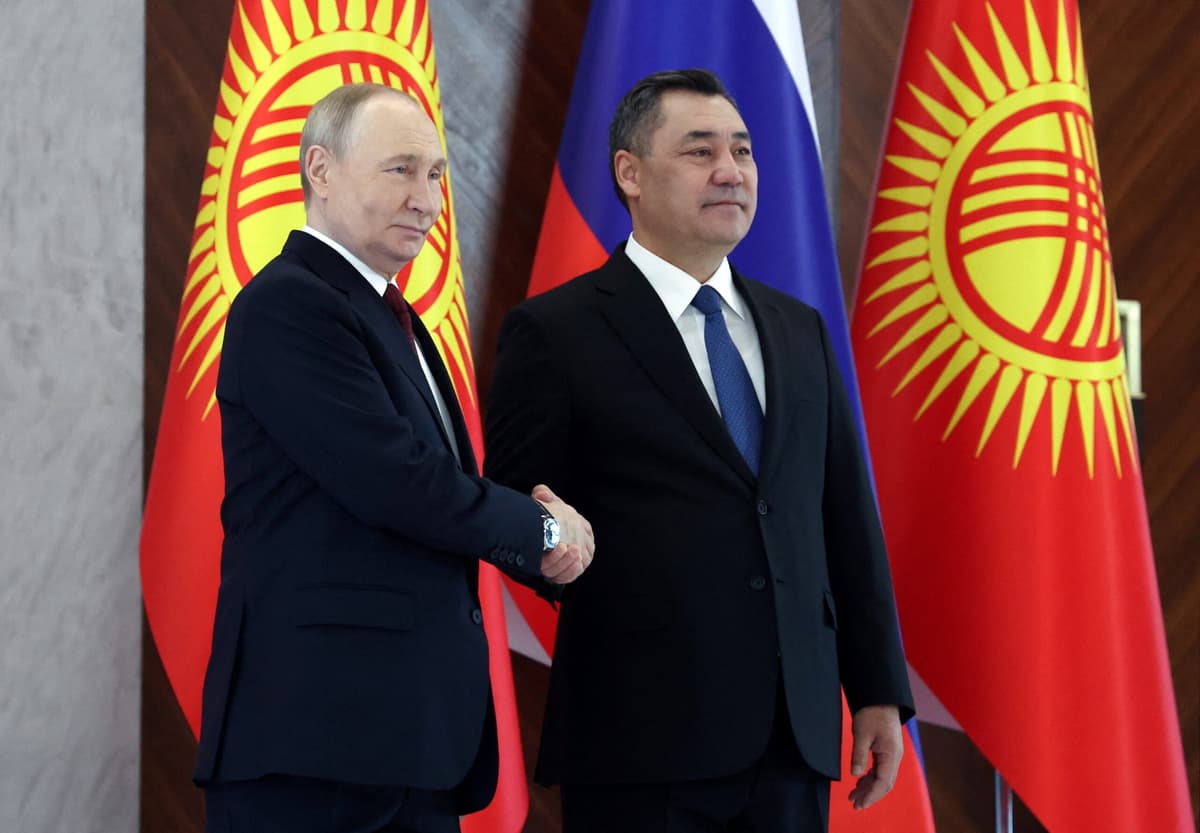
EU Targets Kyrgyzstan as Brussels Seeks to Prevent Russian Sanctions Evasion
Why It Matters
Targeting Kyrgyzstan attacks a critical conduit for sanctioned technology, potentially throttling Russia’s war‑fighting capacity and establishing a template for future third‑country sanctions.
Key Takeaways
- •EU bans CNC machines to Kyrgyzstan under anti‑circumvention tools.
- •Kyrgyz imports of EU dual‑use tech rose ~800% since 2022.
- •Re‑exports to Russia surged 1,200%, per EU data.
- •Measures follow Kyrgyz banks linked to billion‑dollar laundering probe.
- •Success could set precedent for sanctions on other third‑country hubs.
Pulse Analysis
The EU’s anti‑circumvention regime, introduced in mid‑2023, gives Brussels a legal backstop when traditional sanctions fail to stop third‑party facilitation. By designating Kyrgyzstan as a prohibited destination for specific dual‑use items—most notably computer numerical control (CNC) machines—the bloc moves beyond punitive measures aimed solely at Russian entities. This approach reflects growing frustration in Europe over the Kremlin’s ability to source critical components through intermediary nations, a loophole that has kept Western technology in the supply chain of Russian weapons systems.
Kyrgyzstan’s role as a transshipment hub has become increasingly visible. EU data show an 800% rise in imports of dual‑use goods from Europe to Bishkek since the war began, while exports from Kyrgyzstan to Russia have ballooned by 1,200%. The surge is tied to a broader pattern of illicit finance, highlighted by a recent billion‑dollar money‑laundering scandal involving Kyrgyz banks. By cutting off CNC machines and related equipment, the EU hopes to disrupt the manufacturing of precision parts used in missiles, drones, and armored vehicles, thereby raising the cost of Russia’s war effort.
If the Kyrgyz measures prove effective, they could become a blueprint for future actions against other conduit states, such as certain Central Asian or Middle‑Eastern economies suspected of similar behavior. Critics warn that enforcement will require robust customs monitoring and diplomatic pressure, but the precedent signals to all third‑country actors that facilitating sanction evasion carries tangible penalties. For businesses, the shift underscores the need for heightened compliance checks on supply‑chain partners to avoid inadvertent breaches of expanding Western export controls.
EU targets Kyrgyzstan as Brussels seeks to prevent Russian sanctions evasion
Comments
Want to join the conversation?
Loading comments...