Euro-Zone Growth Is Buckling Under Weight of War Impact
Why It Matters
Weaker growth and rising inflation threaten consumer spending and business investment, forcing the ECB and policymakers to balance tighter monetary policy with economic support. The outlook signals heightened risk for the eurozone’s recovery trajectory.
Key Takeaways
- •Eurozone GDP growth forecast cut to 0.9% for 2026
- •Inflation expected to hit fastest rate since 2023
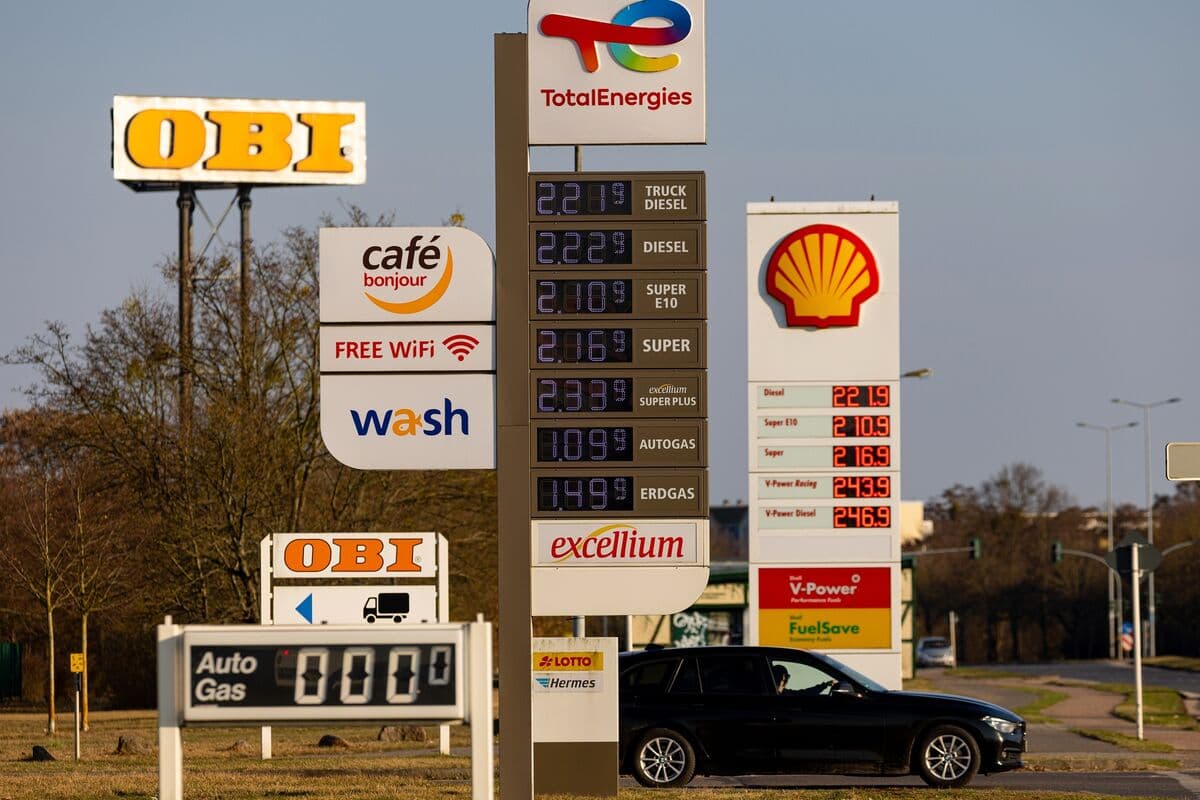
- •Iran war energy price surge drives cost pressures across region
- •2027 growth outlook lowered to 1.2%, signaling prolonged slowdown
Pulse Analysis
The European Commission’s latest economic outlook paints a stark picture for the euro area. Growth for 2026 is now projected at just 0.9%, a sharp drop from the 1.4% expansion recorded last year and well below the 1.2% consensus in November. The revision reflects the cumulative impact of soaring energy prices triggered by the ongoing Iran‑Russia conflict, which has tightened supply chains and lifted input costs for manufacturers and households alike. With inflation accelerating to its fastest pace since 2023, policymakers face a dual challenge of curbing price pressures while sustaining demand.
Higher energy bills are eroding real disposable income, prompting a slowdown in consumer spending that feeds directly into weaker services demand—a traditional engine of eurozone growth. Business investment is also under strain as firms grapple with uncertain profit margins and tighter financing conditions. The European Central Bank is likely to keep interest rates elevated longer than previously anticipated, balancing the need to anchor inflation expectations against the risk of deepening the recession. Credit markets remain resilient, but the cost of borrowing is edging upward.
Looking ahead, the Commission trimmed its 2027 growth estimate to 1.2%, signaling that the slowdown could persist into the next business cycle. Structural reforms aimed at diversifying energy sources and improving fiscal flexibility will be critical to offsetting the war‑induced shock. Meanwhile, member states may need to coordinate targeted fiscal relief, such as subsidies for vulnerable households and incentives for low‑carbon technologies, to soften the inflationary bite. The trajectory of the Iran conflict and global oil markets will remain key variables shaping the eurozone’s recovery path.
Euro-Zone Growth Is Buckling Under Weight of War Impact
Comments
Want to join the conversation?
Loading comments...