Europe Should Behave More Like China Does if It Wants to Survive This Age of Chaos
Why It Matters
Europe’s dependence on Chinese critical‑minerals and technology undermines its economic security and defence autonomy, making decisive policy action essential for strategic independence.
Key Takeaways
- •China supplies 80% of global drones, 97% of EU magnesium.
- •EU auto tariffs spurred few BYD plants, impact remains limited.
- •France calls for 30% across‑the‑board tariffs on Chinese imports.
- •Europe faces deindustrialisation as cheap Chinese goods flood markets.
- •Building critical‑mineral stockpiles essential for EU defence resilience.
Pulse Analysis
The geopolitical landscape is shifting from a rule‑based order to a chaotic environment where nations that anticipate disruption gain a decisive edge. China’s long‑term strategy—stockpiling oil, food, semiconductors and securing rare‑earth dominance—has positioned it to thrive while Europe scrambles for energy and supply‑chain solutions. This proactive stance, coupled with a tightly controlled domestic market, allows Beijing to dictate terms in sectors ranging from renewable‑energy components to advanced manufacturing, leaving European policymakers playing catch‑up.
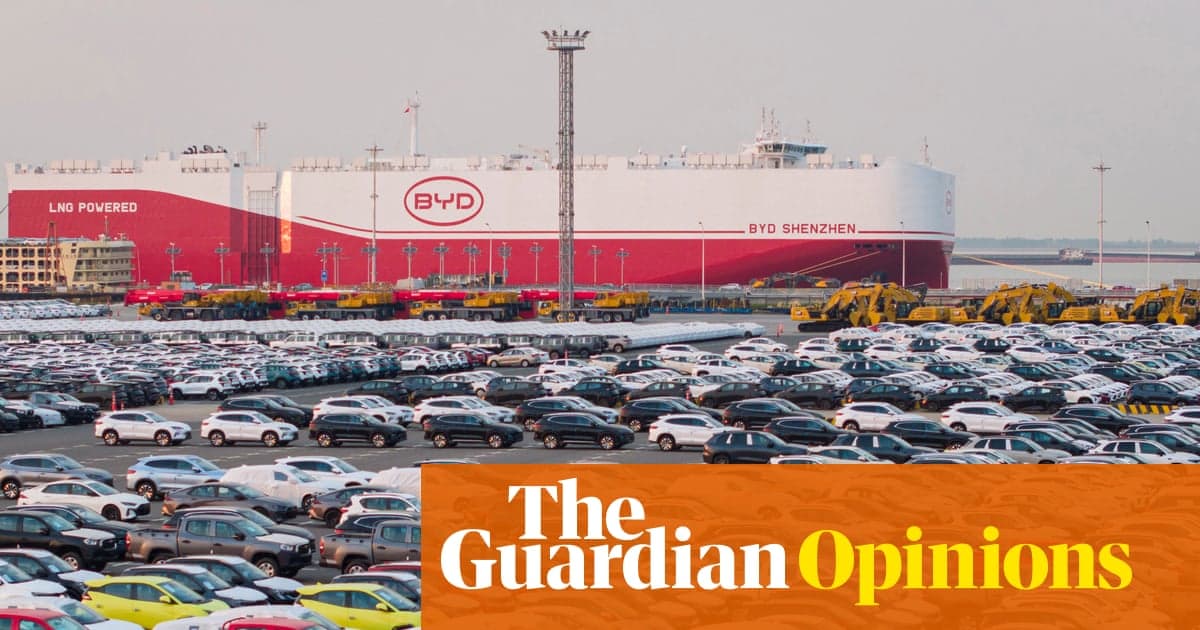
Europe’s vulnerability is starkly illustrated by its reliance on Chinese inputs: 80% of the global drone supply chain and 97% of the EU’s magnesium—critical for fighter jets and armored vehicles—originates from China. Even the green transition is at risk, as batteries, electric‑vehicle parts and solar panels are overwhelmingly produced by Chinese firms. The EU’s modest 10% auto tariff has only coaxed a handful of BYD factories, insufficient to offset the flood of cheaper Chinese products that threaten to erode the continent’s industrial base. Without decisive intervention, deindustrialisation could accelerate, undermining jobs and strategic capabilities.
Policy experts suggest a multi‑pronged response: imposing 30% across‑the‑board tariffs on Chinese goods, activating the EU’s anti‑coercion instrument, and leveraging the Digital Markets and Services Acts to curb the influence of Chinese tech giants. Simultaneously, Europe must build strategic stockpiles of critical minerals, incentivise domestic production of batteries and AI hardware, and commit public procurement to European‑made solutions. Such measures would not only rebalance trade but also fortify the EU’s defence readiness and economic sovereignty, positioning it to navigate the unpredictable currents of the "un‑order" era.
Europe should behave more like China does if it wants to survive this age of chaos
Comments
Want to join the conversation?
Loading comments...