European Strait of Hormuz Force Inches Forward
Why It Matters
Clearing the Strait of Hormuz is critical for global oil flow; the force’s success—or failure—will shape geopolitical stability and maritime security in a flashpoint region.
Key Takeaways
- •US‑Iran MoU mandates mine clearance within 30 days
- •Anglo‑French force includes carrier strike group, minesweepers, and drone mothership
- •Deployment requires Iran and Oman consent, raising sovereignty concerns
- •Potential role unclear if cease‑fire holds; enforcement mechanisms limited
- •Force could evolve into UN peace‑keeping mission if negotiations succeed
Pulse Analysis
The Strait of Hormuz remains one of the world’s most vital chokepoints, funneling roughly 20 % of global petroleum shipments. The June 17 MoU signed by President Trump in Evian represents a rare diplomatic bridge between the United States and Iran, obligating both parties to clear mines and guarantee unhindered navigation for two months. This agreement not only aims to de‑escalate the recent flare‑up but also sets the stage for a broader, multilateral security architecture that could redefine how the region manages maritime threats.
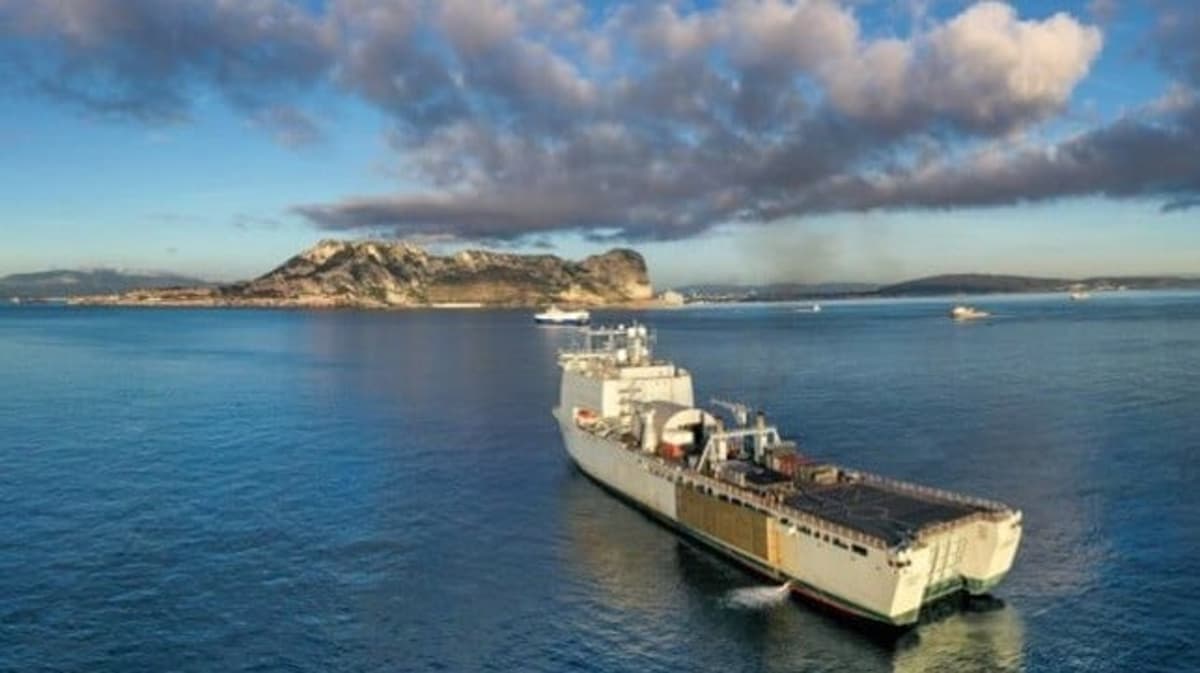
At the heart of the emerging security framework is an Anglo‑French‑led monitoring force that has already mobilized a formidable array of assets. France’s Charles de Gaulle carrier strike group, Germany’s FGS Fulda minesweeper and FGS Mosel support vessel, Britain’s HMS Dragon destroyer, and Italy’s Crotone and Rimini frigates are converging on the Gulf. Notably, the RFA Lyme Bay will serve as a mothership for autonomous mine‑clearance drones, blending traditional naval power with cutting‑edge unmanned technology. While the force promises rapid response and persistent surveillance, its operational legitimacy hinges on diplomatic clearance from Iran and Oman, whose territorial waters the strait traverses.
The political calculus is equally complex. Iran’s longstanding goal of limiting foreign military footprints clashes with the need for an impartial monitor to enforce the cease‑fire. Without explicit consent, any deployment could be deemed a violation of UNCLOS innocent‑passage rules, sparking further tension. Moreover, the MoU leaves the post‑60‑day navigation regime undefined, opening the door for a UN‑mandated peace‑keeping mission or, conversely, a swift withdrawal. Stakeholders—from oil traders to defense contractors—must watch how these diplomatic and legal hurdles resolve, as the outcome will reverberate through global supply chains and regional security dynamics.
European Strait of Hormuz Force Inches Forward
Comments
Want to join the conversation?
Loading comments...