European Trade Bodies Urge Coordinated Action to Avoid “Inflation Crisis”
Why It Matters
If Europe does not coordinate a rapid response, rising input costs could translate into higher grocery prices, disproportionately affecting vulnerable consumers and destabilizing the single market’s food security.
Key Takeaways
- •European agri‑food groups demand EU classify operators as critical.
- •Strait of Hormuz blockage spikes fertilizer, energy, and freight costs.
- •Coordinated EU response urged to prevent food inflation crisis.
- •AccelerateEU strategy cited, but not yet fully implemented.
- •Vulnerable households face rising grocery prices without swift action.
Pulse Analysis
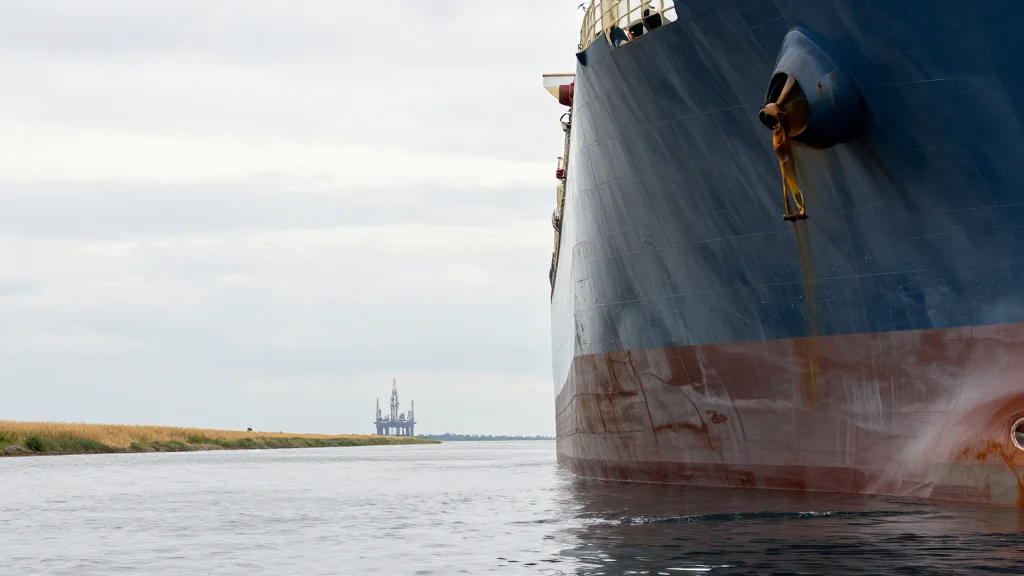
The ongoing US‑Iran cease‑fire has kept the Strait of Hormuz—one of the world’s most vital oil arteries—closed to commercial traffic. While oil prices have already shown heightened volatility, the ripple effect on agriculture is profound. Fertilizer, a petroleum‑derived input, has surged alongside freight and packaging costs, eroding profit margins for farmers and manufacturers alike. This supply‑chain shock arrives at a time when Europe is already grappling with energy price spikes, amplifying concerns over the continent’s ability to keep food prices stable.
In response, a coalition of five European trade associations, including FoodDrinkEurope and Copa‑Cogeca, issued a joint statement demanding urgent, coordinated action. Their proposal centers on designating agri‑food operators as “critical” infrastructure, granting them priority access to affordable energy and essential inputs such as nitrogen‑based fertilizers. They also call for the immediate deployment of the AccelerateEU strategy—launched earlier this month to address energy price volatility—arguing that without swift implementation, the region risks a full‑blown food inflation crisis that could strain household budgets and trigger social unrest.
The broader implication for EU policymakers is clear: balancing market integrity with targeted, temporary interventions will be essential to safeguard food security. By aligning member states around a unified framework, the EU can mitigate price spikes while avoiding distortions in the single market. Failure to act could see grocery shelves priced out of reach for the most vulnerable, pressuring governments to intervene with subsidies or price caps, which may further complicate fiscal stability. Proactive measures now could preserve both economic resilience and consumer confidence across Europe.
European trade bodies urge coordinated action to avoid “inflation crisis”
Comments
Want to join the conversation?
Loading comments...