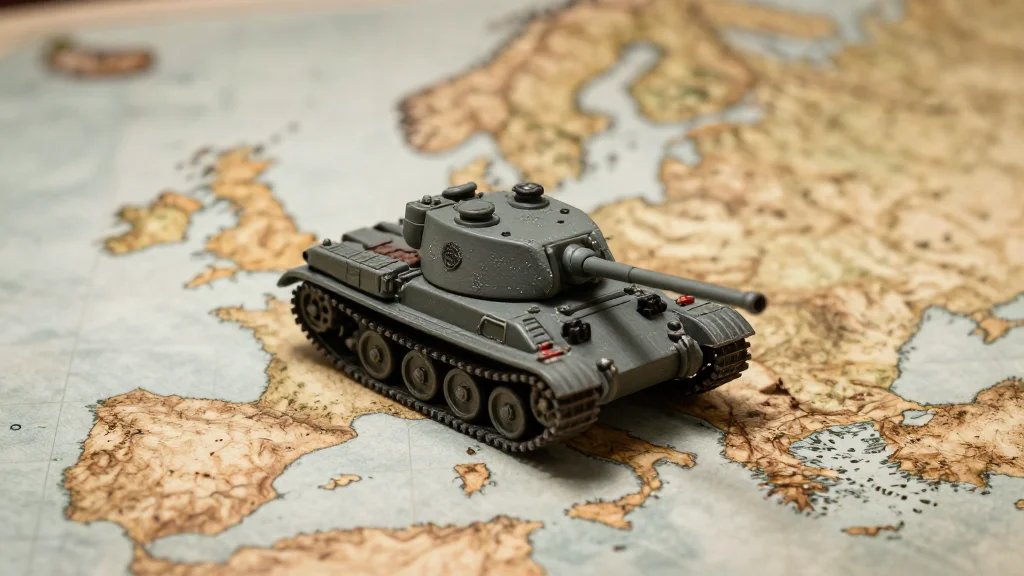
Why It Matters
Continued tension could trigger a direct NATO‑Russia clash, destabilizing the European security environment and threatening global economic stability.
Key Takeaways
- •NATO spending on defense will rise sharply.
- •Russia likely to rearm and increase destabilizing actions.
- •Cease‑fire may trigger heightened European security tensions.
- •US withdrawal unlikely due to strategic stakes.
- •Risk of direct NATO‑Russia conflict remains high.
Pulse Analysis
Europe’s security calculus has fundamentally shifted since the invasion of Ukraine. Member states are scrambling to close capability gaps, resulting in record‑high defense budgets and accelerated procurement of advanced systems. This fiscal surge reflects not only a response to immediate threats but also a strategic pivot toward a more autonomous, deterrence‑focused posture that challenges the post‑Cold War integration model that once linked Europe and Russia.
Meanwhile, Moscow is unlikely to demobilize after a cease‑fire. Intelligence assessments suggest a concerted rearmament program, coupled with intensified hybrid operations across the continent—from cyber intrusions to proxy engagements in the Balkans and the Baltic region. Such activities aim to exploit NATO’s internal debates and keep Western forces stretched, preserving Russia’s leverage without provoking an outright conventional war. The persistence of these tactics underscores the need for continuous vigilance and adaptive counter‑measures.
Policymakers must therefore craft a dual‑track approach: sustain robust collective defense while opening calibrated diplomatic channels with the Kremlin. NATO could explore confidence‑building measures, joint crisis‑management forums, and limited arms‑control dialogues to reduce misperception risks. At the same time, the United States should maintain its strategic commitment to Europe, ensuring that any pull‑back does not create a security vacuum. By balancing deterrence with engagement, the alliance can mitigate the probability of a flashpoint escalating into a continental conflagration.
Europe’s Next War
Comments
Want to join the conversation?
Loading comments...