Eurozone Industrial Production Was Sluggish Ahead of Middle East War
Why It Matters
Higher energy prices and geopolitical tension threaten the competitiveness of Europe’s manufacturing base, potentially curbing investment and slowing economic recovery across the euro area.
Key Takeaways
- •Eurozone industrial output rose 0.4% in February, still below 2025 levels
- •Germany, France, Netherlands saw output declines; Italy modestly up
- •Ireland posted a 5.7% surge, highlighting data volatility
- •Energy‑intensive sectors face rising costs amid Middle East conflict
- •Uncertainty may curb investment despite optimism in high‑tech and defence
Pulse Analysis
The eurozone’s industrial sector entered 2026 on a tentative note, with February output climbing just 0.4% from January. While the region demonstrated resilience throughout 2025, the modest gain masks a fragmented performance: Germany, France and the Netherlands recorded declines, whereas Italy managed a modest uptick and Ireland posted an outsized 5.7% increase. This uneven picture underscores the lingering effects of supply‑chain disruptions and the waning impact of earlier American front‑loading, leaving overall production below the previous year’s momentum.
Energy‑intensive industries are now confronting a dual shock. Global commodity markets have driven up electricity and gas prices, eroding profit margins for steel, chemicals and heavy manufacturing. The conflict that erupted in the Middle East in March has amplified these pressures by tightening oil supplies and heightening geopolitical risk premiums. As a result, manufacturers face higher operating costs and reduced price competitiveness, prompting many to delay capacity expansions or shift production to lower‑cost regions. The country‑specific data—declines in Germany, France and the Netherlands versus Italy’s modest gain—reflects how national energy mixes and policy buffers influence vulnerability.
Looking ahead, the heightened uncertainty could dampen capital spending across the euro area, even as policymakers and firms eye opportunities in high‑tech and defence sectors. Investment in advanced manufacturing, renewable energy and defense procurement may offset some losses, but the broader industrial base remains exposed to energy price volatility and supply‑chain shocks. Stakeholders will be watching EU policy responses, such as potential subsidies for energy‑intensive firms and strategic stockpiles, to gauge whether the region can stabilize production and sustain growth amid a turbulent global environment.
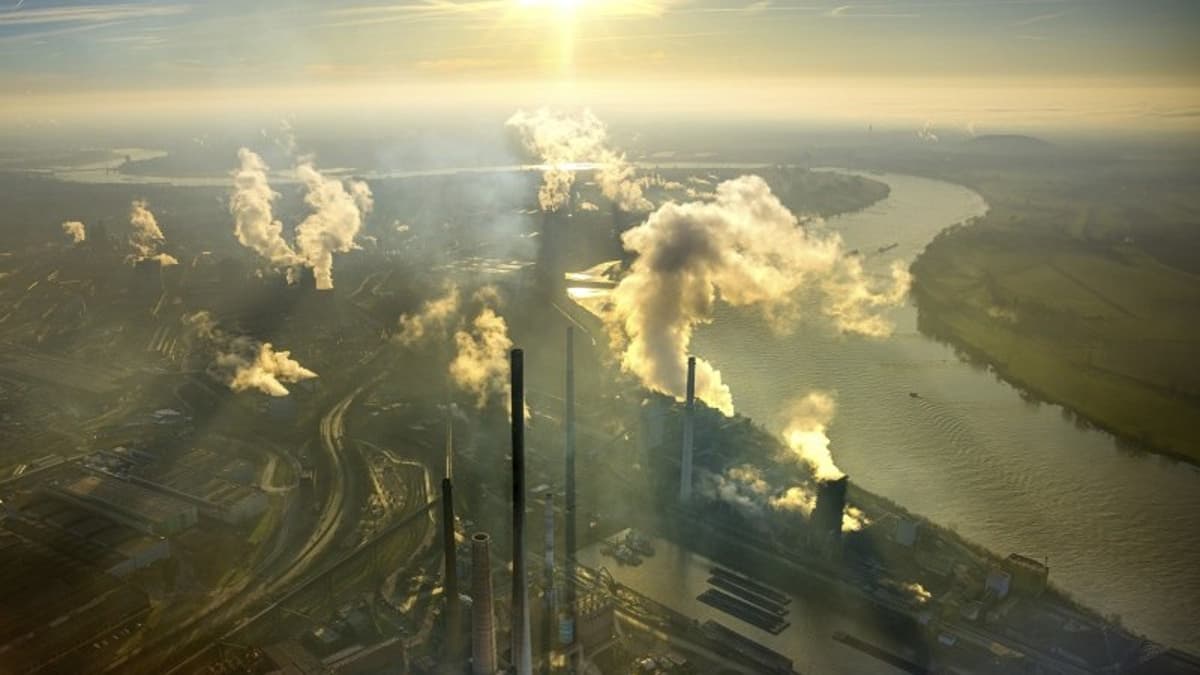
Eurozone industrial production was sluggish ahead of Middle East war
Comments
Want to join the conversation?
Loading comments...