External Risks Linger as Index Increases
Why It Matters
The data signals Thailand’s accelerating transition toward an EV‑focused automotive hub, but external volatility could curb the momentum, affecting regional supply chains and investor confidence.
Key Takeaways
- •MPI rose 0.75% YoY to 108.69 points in March.
- •Car bookings at motor show jumped 71.8% YoY, 132,951 units.
- •EV3.5 scheme spurs electric‑vehicle production and subsidies.
- •Industrial product exports grew 21.1% for 21st straight month.
- •Plastics and rubber sectors fell 10.6% due to raw‑material shortages.
Pulse Analysis
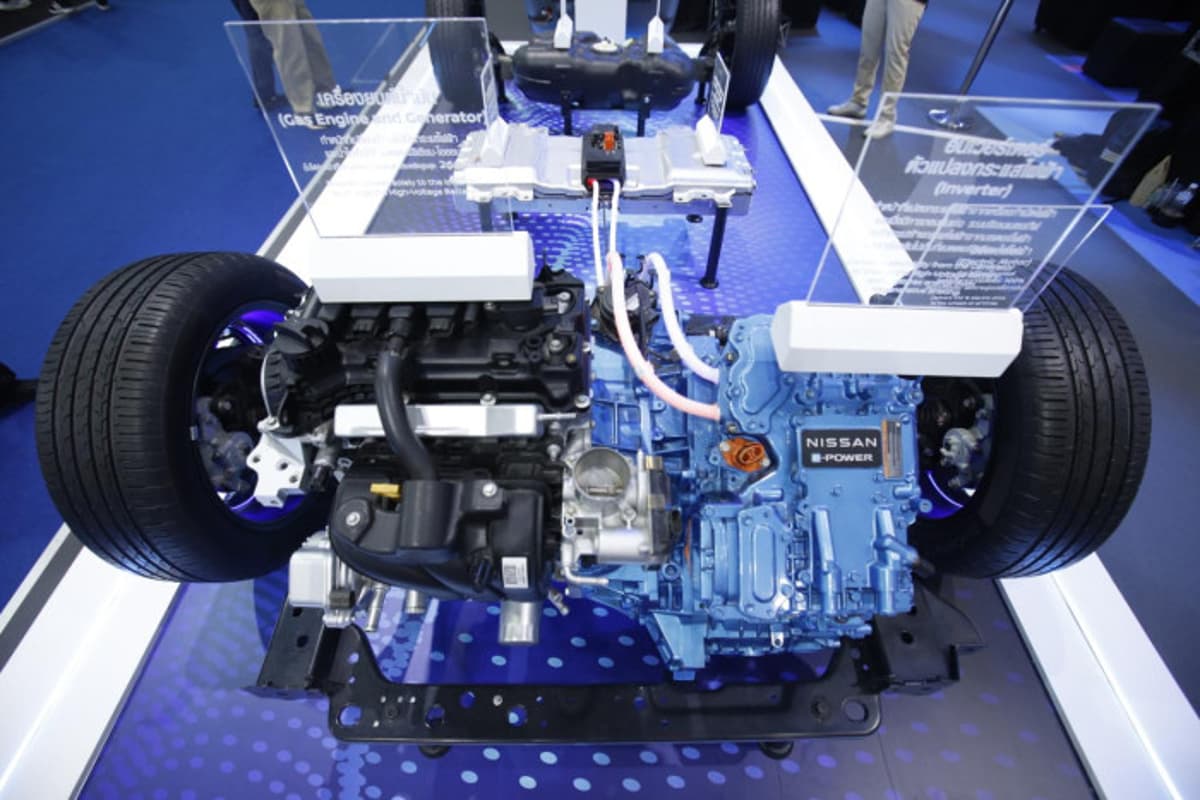
Thailand’s manufacturing sector posted a modest yet meaningful rebound in March, as the Production Index edged up to 108.69 points. The lift came largely from the automotive arena, where the Bangkok International Motor Show sparked a 71.8% year‑on‑year surge in vehicle bookings. Coupled with the government’s EV3.5 programme—offering tax breaks and subsidies for electric‑vehicle makers—the event highlighted a clear shift toward greener mobility, positioning Thailand to capture a larger share of Southeast Asia’s EV market.
Export performance reinforced the upbeat outlook, with industrial product shipments expanding 21.1% for the 21st straight month. Strong demand for steel, aided by the EU’s Carbon Border Adjustment Mechanism, and a 60.7% jump in sugar manufacturing underscored Thailand’s diversified export base. Tourism also contributed, as foreign arrivals rose 2% to 2.8 million, supporting ancillary food‑and‑beverage producers. These trends suggest a resilient external‑demand engine that can offset domestic headwinds.
However, the sector remains vulnerable to external shocks. Ongoing conflict in the Middle East is inflating global oil prices, pressuring both petroleum‑related output and consumer vehicle preferences. Meanwhile, the plastics and synthetic rubber industries contracted 10.6% after raw‑material shortages linked to the Strait of Hormuz closure. Investors and policymakers must therefore balance the optimism of an EV‑driven recovery with the reality of geopolitical volatility and supply‑chain disruptions.
External risks linger as index increases
Comments
Want to join the conversation?
Loading comments...