Fertiliser: The Forgotten History Linking the Agricultural Commodity and Empire in Wartime – by Lorenzo Feltrin (The Conversation – May 21, 2026)
Key Takeaways
- •Fertiliser trade historically fueled colonial expansion and military logistics.
- •Early 20th‑century wars used nitrogen compounds as war material.
- •Today, Strait of Hormuz blockage spikes global fertiliser prices.
- •Higher fertiliser costs translate into rising food prices worldwide.
Pulse Analysis
The story of fertiliser stretches back to the age of empire, when European powers secured overseas territories not only for raw materials but also for the nitrogen‑rich minerals essential to boost crop yields. By monopolising guano deposits and later synthetic ammonia, colonial administrations turned fertiliser into a lever of economic control, financing armies and shaping trade routes that mirrored the geopolitical map of the early 1900s. This historical backdrop explains why the commodity has always been more than a farm input; it is a lever of state power.
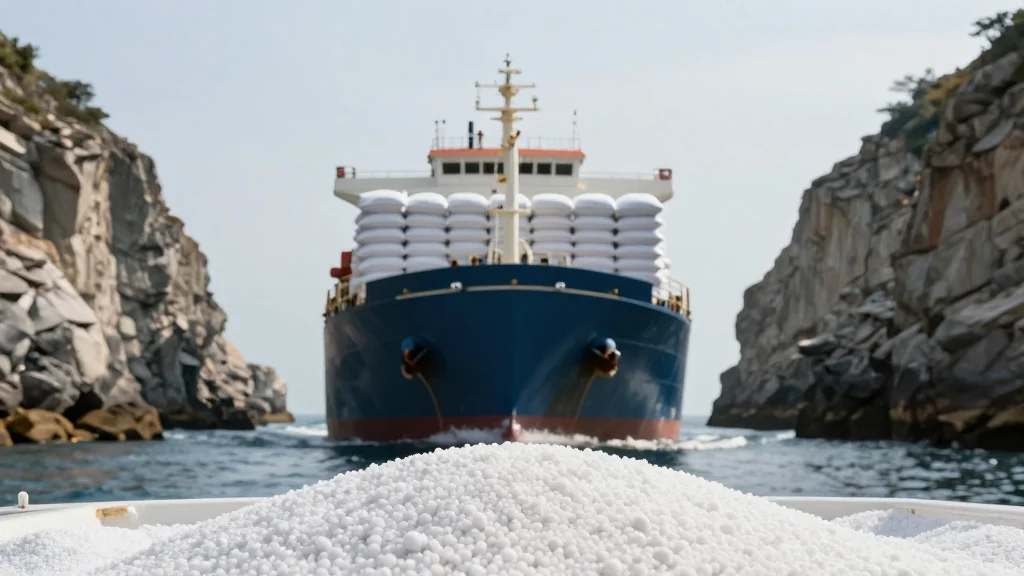
In the contemporary arena, the US‑Israel campaign against Iran has turned the Strait of Hormuz into a flashpoint for fertiliser logistics. The narrow waterway channels roughly a third of the world’s bulk fertiliser shipments, along with critical feedstocks such as natural gas, ammonia and sulphur. When naval tensions flare, carriers reroute or halt, driving freight rates up and compressing supply. The immediate effect is a steep rise in fertiliser prices, which quickly filters into higher production costs for staple crops like wheat, corn and rice, feeding inflationary pressure into global food markets.
The ripple effects extend beyond grocery aisles. Policymakers in food‑importing nations must now factor fertiliser security into broader strategic planning, while investors watch commodity futures for volatility spikes. Nations may accelerate domestic production of nitrogen compounds or diversify supply chains to mitigate geopolitical risk. Ultimately, understanding fertiliser’s dual role—as both agricultural catalyst and strategic asset—helps stakeholders anticipate price shocks and craft resilient food‑security strategies.
Fertiliser: the forgotten history linking the agricultural commodity and empire in wartime – by Lorenzo Feltrin (The Conversation – May 21, 2026)
Comments
Want to join the conversation?