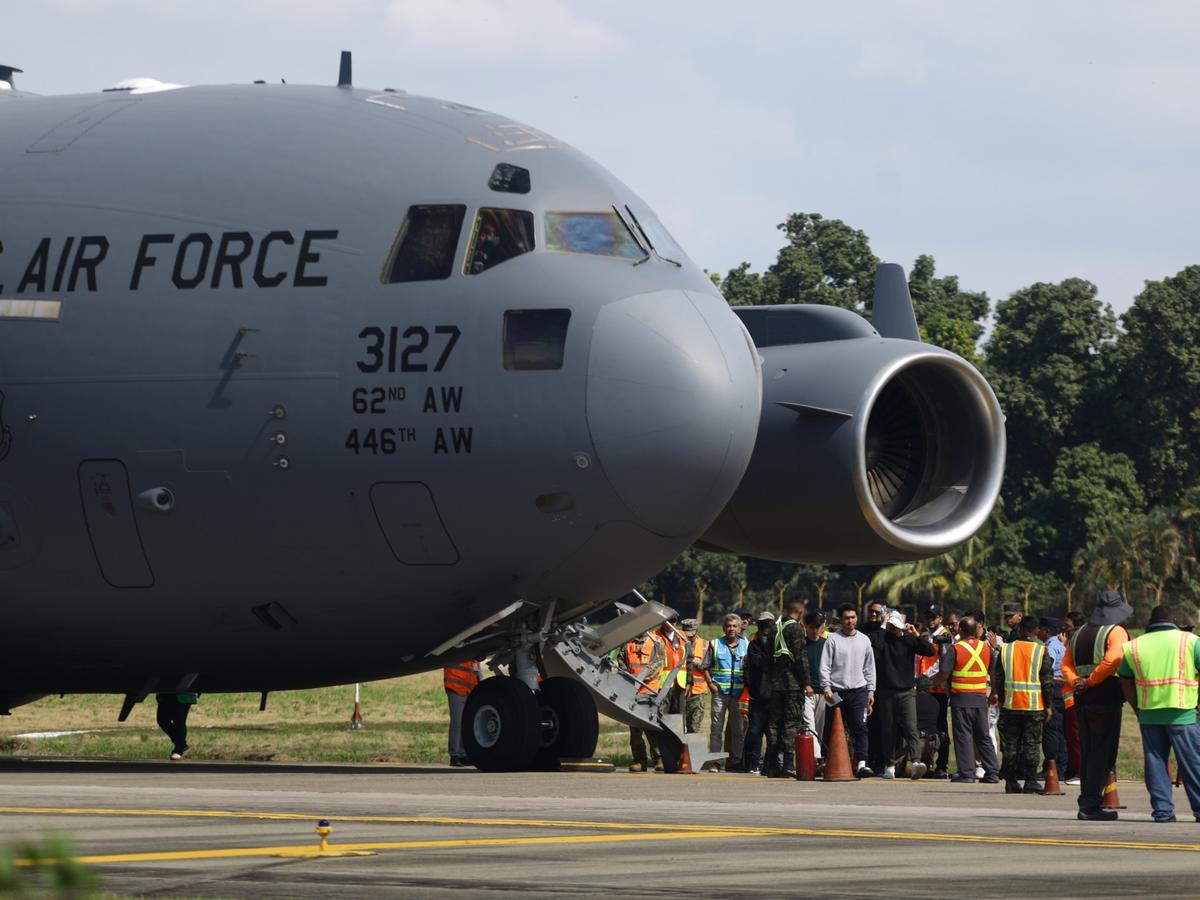
Fifteen South American People Deported From the US Arrive in DR Congo
Why It Matters
The move shifts U.S. immigration enforcement to a new region, raising legal and humanitarian questions about placing migrants in countries unrelated to their origin. It also signals Washington’s willingness to finance third‑country solutions, potentially reshaping global deportation practices.
Key Takeaways
- •First US deportees sent to DRC under new bilateral agreement
- •Fifteen Latin American nationals, including seven women, arrived in Kinshasa
- •Washington will fund temporary housing for deportees in DRC
- •U.S. has negotiated over 40 third‑country deportation deals, sparking rights concerns
Pulse Analysis
The United States has accelerated its third‑country deportation strategy, a policy first expanded under the Trump administration that allocated roughly $40 million to relocate about 300 migrants to nations outside the Americas. By striking bilateral deals and offering lump‑sum payments ranging from $4.7 million to $7.5 million, Washington aims to offload the logistical and legal burdens of removal proceedings. The latest agreement with the Democratic Republic of Congo (DRC) adds a Central African dimension to a network that already includes Ghana, Rwanda, South Sudan and Uganda, underscoring a shift toward cost‑sharing and diplomatic leverage.
For the DRC, accepting the first fifteen deportees—primarily Peruvians and Ecuadorians—represents both a humanitarian challenge and a diplomatic opportunity. Kinshasa has readied temporary housing near the capital, funded by the United States, while the International Organization for Migration stands ready to assess needs and potentially facilitate voluntary returns. Although the migrants are expected to stay only briefly, the influx tests the DRC’s capacity to provide basic services and highlights the role of multilateral agencies in managing ad‑hoc migration flows that are not tied to traditional refugee or asylum frameworks.
Critics argue that sending individuals to a country with no cultural or linguistic ties raises serious human‑rights concerns, especially when legal protections in U.S. courts have previously blocked repatriation to home nations. The expanding roster of third‑country agreements—now exceeding 40—could set a precedent for other nations to outsource deportation responsibilities, potentially eroding international norms around non‑refoulement. As the U.S. continues to finance these arrangements, policymakers and advocacy groups will watch closely to see whether cost savings outweigh the ethical and legal ramifications of such distant relocations.
Fifteen South American people deported from the US arrive in DR Congo
Comments
Want to join the conversation?
Loading comments...